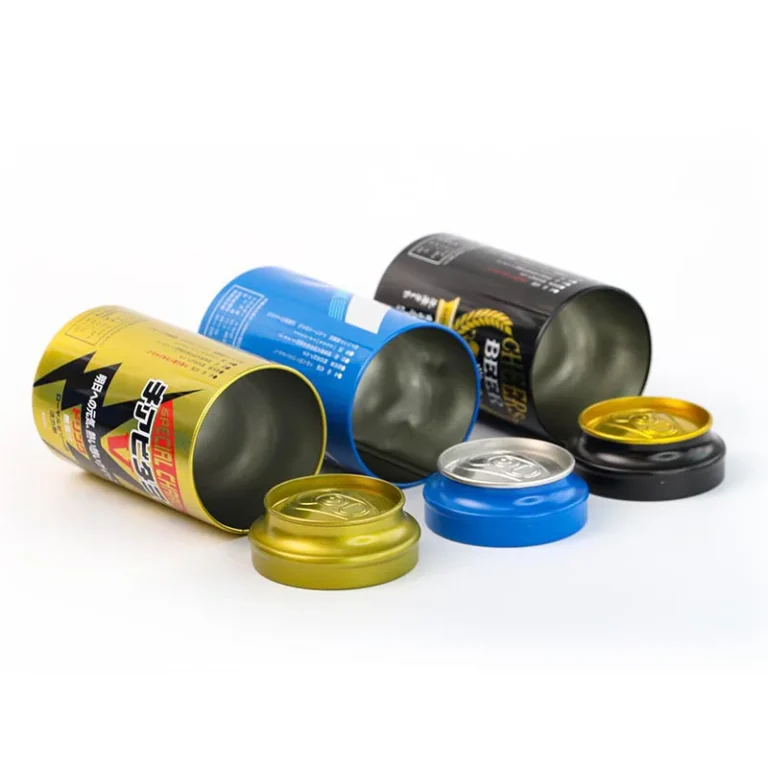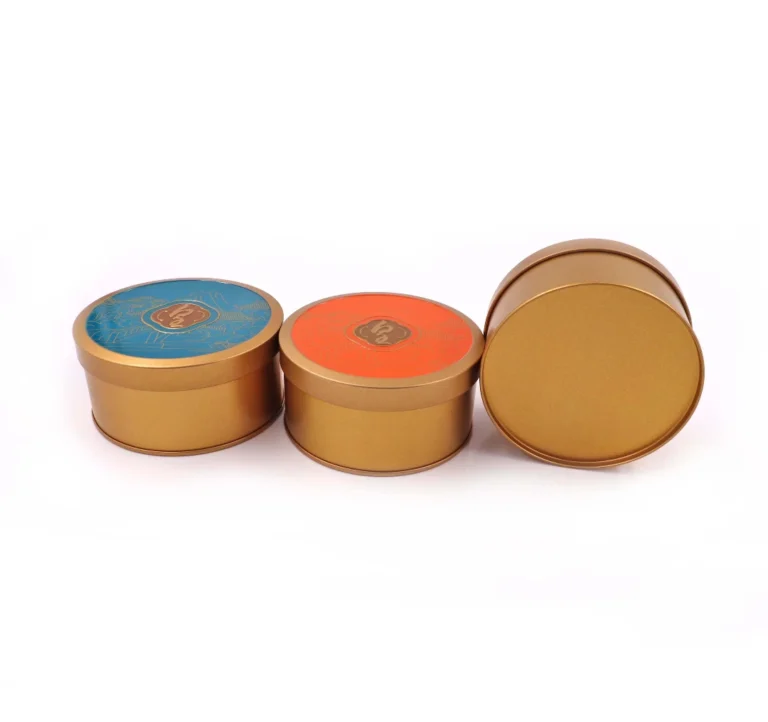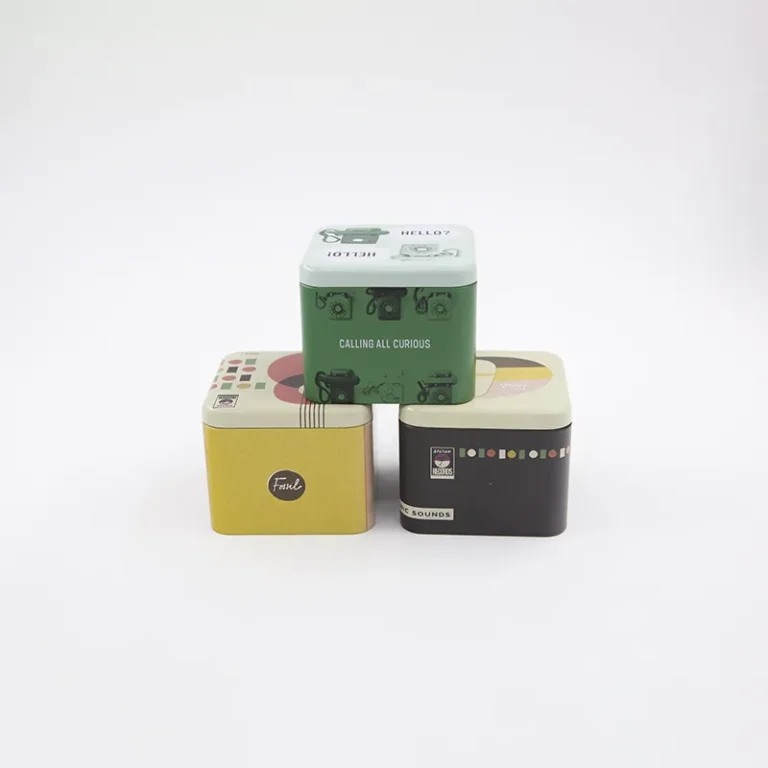

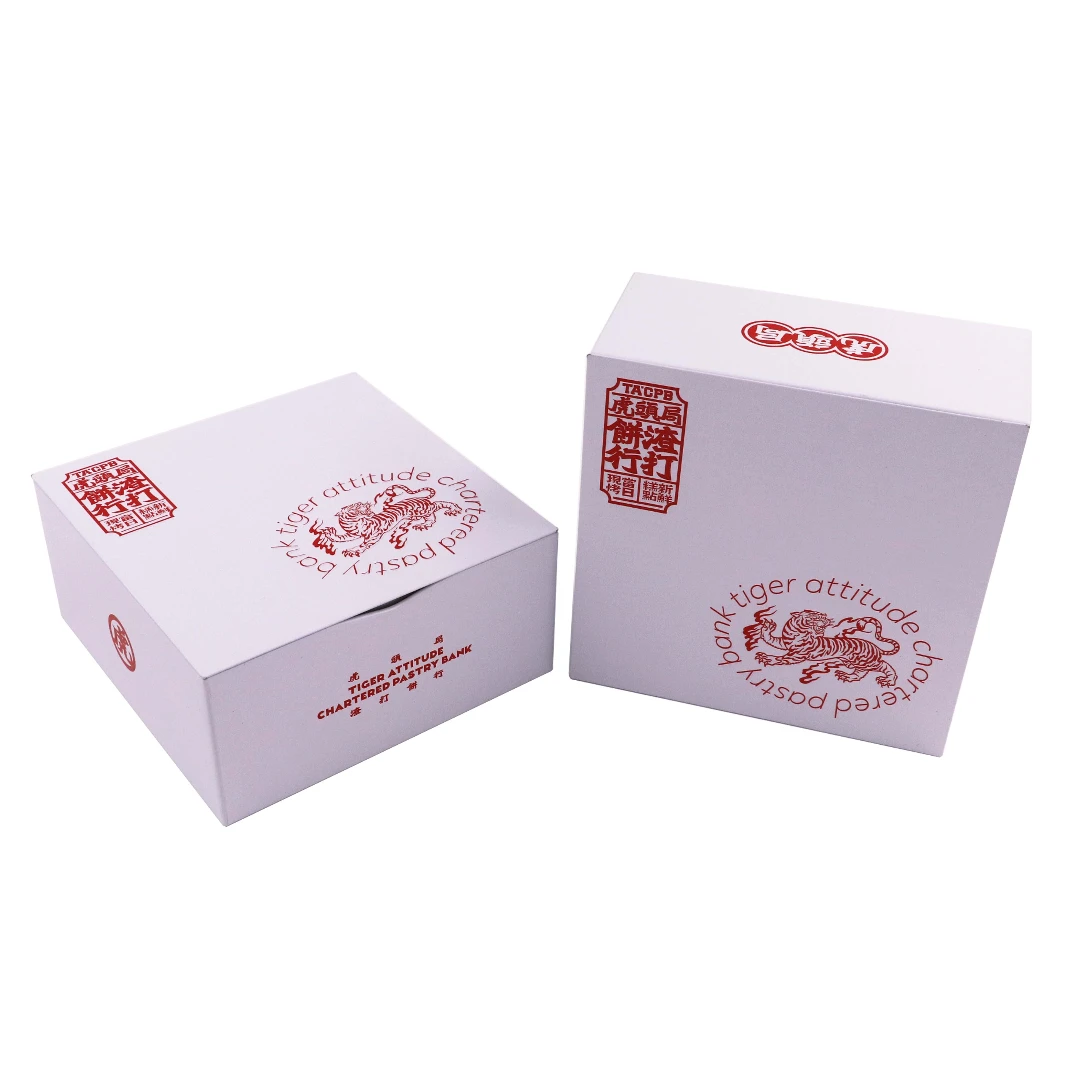

Sourcing a Custom Tin Box from China can feel risky if you don’t know what “good” looks like in metal packaging. The good news is that once you understand the key decisions—material, structure, coating, printing, compliance, and QC—you can consistently buy high-quality custom tin boxes with predictable lead times and stable quality.
Below is a practical, step-by-step sourcing guide used by experienced buyers, written in plain English and structured by chapters.
Table of Contents
1) Why China Is a Strong Place to Source Custom Tin Boxes

1.1 Mature supply chain for tinplate packaging
China has a dense supplier ecosystem for tinplate, inks, coatings, molds, stamping, and assembly. That matters because a Custom Tin Box is not “one process”—it’s a system where raw material, tooling precision, printing control, and assembly consistency must all work together.
1.2 You can buy “cheap” or “high-quality”—the result depends on your sourcing method
Some buyers get dented boxes, color shifts, sharp edges, or unstable hinges because they skip critical checkpoints. If you control specs, sampling, and inspections, China can deliver excellent and repeatable quality at scale.
1.3 Quality systems are common—but you must verify them
Many factories claim quality management, yet real performance is proven by controlled processes, records, and corrective actions. If you want structured supplier selection, it helps to ask how they run a quality management system aligned with recognized frameworks like ISO 9001 (ISO 9001:2015 overview). ISO
2) Define Your Custom Tin Box Specifications Before You Contact Suppliers
2.1 Start with application and positioning
A Custom Tin Box for premium chocolate needs different priorities than one for industrial parts. Define whether you care most about luxury feel, food safety, child safety, corrosion resistance, display impact, or cost efficiency.
2.2 Confirm structure details (this is where most sourcing mistakes happen)
Do not only say “a tin box with a lid.” Specify the structure clearly, including the lid type, closure method, and functional requirements.
- Hinged lid vs slip lid vs telescopic lid. Each style affects tooling cost, fit tolerance, and assembly time. Each style also changes how likely the box is to deform during shipping.
- Handle, latch, window, inner tray, sponge insert, or divider. These add parts and operations that must be reflected in the QC plan and packaging method.
2.3 Lock the critical dimensions and tolerances
Provide internal and external dimensions, wall height, corner radius style, and acceptable tolerance range. Without tolerances, suppliers may optimize for speed or cost, and your lids may become too tight or too loose across batches.
3) Find the Right Supplier Type: Factory vs Trading Company
3.1 What to look for in a real Custom Tin Box factory
A real factory should be able to show stamping lines, mold workshop capability (or stable mold partners), printing/coating control, assembly lines, and QC stations. They should also know how to prevent common tin packaging issues such as scratching, color offset, oil stains, and edge burrs.
3.2 When a trader can still be useful
A trading company can be helpful if you need multi-category sourcing or very small MOQs across several factories. However, for long-term Custom Tin Box programs, direct factory relationships usually give better engineering communication, faster corrective actions, and clearer accountability.
3.3 How to verify quickly (without flying to China)
Ask for a short factory video that shows: raw material storage → stamping → deburring/edge control → printing/coating → assembly → final QC → packing. Then ask for a few photos of inspection records and packaging drop-test notes, not only the “nice” showroom images.
4) Vet Suppliers Like a Pro: Proof, Not Promises

4.1 Certifications that actually matter in packaging
For many buyers, the best sign is not a single certificate but a consistent system. ISO-based quality programs can help, but you should also look for packaging-specific and social compliance standards depending on your market.
- ISO 9001 (quality management). Ask how they control nonconforming product and how they run corrective actions, not only whether they “have the certificate.” (ISO QMS guidance) ISO
- BRCGS Packaging Materials. If you supply brands that require packaging safety and process control, BRCGS Packaging Materials is widely recognized in packaging supply chains. (BRCGS Packaging Materials standard) brcgs.com
4.2 Social compliance and brand requirements
If your customer or retailer requires ethical audits, ask early so you don’t redesign your supplier plan later. Many global buyers reference SMETA audits for responsible sourcing and supply chain transparency. (Sedex SMETA overview) Sedex
4.3 Track record checks that reveal real capability
Ask for examples that match your complexity: embossed logo + tight lid fit + special finish + insert + protective packaging. A factory that mainly makes simple round tins may struggle with complex hinged boxes or high-gloss cosmetic finishes.
5) Materials & Safety Compliance: What “High-Quality” Means for Tin Boxes
5.1 Tinplate basics (and why it matters)
Most Custom Tin Box packaging uses tinplate, which is steel coated with tin to improve corrosion resistance and appearance. This material behavior affects dent resistance, edge forming, and how stable your lid fit stays during mass production. (Tinplate definition example) jfe-steel.co.jp
5.2 Food-contact rules: don’t guess—confirm your target market
If the tin box will contact food directly or indirectly, you need to define which regulations apply based on destination markets and usage conditions. In the EU, a key framework is Regulation (EC) No 1935/2004 for food contact materials. (EU text on EUR-Lex) EUR-Lex
In the US, FDA provides guidance and resources related to food packaging and food contact substances. (FDA: Packaging & Food Contact Substances) U.S. Food and Drug Administration
5.3 GMP matters as much as materials
Even if your materials are “safe,” the way they are processed matters. In the EU, Regulation (EC) No 2023/2006 addresses good manufacturing practice for materials intended to come into contact with food. (EU GMP regulation on EUR-Lex) EUR-Lex
5.4 Coatings, inks, and “restricted substances” requests
Many brands now require restricted substances control (for inks, coatings, adhesives, and surface treatments). For chemical compliance in Europe, buyers often reference REACH expectations and supplier declarations. (ECHA: Understanding REACH) ECHA
If your tin box is for electronics accessories or bundled with EEE products, some customers also ask about RoHS alignment for restricted substances in EEE-related contexts. (European Commission: RoHS directive topic page) Environment
6) Tooling, Sampling, and Approval: Lock Quality Before Mass Production
6.1 Treat sampling as a controlled project, not a “quick look”
A high-quality Custom Tin Box depends heavily on tooling accuracy and process stability. Your sampling should include structure verification, finish confirmation, print color check, and packaging test—otherwise you may approve a sample that cannot be repeated at scale.
6.2 Recommended sample stages (and what each one proves)
- White sample (structure-only). This checks size, lid fit, hinge function, and user experience without print noise. It also reveals whether the design will cause edge burr risks or unstable closures.
- Color/print sample. This validates artwork placement, color matching, varnish feel, and surface defect visibility. It also confirms that embossing/debossing and foil stamping align correctly with print layers.
- Pre-production sample (golden sample). This should be made with production tooling and production process conditions. It becomes your reference for inspections and acceptance criteria.
6.3 Common failure points you should force the supplier to prove
Ask the supplier to demonstrate how they control: lid gap consistency, hinge alignment, edge smoothness, scratch resistance during packing, and print color drift across batches. These are exactly the problems that create returns and brand damage.
7) Build a Quality Control Plan That Prevents “Surprise Quality”
7.1 Agree on measurable acceptance standards
Define what “acceptable” means in measurable terms: AQL level (if you use it), critical/major/minor defects, and what counts as a reject. A high-end Custom Tin Box usually needs stricter cosmetic standards than industrial tins, especially for high-gloss finishes.
7.2 What to inspect (beyond dimensions)
- Appearance defects. Scratches, dust points, color inconsistency, dents, oil stains, and coating orange peel must be clearly defined with photos. Your supplier should know how to separate “normal metal texture” from defects that affect branding.
- Functional tests. Hinges should open smoothly, latches should close properly, and lids should not pop open after light vibration. If inserts exist, confirm fit, odor, and material stability.
7.3 Testing that premium buyers often request
Depending on your market and product type, you may need coating adhesion tests, corrosion resistance checks, odor testing for food-related packaging, and migration or heavy metal testing for kids’ packaging. For children’s products in the US, lead limits in coatings and materials are a frequent compliance focus. (CPSC: Total lead content and coating limits) U.S. Consumer Product Safety Commission
8) Pricing, MOQs, and Lead Times: How to Negotiate Without Killing Quality
8.1 Understand what drives the true cost
A Custom Tin Box price is driven by tooling complexity, material thickness/temper, printing complexity, finishing steps, manual assembly time, and packaging requirements. If you push price down without controlling specs, quality usually drops first in hidden ways: thinner material, weaker packing, less inspection, or shortcuts in finishing.
8.2 Better negotiation tactics than “cheaper please”
Negotiate by simplifying what doesn’t affect your brand: fewer colors, fewer finishing steps, or more efficient box dimensions for container loading. Also ask for cost tiers tied to annual volume, because stable forecasting improves procurement cost more safely than forcing unrealistic unit prices.
8.3 Plan realistic lead times
High-quality tins often require time for mold development, sampling iterations, print approvals, and stable mass production scheduling. If you need fast turnaround, discuss this early and choose structures that are less sensitive to fit variation.
9) Shipping, Incoterms, and Import Logistics: Avoid Hidden Costs
9.1 Incoterms must be written clearly in every order
Confusion about shipping responsibilities creates cost surprises and delayed deliveries. Use Incoterms correctly and align them with your preferred shipping method and customs capability. (ICC: Incoterms® 2020) ICC – International Chamber of Commerce
9.2 Packaging design is part of product quality
Tin boxes dent if carton strength is wrong, palletizing is weak, or there is no inner protection. Your supplier should propose packing methods (inner bag, paper wrap, dividers, corner protection) based on finish sensitivity and shipping distance.
9.3 Ask for shipping-friendly engineering early
If your box has a high lid or thin walls, ask the factory to recommend structural reinforcements or carton/pallet upgrades. A premium Custom Tin Box that arrives dented is not “premium,” no matter how perfect it looked at the factory.
10) Protect Your IP, Artwork, and Tooling Ownership
10.1 Use NDAs, but also use practical process controls
An NDA helps, but real protection comes from controlling who has the final artwork files, how molds are labeled, and whether tooling is exclusive. You should also require suppliers to avoid showing your design in marketing without written permission.
10.2 Clarify tooling ownership in writing
If you pay for tooling, clarify whether it is “customer-owned,” how it is stored, and what happens if you switch factories. Your Custom Tin Box mold is a core asset, and unclear ownership causes disputes later.
10.3 Separate brand assets from production files when possible
Provide print-ready files with locked layers and clear version control. Also request color references and signed approvals so that future reorders match the same standard.
11) A Practical RFQ Checklist for Custom Tin Boxes from China
11.1 What to include in your RFQ (use this to get comparable quotes)
- Box structure and dimensions. Provide drawings or references, and specify internal/external sizes with tolerance expectations. Also clarify whether lid fit should be tight, normal, or easy-open for end users.
- Material and finish requirements. State tinplate preference, thickness range if you have one, and finishing process (matte varnish, gloss varnish, emboss, deboss, foil, texture). Also define scratch sensitivity expectations, because finish choice changes packing needs.
- Compliance target market. Tell suppliers where you will sell and whether the tin is food-contact, cosmetic packaging, kids packaging, or industrial. If EU or US food-contact is involved, ask what declarations and testing support they can provide (EU 1935/2004, EU GMP 2023/2006, FDA FCS guidance). EUR-Lex+2EUR-Lex+2
- QC and inspection plan. Request their internal QC flow plus your required final inspection method. Ask them to propose defect standards with photo examples so you can align expectations early.
11.2 What to ask during supplier evaluation calls
Ask how they prevent scratches and dents in mass production, and ask what actions they take when defects exceed limits. Also ask who controls print color approvals and what they do to prevent batch-to-batch color drift.
12) Why Work with Mr. Tin Box for Your Custom Tin Box Program
12.1 End-to-end capability reduces risk
A reliable Custom Tin Box supplier should manage structure engineering, mold development, printing, finishing, assembly, QC, and export packing as one controlled system. When these steps are fragmented, defects multiply and lead times become unpredictable.
12.2 Buyer-friendly communication and documentation
High-quality sourcing depends on clear drawings, clear samples, clear approvals, and consistent inspection records. When your supplier can translate your brand requirements into production controls, you get fewer surprises and better reorder stability.
12.3 Faster scaling once the first project is controlled
Once tooling is stable and quality standards are defined, scaling becomes easy: new sizes, seasonal artwork, limited editions, and multi-SKU programs. That’s how brands turn a single Custom Tin Box into a repeatable packaging system.
Closing: Source with Confidence, Not Luck
If you treat sourcing like a controlled process—specs → supplier vetting → sampling → compliance → QC → logistics—you can reliably source high-quality Custom Tin Boxes from China and protect your brand reputation. The key is to set standards early, verify capability with proof, and lock quality before mass production.
If you want, I can continue by turning this guide into a ready-to-send supplier RFQ template (email format) and a QC defect photo checklist specifically for Custom Tin Box projects.
FAQ
Why is China a good place to get custom tin boxes?
China has many factories and suppliers that make tin boxes, which means you can find the right materials and quality at a good price. They can supply high-quality boxes if you know how to choose the right supplier and check their work properly. China also has a strong system for making sure they keep improving their processes.
What should I know before I contact suppliers?
Before you reach out to suppliers, it’s important to know exactly what kind of tin box you want. This includes its size, shape, and any special features like hinges or latches. The clearer you are about what you need, the easier it will be for suppliers to provide the right product.
Should I choose a factory or a trading company?
When looking for tin boxes, going direct to a factory often works best for long-term needs because you get better communication and quality control. However, if you need products from different categories or have a smaller order, a trading company can help by connecting you with multiple suppliers.
How can I check if a supplier is good?
You can ask suppliers for videos that show their factory processes or for proof of quality control. Look for certifications like ISO 9001, which shows they follow quality standards. It’s important to confirm that they can make the specific customizations you need.
What materials should I look for in a tin box?
Most custom tin boxes are made from tinplate, which is strong and helps protect the contents. If the box will hold food, make sure it meets safety rules for food contact. This is regulated differently depending on where you sell your products.
How do I ensure quality before mass production?
To avoid problems later, request samples of your tin box before the main order. These samples should match exactly what you want, checking for fit and print quality. This step is key to making sure the mass-produced tin boxes will be up to your standards.
What are common issues I should test for?
Before your tin boxes are mass-produced, ensure that the hinges work well, the boxes don’t have scratches, and colors match your expectations. Testing these details helps prevent problems that could lead to returns or damage to your brand.
How can I negotiate prices without losing quality?
When negotiating, focus on simpler designs that don’t affect quality instead of just asking for lower prices. Consider discussing volume discounts for larger orders because suppliers can offer better prices for predictable amounts of work.
What should I include in my inquiry for vendors?
When asking suppliers for quotes, include specific details about the box sizes and shapes, the type of materials you want, and any safety compliance needs. Also, make sure to indicate what type of quality checks you expect.
Why should I choose Mr. Tin Box as my supplier?
Mr. Tin Box offers a complete solution from design to delivery, ensuring each step is controlled carefully. Their clear communication and organized processes help prevent surprises, making it easier to manage orders and quality.