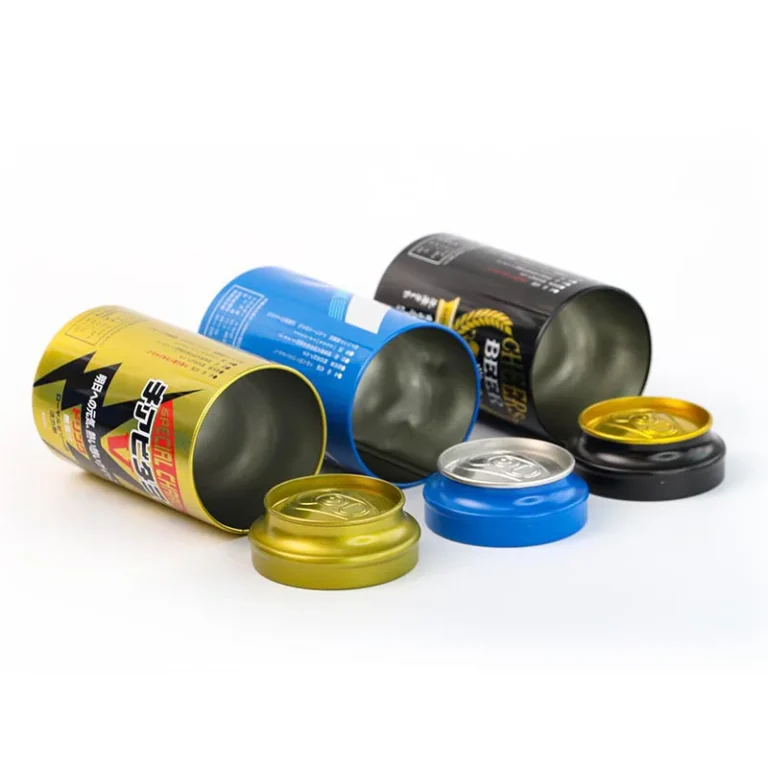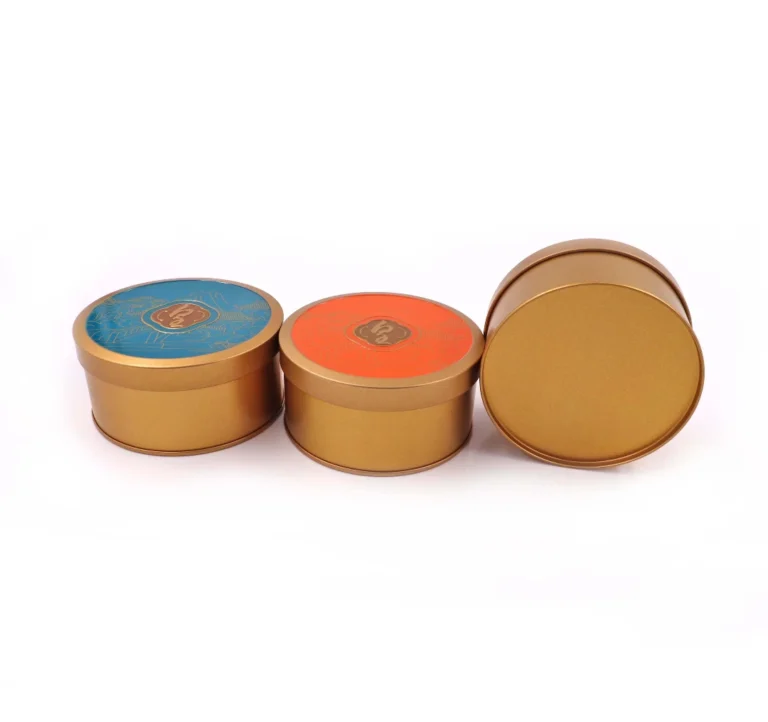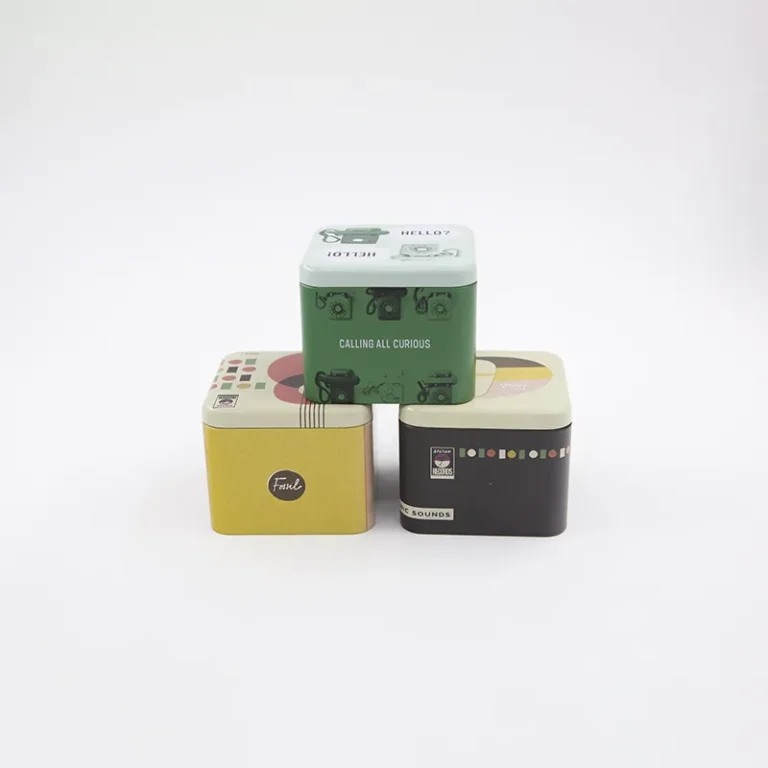

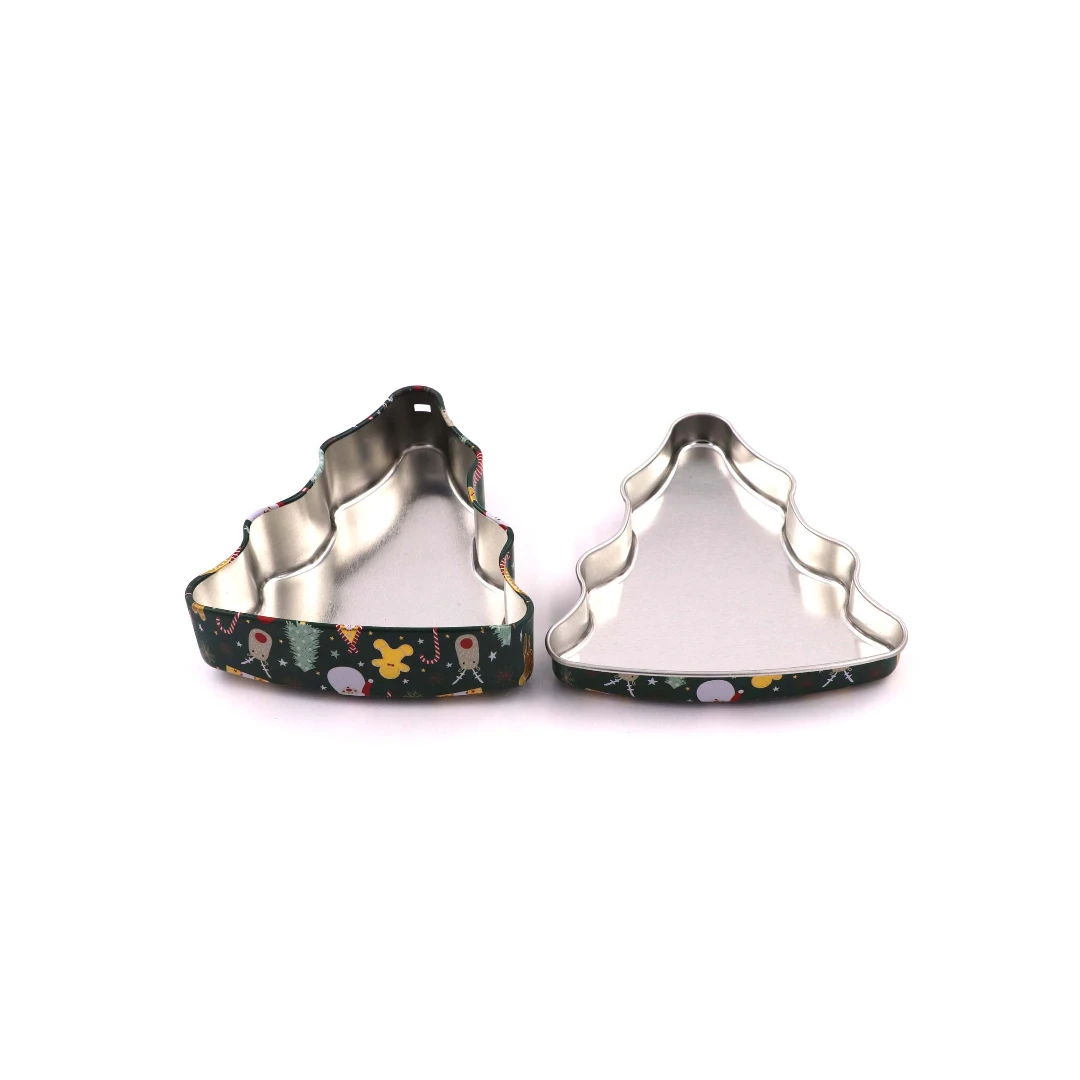

Food packaging has one job that matters more than any other: protect what’s inside until the moment your customer enjoys it. A Metal Tin Box with Lid is a simple idea that delivers big results—strong physical protection, better freshness control after opening, and a premium look that feels “gift-worthy” on the shelf and in e-commerce shipments. When you match the right tin material, food-safe coating, and lid structure to your product, you get packaging that builds trust and helps your brand stand out.
At MrTinBox, we design and manufacture custom Metal Tin Box solutions for global food brands—from tea and spices to candy, biscuits, and functional powders. This guide explains how to choose a lid that fits, protects, and sells, while meeting common food-contact expectations in major markets.
Table of Contents
What Makes a Metal Tin Box with Lid “Food-Safe”
Tinplate basics: why food brands use it
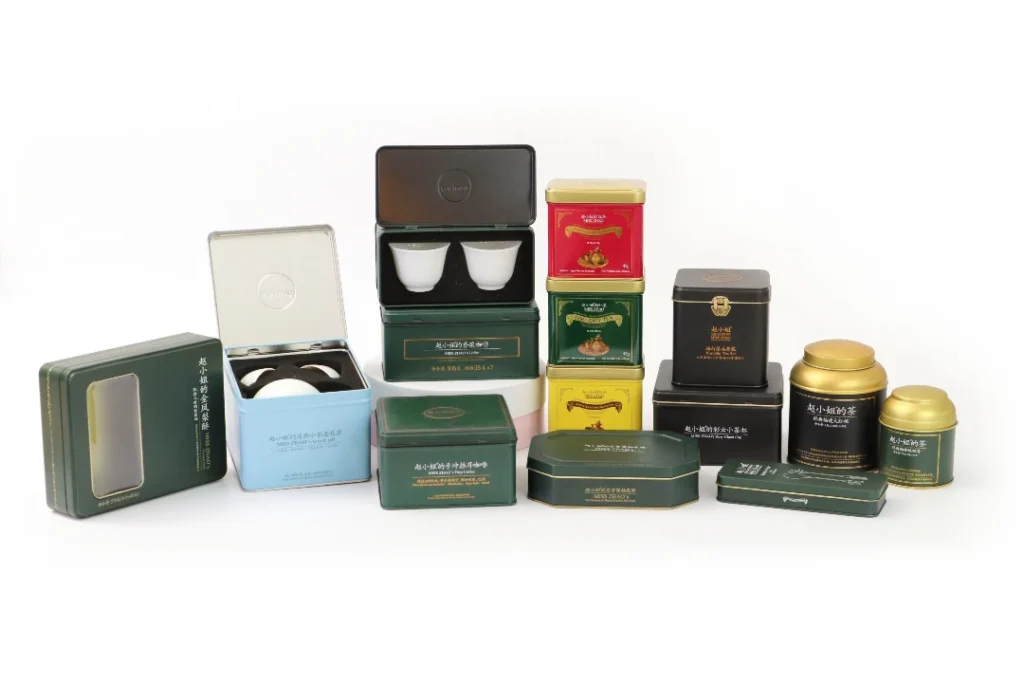
Most food tins are made from tinplate—steel with a thin tin coating—because it is formable, durable, and suitable for high-quality printing and finishing. Tinplate is widely used for cans and closures, and the industry relies on recognized material specifications for consistency and performance. ASTM International
A well-made Metal Tin Box also protects foods from crushing, light exposure, and rough handling. That means fewer dented packs, fewer returns, and a better unboxing experience when customers buy online.
Coatings and linings: the “invisible” layer that matters
For many foods (especially powders, salty snacks, or products with oils), brands choose an internal lining to reduce the chance of metal interaction and to help maintain taste and aroma. In the United States, food-contact coatings are addressed within FDA’s indirect food additive framework, including rules for resinous and polymeric coatings used on food-contact surfaces. eCFR
If your product is sensitive, the coating choice is not a “nice-to-have.” It is part of the packaging system, just like the lid, and it should match your food type and intended storage conditions.
Common compliance references in the EU and US
In the European Union, food-contact materials fall under the framework requirements of Regulation (EC) No 1935/2004. It sets the baseline expectation that materials intended to contact food should be safe under normal and foreseeable conditions of use. EUR-Lex
For manufacturing control, the EU also specifies Good Manufacturing Practice requirements for food-contact materials under Commission Regulation (EC) No 2023/2006. EUR-Lex
Migration testing and “real use” conditions
For many food-contact packaging projects, the question becomes: “How do we show the packaging behaves safely with our specific product?” In the EU context, migration testing is commonly discussed using standardized time/temperature conditions and food simulants that represent categories of food. Food Safety
A practical takeaway is that your tin box design should be discussed together with real use details—food type, shelf life, storage temperature, and whether the tin is primary contact or secondary contact (for example, if you add an inner bag).
Why Lids Matter for Food Packaging Security
Freshness after opening: reseal = repeat enjoyment
Many food products are consumed over days or weeks, not in one sitting. A good lid fit helps reduce exposure to humidity and air each time the product is opened, which supports texture and aroma retention for items like cookies, tea, spices, and roasted snacks.
A Metal Tin Box with Lid also helps customers keep their pantry organized. When your packaging becomes part of daily life, your brand stays visible long after the first purchase.
Tamper evidence and customer confidence
While a standard tin lid is not automatically “tamper-evident,” you can design a system that clearly shows first opening. Options include shrink bands, label seals, tear-strip over-labels, or inner freshness seals that must be removed before use.
This matters because buyers often judge food safety emotionally as well as logically. A clean, secure opening experience increases trust and reduces hesitation—especially for online orders, gifts, and premium foods.
Protection during shipping and retail handling
Tin is rigid and impact-resistant compared to many flexible packages, which helps protect fragile foods from being crushed. The lid is part of that strength, because a loose lid can pop off in transit even if the body is strong.
When you design your lid correctly, you protect the product and the presentation at the same time. That means fewer customer complaints and better reviews.
Choosing the Right Lid Style for Your Product
Slip lid vs. plug-in lid: the everyday workhorses
A slip lid (friction-fit) is popular for mints, candies, and many dry foods because it is simple and cost-effective. With proper tolerances, it opens smoothly and stays closed through normal handling.
A plug-in lid (sometimes called a “press-in” lid) typically seats more deeply into the body and can feel more secure. This structure often works well for taller tins, gift sets, and products that might be shaken or shipped long distances.
Hinged lids for convenience and premium feel
Hinged tins are excellent when you want “one-hand” opening or a more gift-like presentation. They also reduce the risk of customers misplacing the lid, which is useful for repeat-use products like tea, coffee, and pantry staples.
If your brand story includes reuse, a hinged Metal Tin Box often reinforces that message. Customers keep it on their countertop because it looks and feels valuable.
Gaskets, liners, and special sealing approaches
Some foods require higher moisture control than a standard friction-fit lid can provide. In those cases, you can add foam liners, silicone rings, or a secondary inner seal to improve the barrier.
A smart approach is to treat the tin as the protective outer shell and use a certified inner bag or liner for direct contact and aroma protection. This hybrid structure can be ideal for coffee, spice blends, or powders that clump easily.
Barrier Performance: Protecting Flavor, Aroma, and Shelf Life
Moisture control for powders, baked goods, and crispy snacks
Humidity is the enemy of crunch and flowability. If your product is sensitive—like biscuits, jerky, powdered supplements, or seasoning mixes—lid fit and sealing strategy should be defined early in the project.
A tight-fitting Metal Tin Box with Lid helps, but the best designs also consider headspace, desiccant use where appropriate, and whether the product needs an inner wrap. When all of these work together, you reduce staling and clumping.
Oxygen exposure and aroma loss
Oxygen can dull flavors, especially for nuts, roasted snacks, tea, and aromatic spices. A tin box is an excellent light barrier, and it can reduce oxygen exchange compared with many non-rigid packages, but your lid design determines how “closed” the system really is after opening.
If you need strong aroma lock-in, consider an inner pouch or liner plus the tin outer. This provides both premium presentation and functional protection.
Light protection for sensitive ingredients
Many foods and botanicals are light-sensitive, and metal packaging blocks light completely. That makes a Metal Tin Box especially attractive for tea, matcha, herbal blends, and nutraceutical ingredients where quality perception is tied to aroma and color.
Light protection is also a marketing advantage. You can confidently position the tin as “protective packaging,” not just “pretty packaging.”
Design and Branding: Turn a Tin Box Into a Premium Food Gift
Printing, finishes, and tactile details
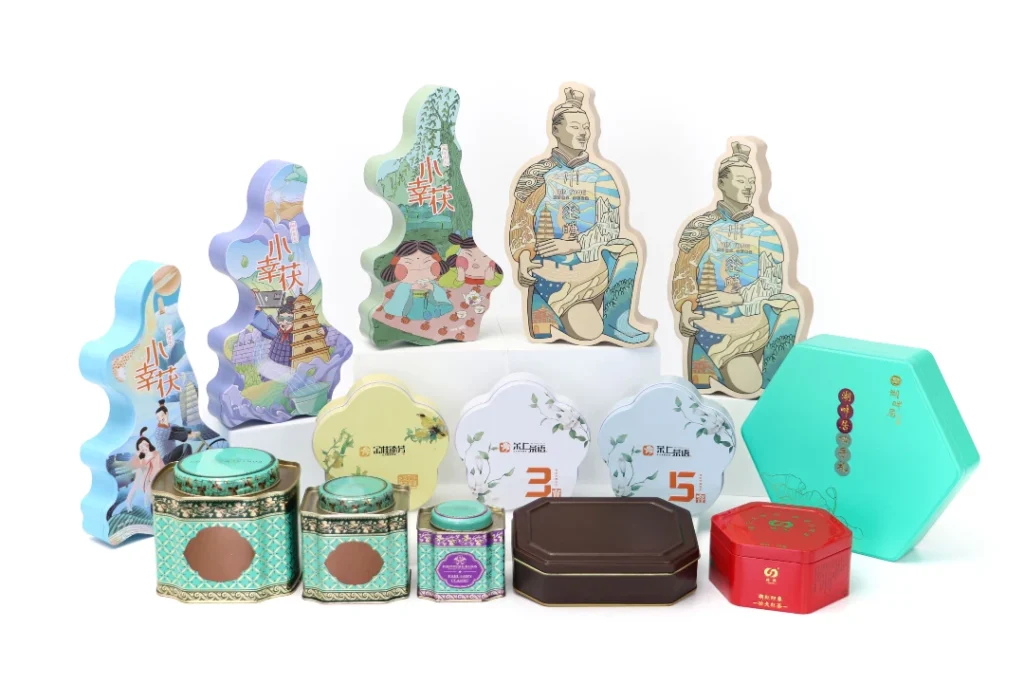
A custom tin gives you a large printable surface that feels “built-in,” not stuck-on like a paper label. Options include CMYK printing, spot colors, matte/gloss combinations, UV highlights, embossing/debossing, and metallic effects that elevate shelf impact.
This is where a Metal Tin Box with Lid often beats alternatives. The customer touches it, opens it, and keeps it, so every design detail becomes part of the brand experience.
Shape and size: match the product and the moment
Round tins feel classic and premium, while square or rectangular tins stack efficiently for retail and shipping. Slim tins are great for mints and chocolates, while taller tins work well for loose tea, coffee, and gift assortments.
The best sizing strategy balances fill volume, headspace, and opening comfort. If the tin is too tight, filling is difficult; if it is too loose, the product looks “empty,” which can reduce perceived value.
Space for labeling and regulatory content
Food packaging usually needs specific information—ingredient lists, allergen statements, net weight, country of origin, and barcode placement. Even if you use a label, the tin geometry should reserve flat areas so labels apply cleanly and remain readable.
Good design avoids last-minute compromises. When your tin is planned with labeling needs in mind, production is smoother and the final packaging looks more professional.
Manufacturing a Custom Metal Tin Box with Lid
From dielines to tooling: what happens in the factory
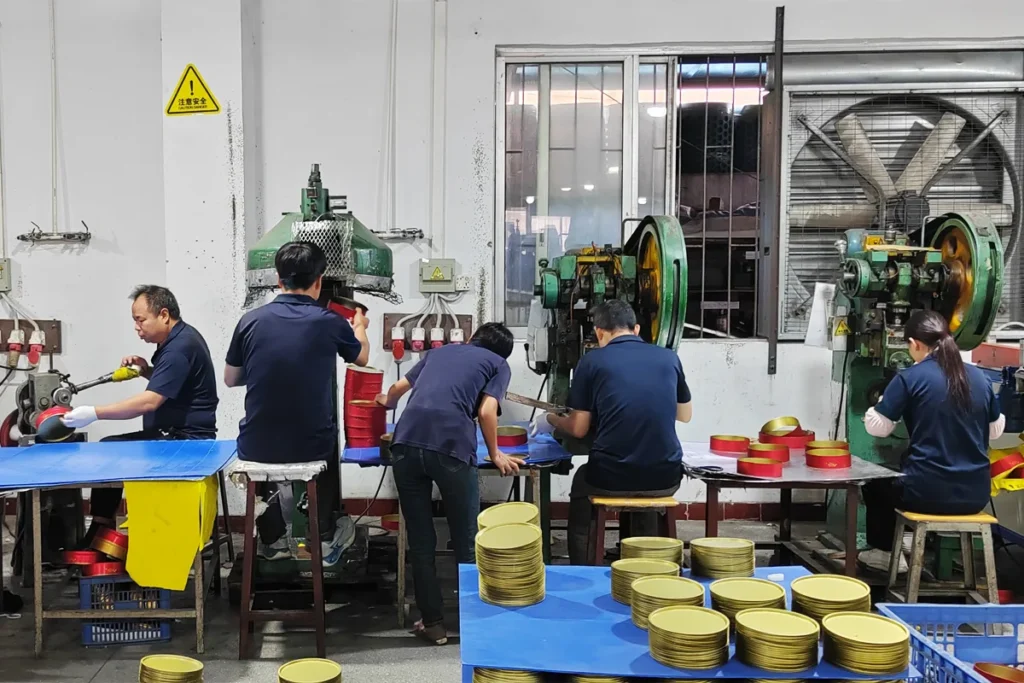
A custom Metal Tin Box starts with structure design and dielines, then tooling is created for stamping/forming. Tinplate material is selected by thickness and temper, and cutting/forming steps are planned to achieve clean edges, stable seams, and consistent lid fit.
Industry standards for tinplate used in packaging and closures help define material expectations and performance. ASTM International
Coating, printing, and curing
Printing and coatings are not just cosmetic. They influence scratch resistance, corrosion resistance, and food-contact performance depending on the design and where the coating is applied.
For food projects, brands often care about interior linings and the regulatory status of food-contact materials. The U.S. FDA provides guidance and frameworks for food contact substances and their regulatory status in packaging applications. U.S. Food and Drug Administration
Assembly and lid fit control
Lid feel is a “customer experience” feature, but it is also a “shipping integrity” requirement. During production, a responsible tin box factory controls tolerances, checks opening force, and tests closure security with real handling scenarios.
When you choose a partner like MrTinBox, you should expect structured sampling and fit testing. That is how you avoid surprises after mass production begins.
Quality Control Checklist for Food Tin Packaging
Documentation, traceability, and food-safety systems
Food brands increasingly prefer suppliers with recognized food-safety management approaches. ISO 22000 is one well-known standard that defines requirements for a food safety management system across the food chain. ISO
Many global brands also reference packaging-focused certification schemes such as BRCGS Packaging Materials, which is widely used across packaging supply chains. BRCGS
Physical safety: edges, seams, and handling
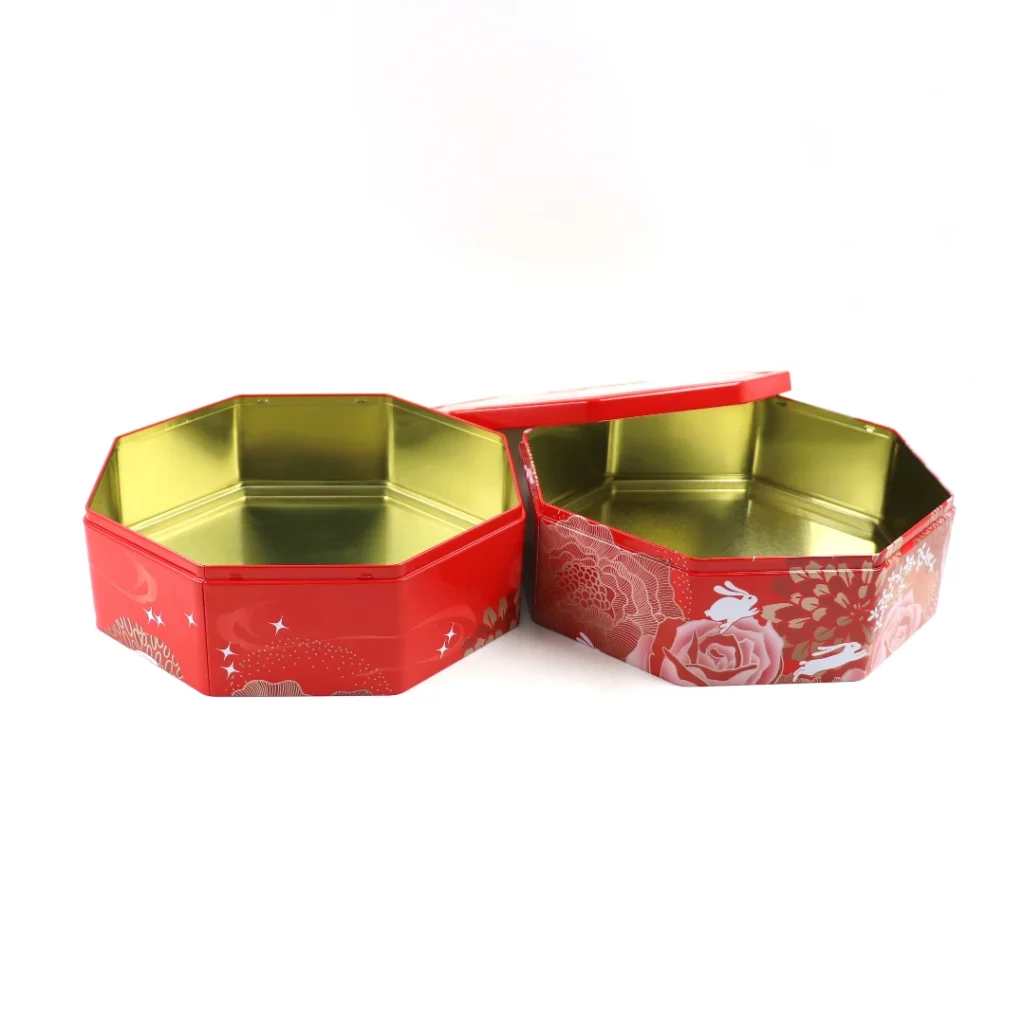
A quality Metal Tin Box with Lid should open without sharp edges and should maintain its shape after drops or compression typical of logistics handling. Quality checks often include edge curling inspection, body seam alignment, lid engagement depth, and scratch resistance.
These details reduce customer risk and improve brand perception. When a tin feels safe and solid, customers assume the food inside is trustworthy too.
Migration testing and use-condition validation
In the EU, migration testing is discussed under standardized conditions using food simulants and time/temperature combinations representing intended use. Food Safety
Even when the tin is not the direct contact layer (for example, when using an inner bag), brands often still want to confirm that inks, coatings, and adhesives are chosen responsibly. The right approach depends on your market, product category, and distribution conditions.
Sustainability: Reusable, Recyclable, and Brand-Friendly
Reuse is a real marketing asset
Unlike many disposable packages, a tin can be reused for storage, gifting, and organization. That makes it a “brand object” in the customer’s home, which can increase repeat purchase intent.
A reusable tin also supports premium positioning. When the packaging feels valuable, customers accept premium pricing more easily.
Strong recycling performance for steel packaging
In Europe, steel packaging has been reported as reaching a record recycling rate, with data indicating that 82% of steel packaging placed on the market was “really recycled” in 2023 under an EU harmonized methodology. Steel for Packaging Europe
You can communicate sustainability benefits honestly when you focus on what tin does well: durability, reusability, and compatibility with established recycling streams. Claims should always match your target market’s rules and your packaging structure.
Avoiding greenwashing in your messaging
Sustainability claims should be specific. Instead of vague statements, describe measurable features like “reusable container,” “designed for long-term storage,” or “made from steel/tinplate packaging commonly recycled in many regions,” supported by credible sources where appropriate. Steel for Packaging Europe
This approach protects your brand reputation. It also makes procurement teams more comfortable choosing your packaging.
Best Use Cases for Metal Tin Boxes with Lids in Food
Tea, coffee, and spices
A Metal Tin Box with Lid is ideal for aroma-driven products because it blocks light and supports repeated opening/closing. It also looks premium for gift tea sets, seasonal spice kits, and signature coffee releases.
For high-aroma products, brands often combine the tin with an inner bag to maximize freshness. This gives you both the functional protection and the premium shelf presence.
Candy, mints, and chocolate
Tins are a classic for mints and candy because they feel collectible and portable. A well-designed lid stays closed in a pocket or bag, while the rigid body protects the contents from being crushed.
For chocolate, structure choice matters because temperature and bloom risk are higher. Many brands use tins for seasonal gifting, where presentation matters as much as protection.
Cookies, snacks, and pet treats
Baked goods benefit from crush resistance, and tins excel at that. When you add a smart lid structure and optional inner seal, you also improve freshness after opening.
Pet treat brands are also using tins to support premium positioning. A durable tin communicates quality and can be reused as a storage container, which customers appreciate.
Supplements and functional powders
Powders clump with humidity, so lid fit and optional liners are important. A tin package can look “clinical-premium” without being cold, especially with clean graphics and a precise opening experience.
Because supplement markets can be compliance-heavy, many brands keep direct contact managed by a liner while using the tin as the protective premium shell. This structure can make compliance and performance easier to balance.
Ordering Guide: Specs You Should Confirm Before Quoting
Dimensions, capacity, and headspace
Start with the product’s true fill volume and desired presentation. A tin that is too large can make your product look less valuable, while a tin that is too small can cause filling issues and lid deformation.
For accurate quoting, define the outer dimensions, inner usable space, and the target packed weight. When these are clear, sampling is faster and cost control is easier.
Lid tightness and opening feel
A lid should feel secure but not frustrating. Define whether you prefer a tight friction fit, an easier open for older consumers, or a design optimized for repeated daily use.
Your lid target affects tooling tolerances and QC methods. If you communicate your “opening feel” expectation early, the final Metal Tin Box with Lid will match your brand positioning.
Artwork files and color control
High-end tins rely on precise artwork setup, including bleed, safe zones, and color references. If you have strict brand colors, provide Pantone guidance or approved printed references.
Also confirm whether you want matte, gloss, metallic, or soft-touch finishes. These choices influence the perceived value more than most brands expect.
MOQ, lead time, and shipping packaging
Custom tins typically require sampling and tooling steps before mass production. Plan for prototypes, pre-production samples, and shipping test cartons that protect the tins from scratches and dents.
If you are launching in multiple regions, confirm labeling needs and any local market rules early. That prevents delays right before the product launch.
FAQ
Are metal tin boxes airtight?
Most friction-fit tins are not truly airtight like a fully seamed can, but they can still provide strong day-to-day closure for many dry foods. If you need higher barrier performance, you can add liners, gaskets, or an inner sealed bag to build a stronger system.
The best approach depends on your product’s shelf-life target and how customers will store it after opening. A secure-feeling lid is good, but the right barrier strategy is better.
Can you use a tin box for acidic or oily foods?
Some acidic or salty foods can be more reactive, so internal lining choice and actual use conditions matter. If the tin is intended for direct contact, select appropriate food-contact coatings and validate the design with relevant testing strategies and guidance. eCFR
Many brands solve this by using an inner pouch or wrap for direct contact and letting the tin deliver premium presentation and protection. This hybrid method is common and practical.
Do you support recognized food-safety standards?
Brands often request manufacturing controls aligned with recognized systems and certifications. ISO describes ISO 22000 as a certifiable food safety management system standard used across the food chain, and packaging supply chains often reference BRCGS Packaging Materials as well. ISO
If you have a specific customer requirement, it can be mapped into a project QC plan. That includes traceability, inspection points, and third-party testing where appropriate.
What material standard should I reference for tinplate?
Many buyers reference recognized tinplate specifications when discussing material consistency for packaging applications. ASTM’s tin mill product specifications are commonly cited in industry contexts for tinplate used in cans, closures, and related products. ASTM International
In practice, your project also needs thickness, temper, coating/lining requirements, and finishing specs to be fully defined. A good supplier will help you translate “brand needs” into “factory-ready” specifications.
Build Your Next Food Package Around a Better Tin
A well-designed Metal Tin Box with Lid is more than packaging—it’s product protection, shelf impact, and brand storytelling in one object. When the lid fits right, the coating is chosen responsibly, and the printing looks premium, you get a food package customers trust and want to keep.
If you want a custom Metal Tin Box for tea, candy, snacks, spices, or supplements, MrTinBox can support your project from structural design to sampling and mass production. Share your product type, target size, and market region, and we can recommend the best lid style and specification path for secure, food-friendly packaging.