

Launching (or upgrading) packaging often starts with a simple question: what Metal Tin Box size and shape should we choose? In reality, that decision affects everything—product protection, shipping efficiency, shelf impact, compliance, and unit cost. A Metal Tin Box that looks perfect in a mockup can become inefficient (or risky) once you consider stacking strength, closure fit, coating selection, and real-world handling.
This guide explains how to match Metal Tin Box sizes and shapes to the needs of different industries, using practical packaging logic you can apply right away. Throughout the article, we’ll also reference recognized standards and regulatory frameworks with embedded links, so your decisions are easier to justify to internal teams and external buyers.
Table of Contents
Why Metal Tin Box Size and Shape Matter More Than You Think
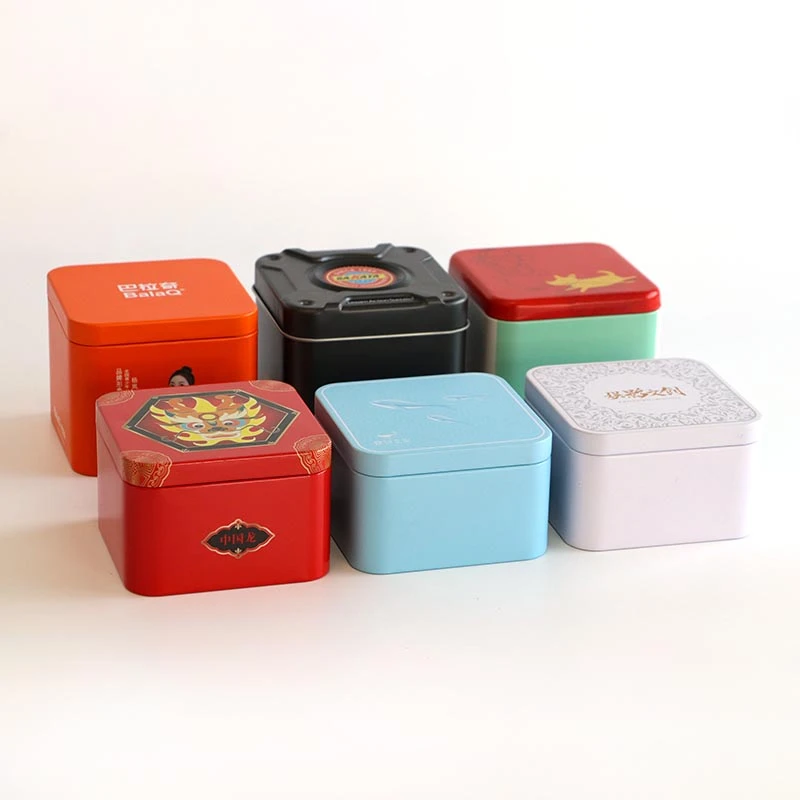
Fit, protection, and customer experience
A Metal Tin Box should “fit” the product in three ways: physical clearance, functional access, and presentation. If the internal clearance is too tight, users struggle to remove the product, labels scuff, and inserts deform over time. If the clearance is too loose, the product can rattle, chip, or abrade—especially in e-commerce fulfillment where drops and vibration are common.
The opening experience is also part of the product. A slip-lid tin that opens with a gentle “pop” feels premium for tea and cosmetics, while a hinged-lid tin can feel more “tool-like” and durable for hardware kits. Size and shape decide whether the box feels giftable, refillable, or purely utilitarian.
Supply chain efficiency and true landed cost
Two Metal Tin Box designs with the same volume can have very different shipping costs. A low-profile rectangular tin can nest or stack densely in cartons, reducing void fill and improving pallet stability. A tall round tin may present beautifully on shelf but can ship less efficiently, increasing per-unit freight cost.
Your shape choice also impacts factory tooling, manufacturing cycle time, and quality risk. Deep draws, sharp corners, unusual radii, or complex hinge structures usually add tooling cost and tighten process windows. When you choose “non-standard,” you can still win—just make sure the marketing benefit is worth the operational tradeoff.
Tinplate Basics That Influence Size and Shape Decisions
Thickness and coating ranges
Most Metal Tin Box packaging is produced from tinplate (steel sheet with tin coating) or related coated steel. Material thickness and coating weight influence rigidity, dent resistance, forming feasibility, and long-term corrosion performance. A commonly referenced industry guide notes that, in practice, steel base thickness can range roughly from 0.13 mm to 0.50 mm, and tin coating can vary widely depending on application needs. Tin Plate Group
When you specify a small Metal Tin Box for cosmetics or confectionery, you’re often optimizing for feel and printing quality. When you specify a larger tin for tools or industrial parts, you’re often optimizing for stack strength and dent resistance. Thickness selection is one of the fastest ways to change that performance.
Using standards to communicate specs clearly
If you need to standardize material expectations for procurement and QA, referencing recognized standards helps. For example, ASTM publishes specifications and requirements for tin mill products and electrolytic tinplate used in packaging applications, such as ASTM A623 and ASTM A624 (electrolytic tinplate). ASTM notes that A624 tinplate is supplied in nominal thicknesses roughly 0.155–0.378 mm (metric range listed by ASTM). ASTM International
You don’t need to overwhelm buyers with standards language. But you do want your Metal Tin Box RFQ to be unambiguous—especially when you’re comparing multiple suppliers.
Embedded reference links you can use in technical discussions:
- ASTM A624 specification overview ASTM International
- ISO 9001 overview (quality management systems) ISO
The Main Metal Tin Box Shapes and What They’re Best At
Round tins
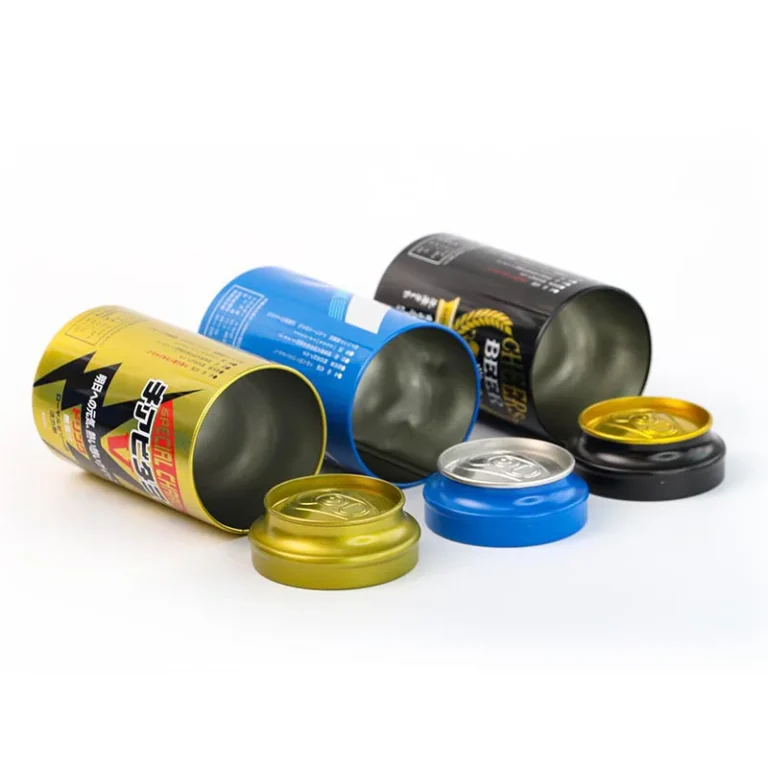
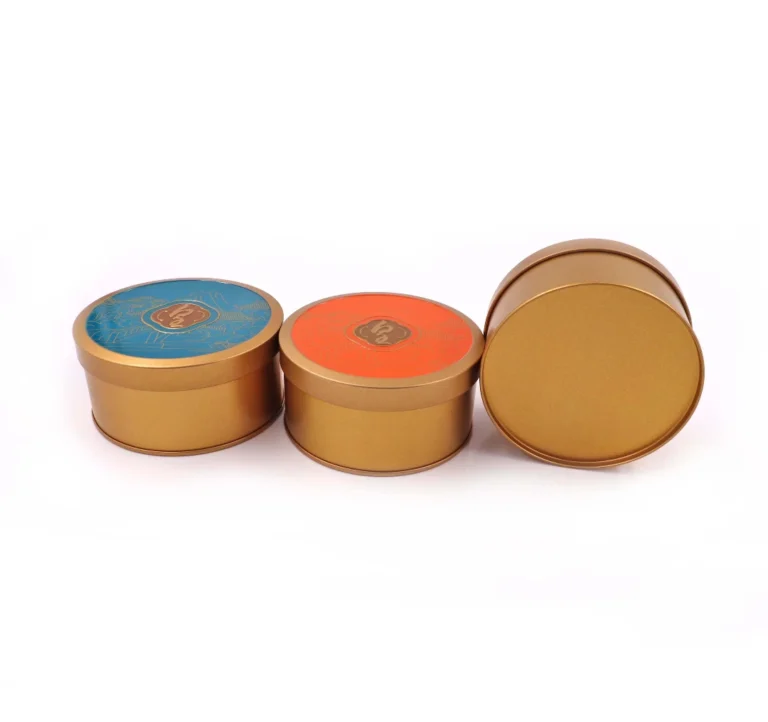
Round Metal Tin Box designs distribute force evenly, which is helpful for resisting dents and improving lid fit consistency. They’re extremely common for balms, salves, candles, tea, coffee, and confectionery because they feel “clean” and iconic. Round tins also photograph well for e-commerce and are easy to align with circular label designs.
The tradeoff is packing efficiency. Round tins usually waste more space in cartons compared with rectangular designs, especially when you’re trying to optimize pallet utilization.
Rectangular and square tins
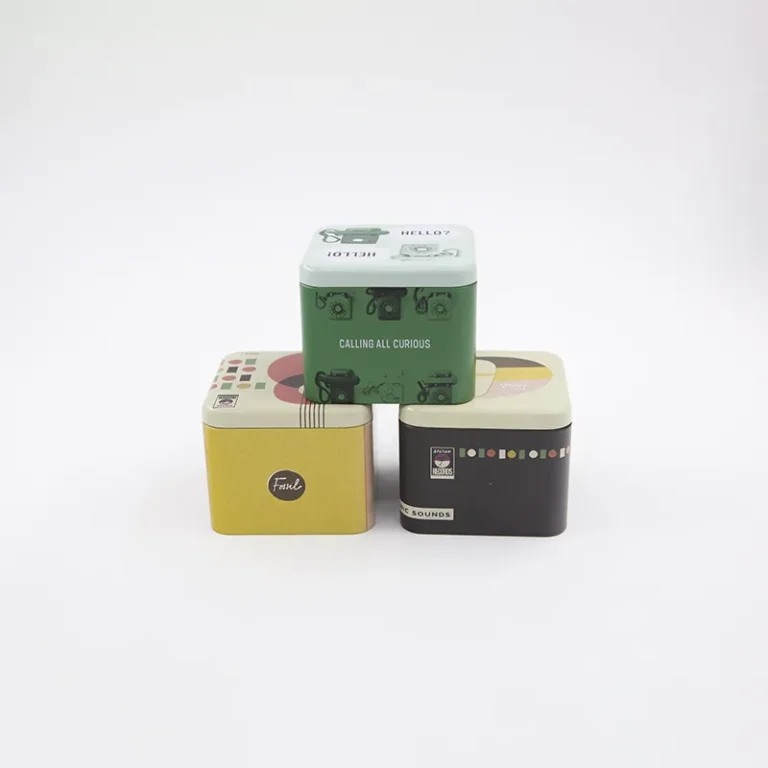
Rectangular Metal Tin Box formats are shipping champions. They tessellate (pack together) with minimal void space, making them ideal for high-volume programs, multipacks, assortments, and gift sets. They also offer large, flat branding surfaces for premium printing, embossing, debossing, and foil details.
Square tins often strike a balance: more shelf presence than a plain rectangle, while still packing efficiently. If your industry values both gifting and logistics—like confectionery, promotional packs, or premium personal care—square tins can be a smart middle ground.
Oval, capsule, and specialty silhouettes
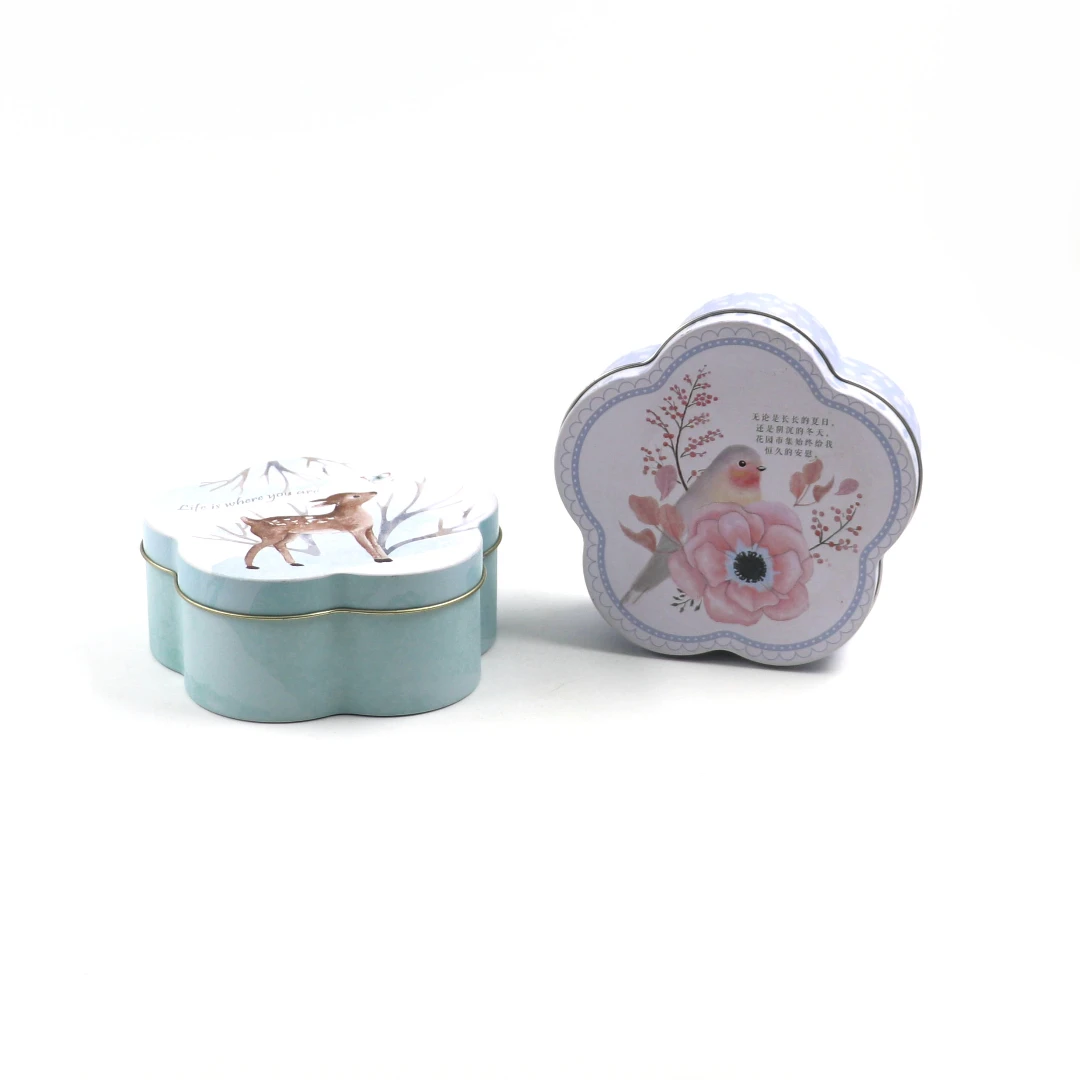
Oval tins can look more “cosmetic” or “lifestyle,” and they fit products like soaps, wipes, or slim accessory kits. Specialty silhouettes (house shapes, vehicle outlines, character forms) are powerful for promotions and brand storytelling, but they almost always require custom tooling and careful corner/radius engineering.
If you’re choosing a specialty silhouette, treat it as a marketing investment. The Metal Tin Box becomes part of the product identity, not just a container.
Closure Styles That Change How Industries Use a Metal Tin Box
Slip lid, plug-in lid, and friction fit
Slip lids are popular because they’re simple, cost-effective, and fast to assemble. They’re great for tea, candy, gifts, and stationery, where the customer opens and closes the tin frequently. Plug-in or “tuck-in” lids can improve alignment and reduce accidental opening during transport.
Friction fit requires consistent forming and tight tolerance control. If you want a luxury “snap” feel, it’s achievable—but it’s also where experienced manufacturing and process control matter most.
Hinged lid, hinged with clasp, and book-style
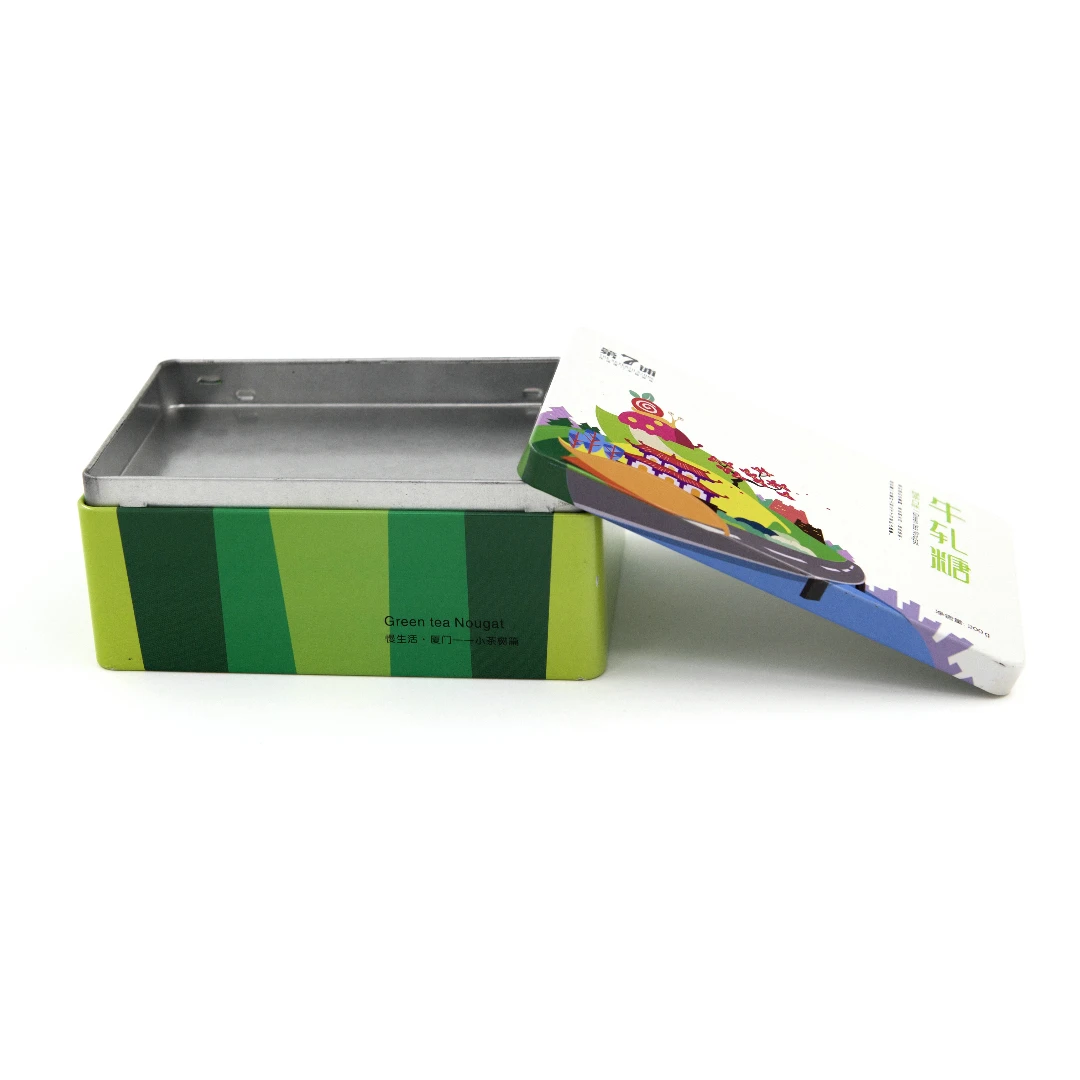
Hinged Metal Tin Box designs are perfect for kits and multi-use packaging. Hardware sets, electronics accessories, first-aid kits, promotional boxes, and multi-compartment presentations often benefit from a hinge because it keeps the lid attached and reduces misplacement.
Adding a clasp can improve security during transport and repeated use. But every additional mechanism introduces tolerance stacking and potential failure modes, so it needs a good design-for-manufacture review.
Screw lids and specialty sealing concepts
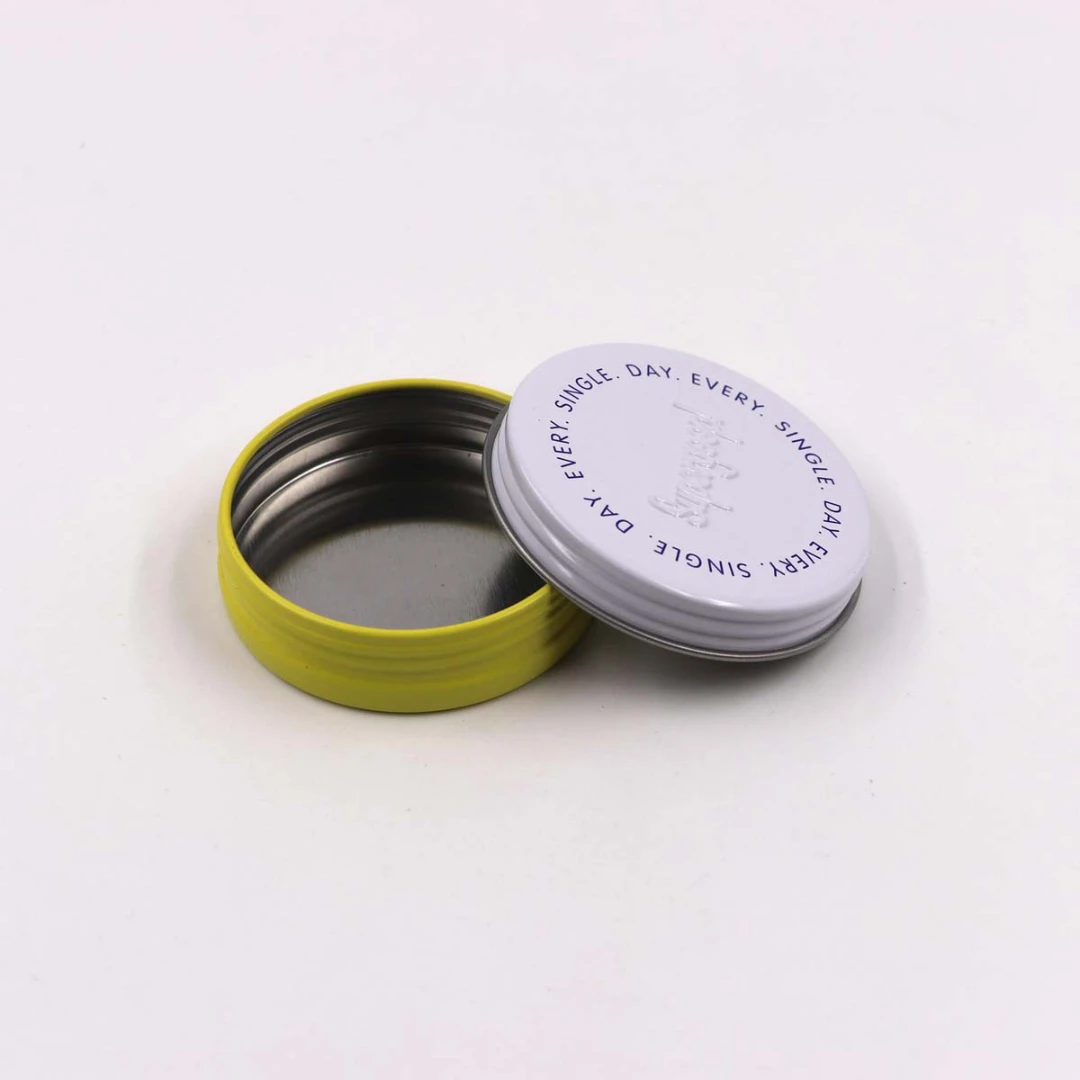
Screw-lid metal containers are common for small cosmetics, waxes, and craft items because they provide more controlled closure torque and perceived leak resistance. For some products, you may also pair a Metal Tin Box with inner liners, heat-seal membranes, or bag-in-box concepts to improve barrier performance while keeping the external tin as the premium shell.
Food and Beverage: Picking Metal Tin Box Sizes That Protect Flavor
Tea, coffee, spices, and powders
For dry food categories, the goal is usually aroma protection and daily usability. Taller round tins work well for loose-leaf tea and coffee because they allow scoop access and look premium on kitchen shelves. Rectangular tins are excellent for tea bags, spice sachets, and multipacks because they stack neatly in pantries and shipping cartons.
If you’re planning refills, choose a Metal Tin Box with enough internal clearance for the refill bag to pour easily. In many programs, the tin is the “forever container,” and the refill is where margins scale.
Confectionery, biscuits, and seasonal gifting
For candy and biscuits, shape is often marketing-led. Shallow rectangular tins create a “gift tray” feel and protect fragile cookies from crushing when paired with an insert or divider. Deeper square tins can hold mixed assortments with layered packaging (paper cups, trays, or partitions).
If your confectionery launches seasonally, consider using a standard base size with changing artwork. This lets you reuse tooling and shorten lead times while still refreshing the design.
Food contact compliance considerations
If your Metal Tin Box will contact food directly (or even indirectly, depending on construction), you should align materials, coatings, and manufacturing controls with applicable regulations. In the EU, Regulation (EC) No 1935/2004 is the framework regulation setting general principles for food contact materials. Food Safety
In the US, the FDA explains how components of food contact materials can be regulated under 21 CFR (174–179) and other applicable pathways. U.S. Food and Drug Administration
Practical embedded reference links for your compliance checklist:
- EU food contact materials legislation overview (European Commission) Food Safety
- FDA: Determining regulatory status of components of a food contact material U.S. Food and Drug Administration
Cosmetics and Personal Care: Metal Tin Box Formats That Feel Premium and Practical
Balms, salves, creams, and solid cosmetics
Small round tins are a classic choice for balms and salves because they feel portable and refillable. A shallow profile improves fingertip access, while a slightly deeper body can reduce product contact with the lid. If your cosmetic is sensitive to contamination, consider adding an inner seal or using an insert that reduces direct touch.
Rectangular tins are excellent for gift sets and multi-item kits, especially when you want compartments. They also provide strong flat surfaces for premium decoration like embossing, debossing, and spot UV.
Soap, candles, and scent-driven products
For soaps, an oval or rectangular Metal Tin Box can complement the product geometry and reduce wasted volume. For candles, round tins are popular because they center the wick naturally and look consistent across a product line.
In scent-driven categories, consistent closure fit matters because it affects fragrance retention during storage. A well-designed lid interface can make the Metal Tin Box feel like a high-end container rather than a disposable package.
Pharmaceuticals, Medical, and Health Products: When Size Must Follow Process
Secondary packaging vs. sterile barrier reality
Many health products use a Metal Tin Box as secondary packaging—a durable outer shell for branding, organization, or reuse—while the primary product remains sealed in compliant pouches or blisters. This is especially common for kits, accessories, and reusable tools where the tin adds value after the initial purchase.
If you are dealing with terminally sterilized medical devices, packaging validation requirements can be governed by standards such as ISO 11607-1 for sterile barrier systems and packaging systems intended to maintain sterility. ISO
In those cases, a Metal Tin Box is typically not the sterile barrier itself, but it can still be used as an outer protective case—depending on the product design and regulatory strategy.
Reference link you can share with engineering and QA:
Size planning for inserts, labeling, and traceability
Pharma and medical buyers often need space for inserts: instruction leaflets, batch labels, QR codes, or multi-language compliance text. That requirement alone can shift you from a “tight fit” tin to a slightly larger format that accommodates printed materials without crumpling.
In practice, the best Metal Tin Box for medical-related kits is often rectangular with a hinge, because it supports organized storage, partitioning, and repeated opening without losing the lid. It also makes serialization labeling cleaner because you have broad flat panels for high-contrast codes.
Electronics and Precision Parts: Shapes That Organize and Protect
Small components, accessories, and repair kits
Electronics often benefit from compartmentalization. A rectangular Metal Tin Box can hold foam inserts, cutouts, or trays that prevent components from colliding. If your product ships with accessories—cables, adapters, screws, or tools—then a book-style hinged tin can feel like a professional kit.
For delicate components, metal packaging is usually paired with internal protection (anti-scratch bags, foam, or ESD-safe materials as required). The Metal Tin Box provides crush resistance and a premium unboxing experience, while the inner packaging controls direct contact risks.
Stackability and warehouse handling
Electronics programs often run through distributors, meaning cartons are handled multiple times. In that supply chain, the best Metal Tin Box sizes are those that stack predictably and resist corner damage. Square and rectangular tins typically perform better than round tins in dense multi-level pallet stacking.
If you’re planning long-term SKU management, standardizing two or three tin footprints across multiple products can reduce tooling SKUs and improve procurement leverage.
Industrial Components, Hardware, and Tools: Designing for Durability First
When dent resistance and lid integrity are critical
Industrial parts introduce sharp edges, heavy weights, and vibration. Here, the Metal Tin Box becomes more like a protective case than a decorative container. Thicker material, reinforced edges, and hinge structures often matter more than fancy shapes.
Rectangular tins are common because they can be designed with internal partitions for fast sorting. For field technicians, a hinged lid is valuable because it keeps everything together in one kit.
Hazardous materials and regulated transport considerations
Some industrial goods—chemicals, adhesives, or specialty compounds—may trigger dangerous goods shipping requirements depending on classification, mode of transport, and quantity. In such cases, packaging may need to follow UN-specification / performance-oriented packaging rules for many shipments, especially by air. The FAA describes the need for UN-specification packaging for most air shipments of dangerous goods. faa.gov
This doesn’t mean every industrial Metal Tin Box is a dangerous goods package. But it does mean you should clarify early whether the tin is simply a branded outer box or part of the tested transport packaging system.
Useful reference links for logistics teams:
Promotional, Gift, and Retail Programs: Choosing Shapes That Sell
Shelf impact vs. cost reality
Promotional tins often prioritize “wow factor.” Specialty shapes and unique opening mechanisms can improve brand recall and social sharing. But the smartest programs find a balance: choose a shape that feels distinctive while keeping manufacturing complexity manageable.
A practical approach is to use a standard Metal Tin Box footprint and create differentiation through printing, embossing, and inserts. This strategy keeps tooling stable and shortens timelines for campaign refreshes.
Multi-SKU kits and seasonal editions
Gift tins frequently need partitions: one tin holding multiple flavors, samples, or small items. Rectangular and square tins are easiest to partition because you can build internal dividers with clean right angles. Round tins can be partitioned too, but you often lose usable volume to curved edges.
If you’re planning yearly seasonal drops, consider reserving one or two “hero sizes.” Your buyers will recognize the form factor while still enjoying new artwork each cycle.
How to Choose the Right Metal Tin Box Size Step-by-Step

Step 1: Define internal dimensions, not just external
Start with the product’s maximum dimensions, then add clearance for inserts, labels, protective bags, and easy removal. Many failures happen when teams design around an external size that looks nice, only to discover the internal space is too tight after adding liner boards or molded inserts.
A reliable rule is to plan clearance in layers: product → protective layer → insert/tray → headspace → lid interface. This keeps your Metal Tin Box functional across manufacturing tolerances.
Step 2: Match the shape to the “moment of use”
Ask: where and how is the tin opened? Kitchen countertop, bathroom, workshop, retail counter, or outdoors? Round tins feel friendly and lifestyle-driven, while rectangular hinged tins feel organized and professional.
Also consider one-handed opening. If the product is used while multitasking (salves, wipes, small tools), lid style and size have a direct impact on user satisfaction.
Step 3: Standardize when you can, customize when you must
If you have multiple SKUs, standardize footprints to reduce tooling and packaging variations. Then customize with decoration and inserts to preserve differentiation. This approach often produces the best cost-to-branding outcome while keeping the Metal Tin Box lineup visually consistent.
When you do need custom sizing, consider whether a “near-standard” size could work with minor insert adjustments. Small changes in dimensions can sometimes avoid a full tooling redesign.
Sustainability, Recycling, and Brand Proof Points
Why metal packaging is often a sustainability advantage
Many brands choose a Metal Tin Box because it’s reusable and widely recyclable in many markets. The story is simple: the tin becomes part of the product value, not waste. That’s especially powerful for premium categories where customers keep the container for years.
For Europe specifically, Steel for Packaging Europe reported that 82% of steel packaging placed on the market was “really recycled” in 2023, meaning it entered actual recycling operations. Steel for Packaging Europe
If you sell into sustainability-conscious channels, this kind of external proof point helps strengthen your packaging claims.
Reference link for sustainability messaging:
What buyers expect from professional factories
Many B2B buyers look for consistent process control, traceability, and QA documentation. While certifications depend on each supplier and site, understanding ISO frameworks can help buyers align expectations—especially for stable mass production. ISO explains that certification to ISO 9001 can demonstrate an organization’s ability to consistently deliver quality products and services. ISO
A Metal Tin Box may be “simple,” but buyers still care about print consistency, lid fit, edge safety, coating integrity, and pack-out reliability. Those are manufacturing disciplines, not just design choices.
Why Choose Mr.Tin Box for Your Next Metal Tin Box Program
A successful Metal Tin Box project is not only about a beautiful shape. It’s about the right combination of dimensions, structure, material, coating, decoration, and packing strategy—matched to your industry’s real constraints. When those decisions are made early and correctly, you get faster approvals, fewer quality issues, and a better unboxing experience for the end customer.
At Mr.Tin Box, our process is built to help you select (or engineer) the best Metal Tin Box sizes and shapes for your market—whether you need a cost-effective standard tin for scale, or a premium custom silhouette that turns packaging into a brand asset. If you share your product type, target market, and distribution channel, we can recommend a size-and-structure direction that balances protection, compliance considerations, and total landed cost.