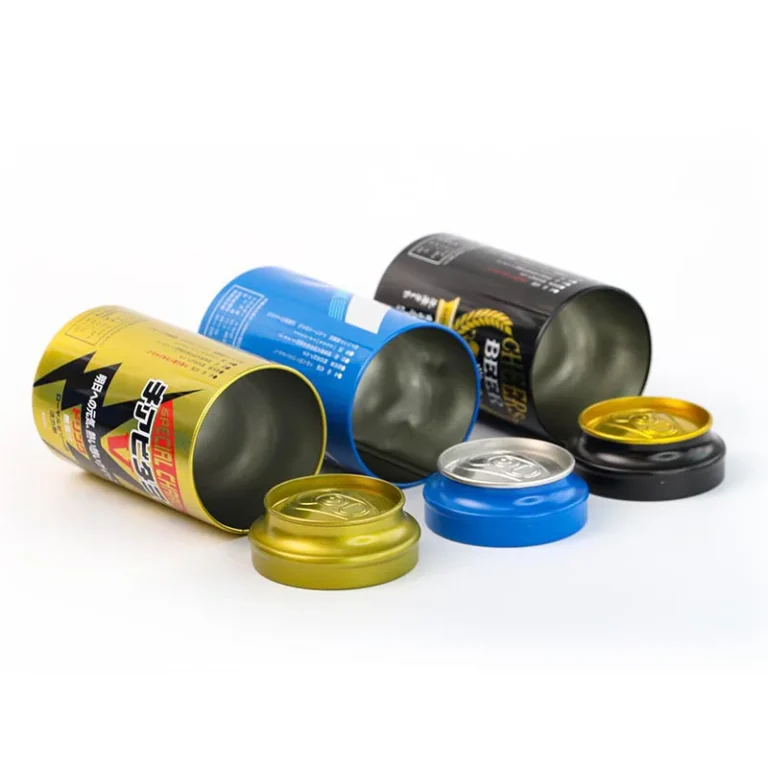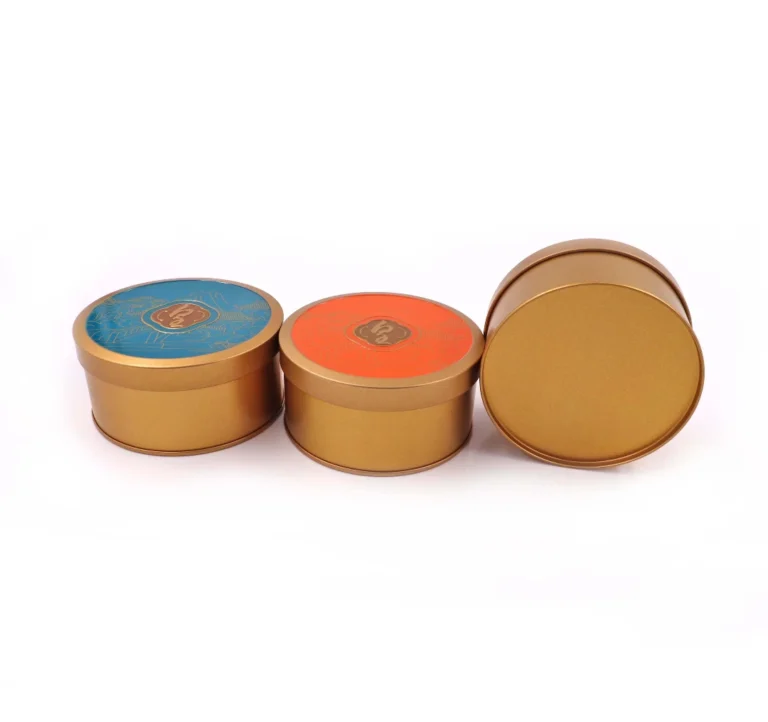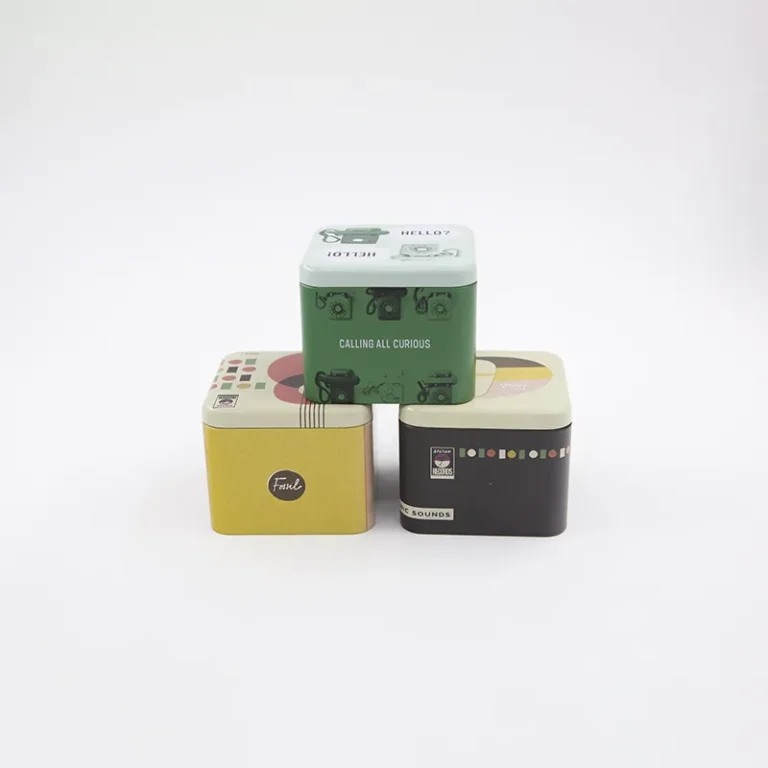

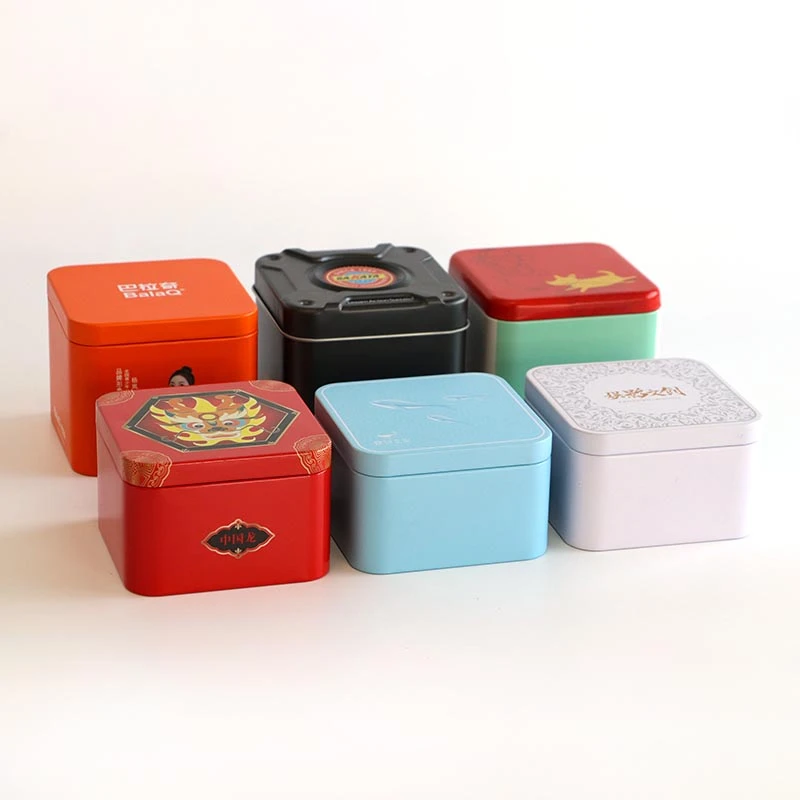

Launching a new product is exciting, but it’s also the moment when packaging mistakes become expensive. A Metal Tin Box can make a launch feel premium, protect the product through shipping, and help your brand stand out on a shelf or in an unboxing video—but only if the design, materials, compliance, and production plan are done correctly. This guide explains the fundamentals in plain English, so you can move from concept to mass production with fewer surprises and a smoother go-to-market timeline.
Table of Contents
Why a Metal Tin Box is a Strong Choice for Launch Packaging
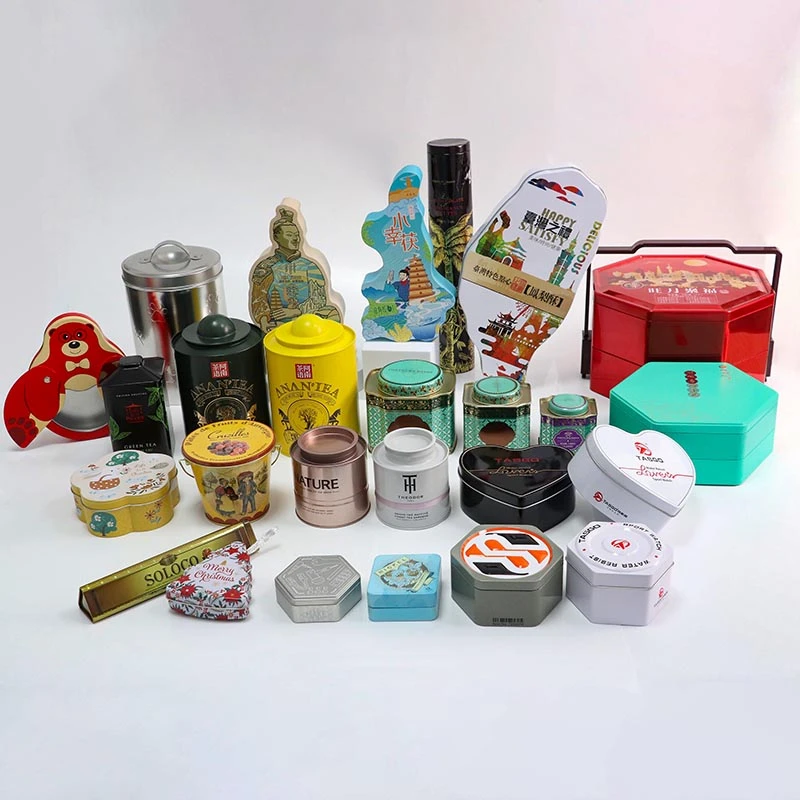
It instantly upgrades first impressions
A Metal Tin Box feels durable and collectible, which can raise perceived value before a customer even touches the product. That tactile “click” when opening and closing a tin also creates a small but memorable brand moment that paper boxes rarely deliver.
It protects products better across real-world logistics
Product launches often involve mixed channels: direct-to-consumer shipments, distributors, retail displays, and influencer kits. A Metal Tin Box handles compression, corner impacts, and stacking better than many paper-based packages, which helps reduce returns and negative first reviews.
It supports long-term brand visibility
Many customers keep tins for storage, refills, or re-use, which keeps your brand present in their daily life. This makes tins especially effective for seasonal launches, gift sets, and limited editions where “kept” packaging can extend marketing value beyond the first purchase.
Metal Tin Box Materials and Construction You Should Understand
Tinplate basics: what it is and why it matters
Most “tin boxes” in consumer packaging are made from tinplate, which is steel with a thin coating of tin. Tinplate is widely used for packaging because the coating helps with corrosion resistance and surface performance for printing and forming. International Tin Association
Thickness, rigidity, and dent resistance
Thickness affects how “solid” the tin feels, how well it resists dents, and how stable it is when stacked in cartons. A slightly thicker Metal Tin Box often costs more per unit, but it can lower damage rates and make the brand feel higher-end, which is frequently worth it for a launch.
Seams, edges, and safety feel
A professional tin should feel smooth and safe in the hand, not sharp or scratchy. Your factory should control edge rolling, seam integrity, and corner quality so the box looks clean, opens smoothly, and protects both product and user experience.
Coatings and interior protection
If the product is sensitive to moisture, oils, fragrances, or corrosion, the interior coating matters. Your coating choice should match the product category and the markets you sell into, especially if the tin will contact food or cosmetics directly.
Picking the Right Size, Shape, and Unboxing Experience
Start with how the product is used, not how the tin looks
A launch succeeds when packaging supports the product’s workflow. A Metal Tin Box for mints should be easy to open one-handed, while a tin for a gift set should present items neatly and feel ceremonial.
Common structures that work well for launches
Hinged tins, slip-lid tins, and two-piece lift-off lids each create different experiences. Hinged designs can feel more premium and reusable, while lift-off lids often provide a cleaner billboard surface for graphics.
Inserts, trays, and fit: avoid the “rattle” problem
Many launches fail to feel premium because the product moves inside the tin. Foam, EVA, paperboard inserts, molded pulp, or PET trays can lock the product in place, but you should prototype early so you don’t discover fit issues after tooling.
Branding and Decoration: Make the Metal Tin Box Look Like Your Product, Not a Generic Container
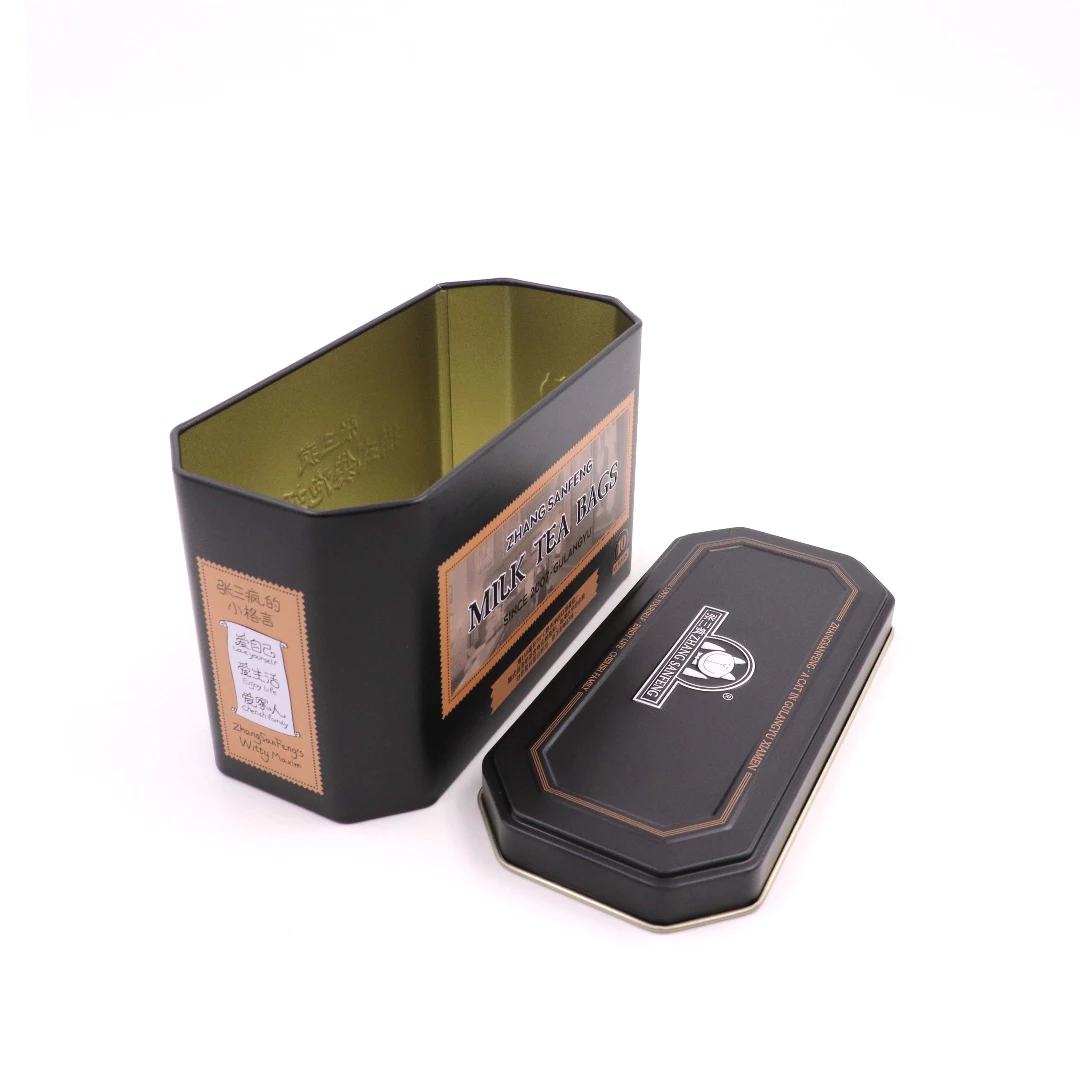
Print methods and realistic expectations
Offset printing, screen printing, and specialty finishes can all work on a Metal Tin Box, but the best method depends on your artwork complexity, color accuracy requirements, and budget. For premium launches, finishes like embossing/debossing and spot gloss can create a “touchable” brand identity that stands out in retail photography.
Color management: plan for consistency across channels
If you’re running a launch with ads, a landing page, and retail packaging, you want the tin colors to match the digital brand palette closely. That means confirming color targets, agreeing on acceptable tolerances, and approving pre-production samples under consistent lighting.
Practical artwork tips that prevent mass-production surprises
Fine text, ultra-thin lines, and large solid color fields can behave differently on metal than on paper. Your supplier should provide a dieline and decoration guidelines early, and you should treat the first physical proof as part of product development—not a final formality.
Compliance and Regulatory Basics for New Product Launches
Food contact rules: EU framework and how it affects tins
If your Metal Tin Box will touch food directly (or if the product is food), you must pay attention to food contact compliance in the markets you sell into. In the EU, the framework rules for materials intended to contact food are set by Regulation (EC) No 1935/2004, which establishes general safety principles and requirements. Eur-Lex+1
Food contact rules: U.S. FDA packaging and food contact substances
In the U.S., FDA regulates many packaging components through the Food Contact Substance (FCS) framework, including the Food Contact Notification (FCN) process. If you’re launching a food product, you should understand how materials, coatings, inks, and adhesives are handled under this system. U.S. Food and Drug Administration+1
Child-resistant packaging: when it applies and what “effective” means
Some launches—especially household chemicals, supplements, and certain drug-related products—may require child-resistant packaging. In the U.S., child-resistant packaging performance requirements are covered under the Poison Prevention Packaging Act (PPPA) and related standards in 16 CFR Part 1700. U.S. Consumer Product Safety Commission+1
Environmental claims: don’t let your launch copy create legal risk
If you want to market your Metal Tin Box as “recyclable,” “eco-friendly,” or “sustainable,” you need to support the claim and avoid vague language. In the U.S., the FTC’s Green Guides are designed to help marketers avoid making environmental claims that mislead consumers. Federal Trade Commission+1
Shipping Durability: What to Test Before You Scale
Why transit testing matters for launches
Launches often involve a spike in shipping volume and many first-time customers, which means packaging failure becomes highly visible. Testing helps you confirm your Metal Tin Box and its outer carton protect the product under drops, vibration, compression, and temperature changes.
ISTA: a common framework for distribution testing
ISTA publishes packaging test standards and procedures that many companies use to evaluate packaging performance in transit environments. Even if you don’t certify, referencing ISTA-style test logic can help you design and validate packaging more confidently. International Safe Transit Association+1
ASTM drop testing for shipping containers
Drop testing is a simple, practical way to identify weak points, especially for DTC fulfillment. ASTM D5276 is a well-known free-fall drop test method for loaded containers, and labs often use it to assess package protection performance. ASTM International | ASTM+1
Quality control checkpoints that catch issues early
A good factory will check material thickness, key dimensions, lid fit, hinge function, coating condition, scratch resistance, and print defects during production. For a new product launch, you want QC checkpoints tied to the risks that matter most: cosmetic defects on visible surfaces, closure function, and product fit.
Sustainability and Recycling: What You Can Say (and What You Should Prove)
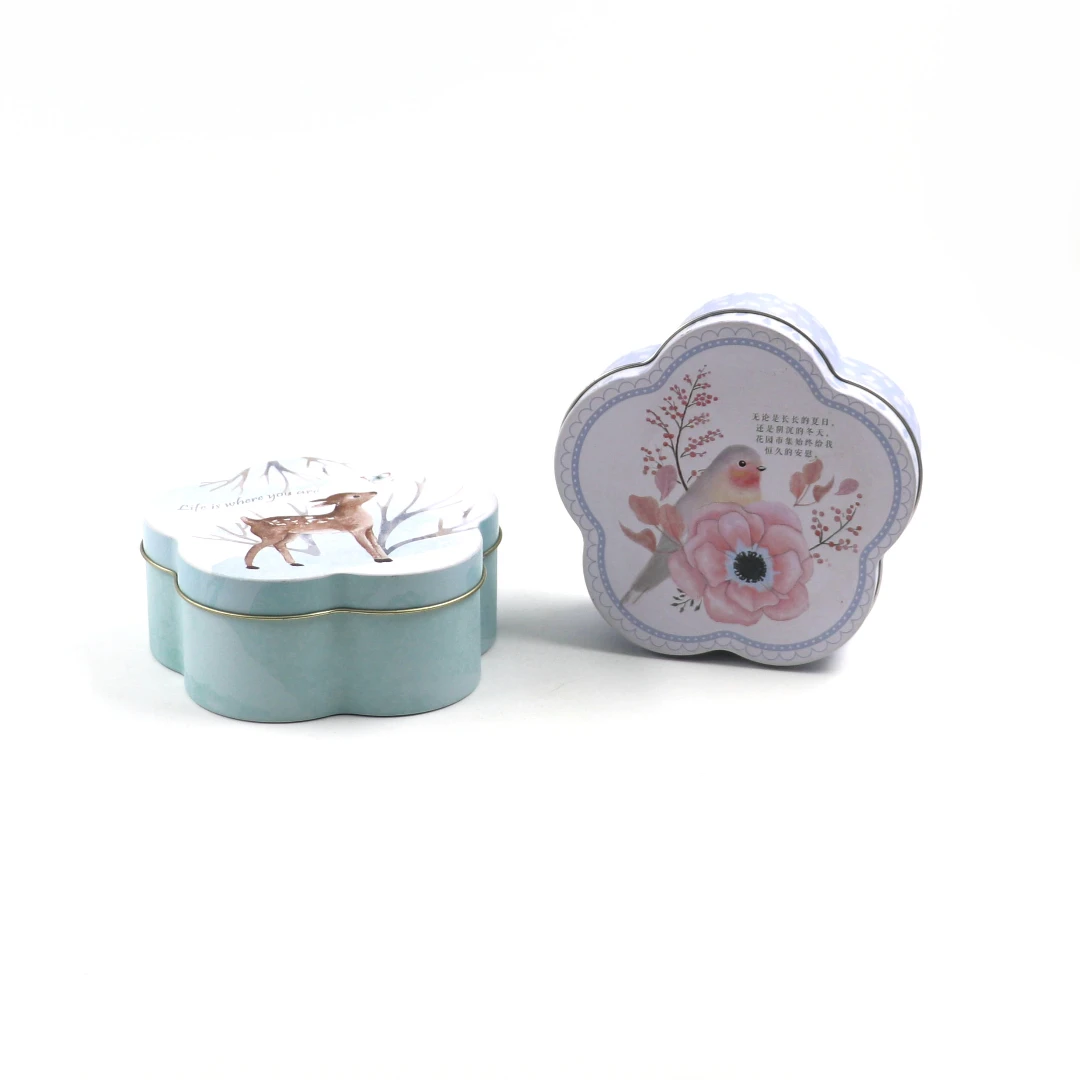
Steel and tin recycling: strong fundamentals, but be precise
Steel is widely described as one of the most recycled materials globally, and recycling scrap steel helps reduce emissions compared with producing virgin steel. World Steel Association materials highlight large-scale steel recycling volumes and the role of steel in circular economy systems. worldsteel.org+1
Packaging recycling rates vary by region, so avoid one-size-fits-all claims
Recycling performance depends heavily on local collection systems and consumer behavior. Some industry sources note very high recycling rates for steel packaging in certain markets, including examples cited for Japan and Belgium, but you should still avoid claiming a single global rate for every customer. WorldAutoSteel
Tin’s recyclability and “infinite recycling” messaging
Tin can be recycled repeatedly, and tin-industry sources emphasize the value of closing metal loops through reuse and recycling. This supports strong sustainability positioning for a Metal Tin Box, as long as your marketing claims remain accurate and market-appropriate. International Tin Association
EU packaging waste rules are tightening—plan early
If you sell in Europe, packaging compliance is evolving quickly, including new requirements under the Packaging and Packaging Waste Regulation (PPWR). The European Commission notes the PPWR entered into force on 11 February 2025, with general application 18 months later, so new launches should be designed with future requirements in mind. Environment+1
Production Planning for a Smooth Launch Timeline
Prototype like you mean it
For a Metal Tin Box, prototypes are not just for looks—they validate size, closure feel, insert fit, print results, and shipping protection. You should plan at least one “engineering sample” stage (structure and fit) and one “pre-production sample” stage (mass-production conditions).
Tooling, sampling, and approvals: where delays usually happen
Most launch delays come from late artwork, unclear dielines, or untested inserts. If you want a predictable schedule, lock the key specs early: dimensions, closure type, finish, and packing method.
Packing method matters more than most teams expect
The same tin can behave very differently depending on whether it’s shipped individually, shrink-wrapped, placed in a sleeve, or packed into a master carton with dividers. Your factory should help you design the full “packaging system,” not only the tin itself.
Cost Drivers: How to Optimize Without Killing the Launch Experience
What usually increases unit cost
More metal, complex shapes, premium hinges, multiple print passes, embossing, special coatings, and custom inserts all add cost. The trick is to spend where customers notice (touch points and visible surfaces) and simplify what they don’t (hidden interior areas or overly complex secondary packs).
What often reduces total launch cost (even if unit price is slightly higher)
Stronger tins can reduce damage rates, and better inserts can reduce returns from broken or leaking products. For launches, the real goal is not “cheapest tin,” but “lowest total cost per satisfied customer.”
A Practical Launch Checklist for Metal Tin Box Packaging
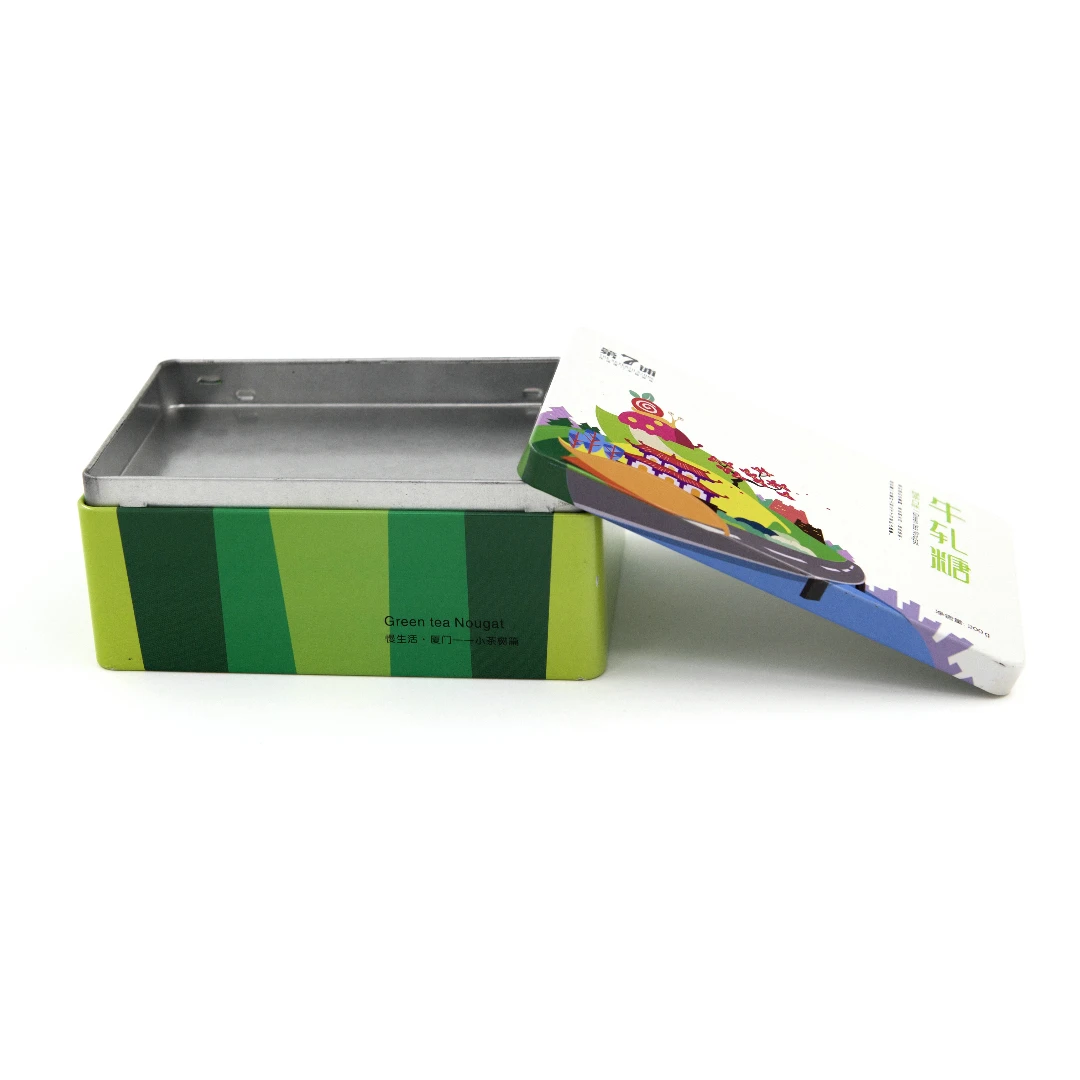
Design and brand readiness checklist
Confirm your product dimensions and tolerances before finalizing the tin, because late size changes cause the biggest rework. Also confirm your brand assets—logo versions, color references, and typography—so the tin doesn’t become a last-minute design compromise.
Compliance and claims checklist
If the tin contacts food, confirm food-contact compliance for your target markets, including EU and U.S. requirements where applicable. If you plan to claim “recyclable” or “eco-friendly,” review your language against FTC guidance and make sure you can substantiate what you say. Food Safety+2U.S. Food and Drug Administration+2
Testing and shipping checklist
Test the product in the tin, then test the tin inside its shipping configuration, because many failures happen at the system level. If you’re scaling DTC, consider ISTA-style distribution testing logic and drop testing references like ASTM D5276 to reduce surprises. International Safe Transit Association+1
Supplier execution checklist
Confirm QC checkpoints, acceptable defect levels, carton drop resistance, and the sample approval process before mass production. Also confirm how your supplier packs, labels, and ships goods so your fulfillment team doesn’t receive an unpleasant surprise during launch week.
Why Mr. Tin Box is Built for New Product Launch Packaging
Launch-friendly support from concept to mass production
A new product launch needs speed, clarity, and process control. At Mr. Tin Box, we focus on helping brands and OEM teams develop the right Metal Tin Box structure, validate samples, control print quality, and ship reliably for global markets.
What you get when you partner with us
You get a team that understands how packaging affects unboxing, logistics, compliance risk, and brand perception. You also get manufacturing know-how that helps you avoid common launch pitfalls like late artwork issues, unstable inserts, and inconsistent finishes.
Next step
Send us your product size, target market(s), estimated launch volume, and your preferred tin style. We’ll recommend a Metal Tin Box structure, finishing options, and a practical sampling-to-production plan that matches your timeline and budget.