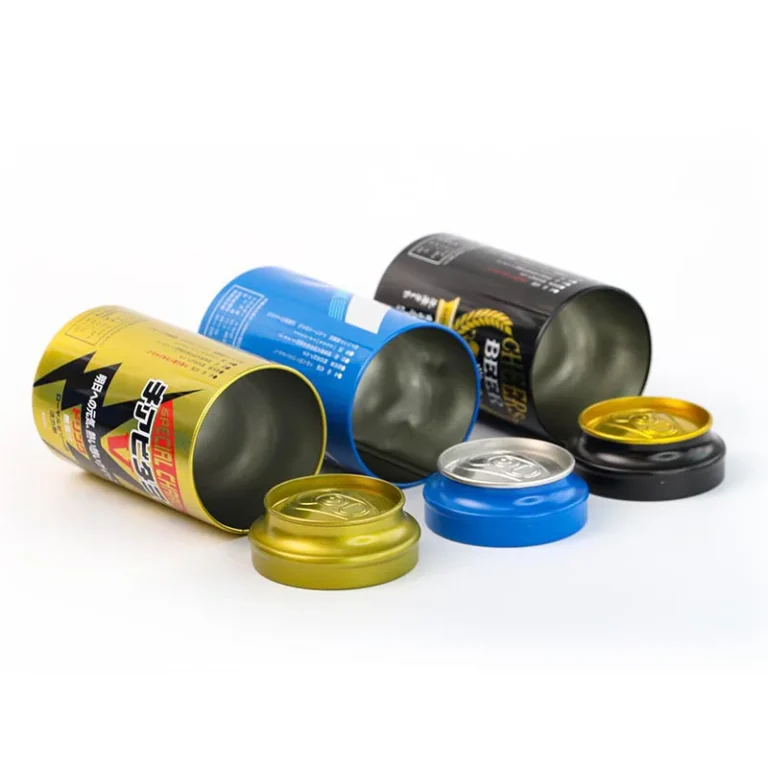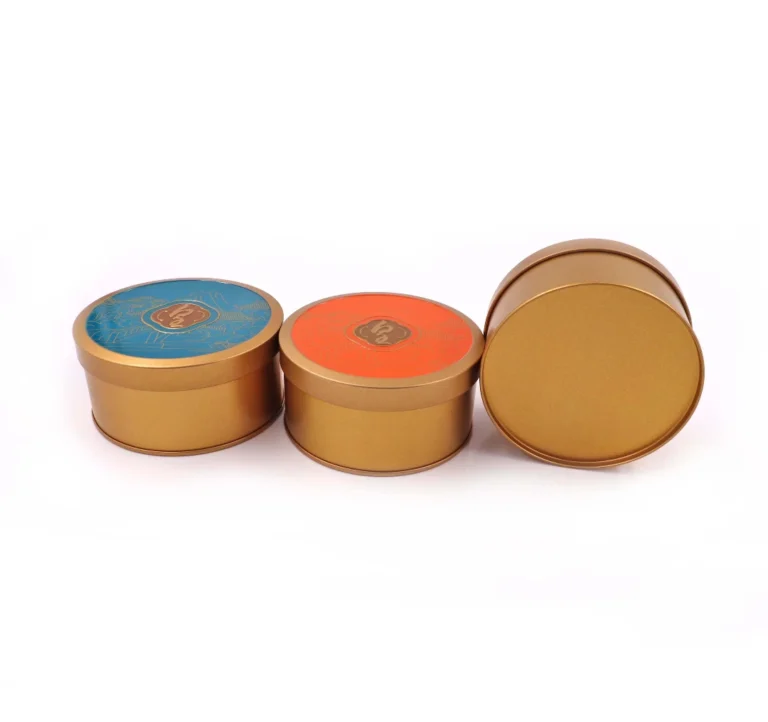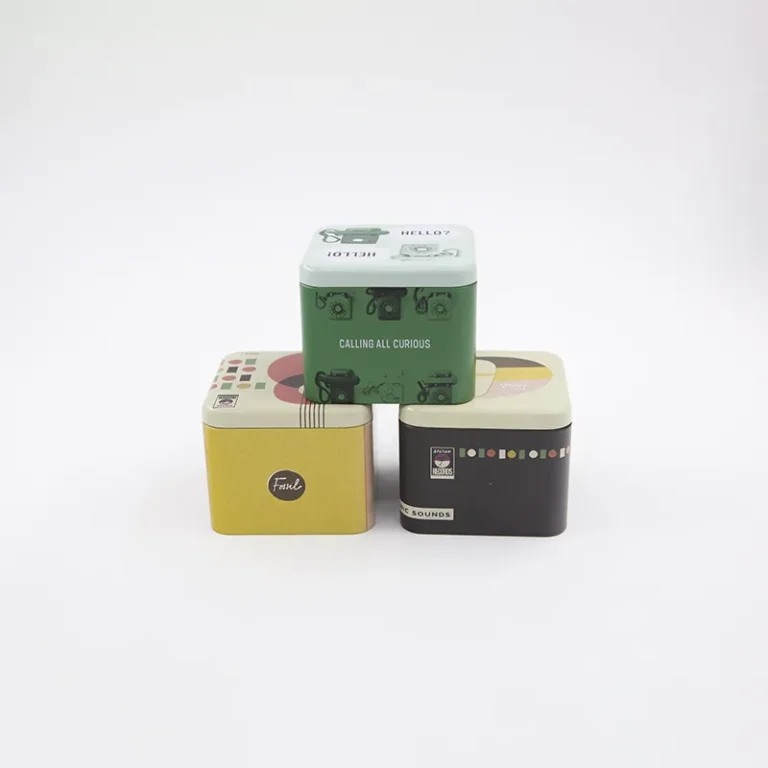

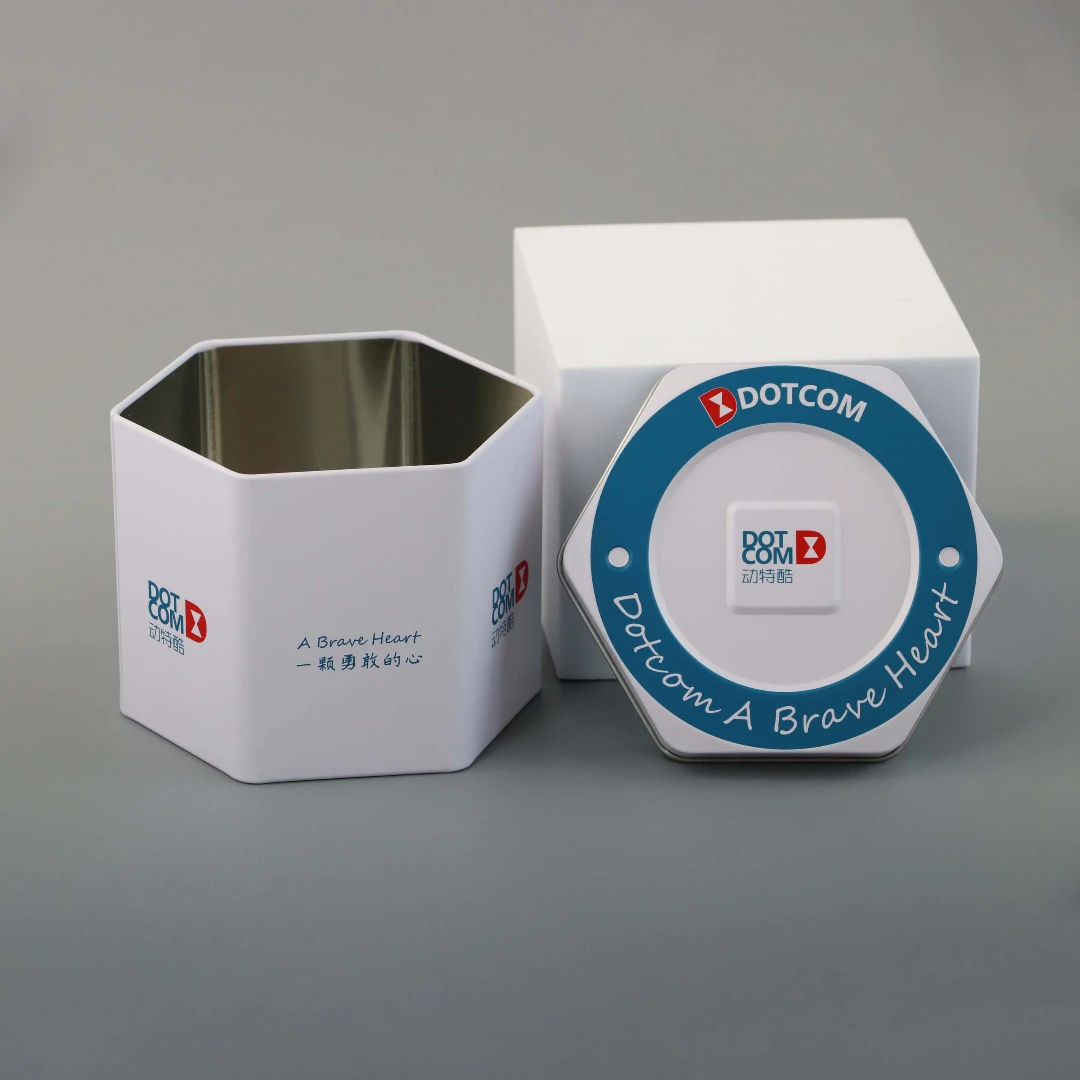

Premium consumer goods live or die by trust, tactile experience, and repeat purchase. In that context, metal packaging is not just a container—it is a brand asset that protects the product, signals quality, and supports increasingly strict sustainability and compliance expectations. From collectible tins for cosmetics gift sets to luxury lids for confectionery, today’s premium brands are using metal to build stronger shelf impact, safer distribution, and more credible circular-economy stories.
Below are the most important metal packaging trends shaping premium consumer goods—and how brand owners can turn them into practical specifications for custom programs.
Table of Contents
Premiumization Is Pushing Packaging to Work Harder
Visual impact is becoming more “architectural”
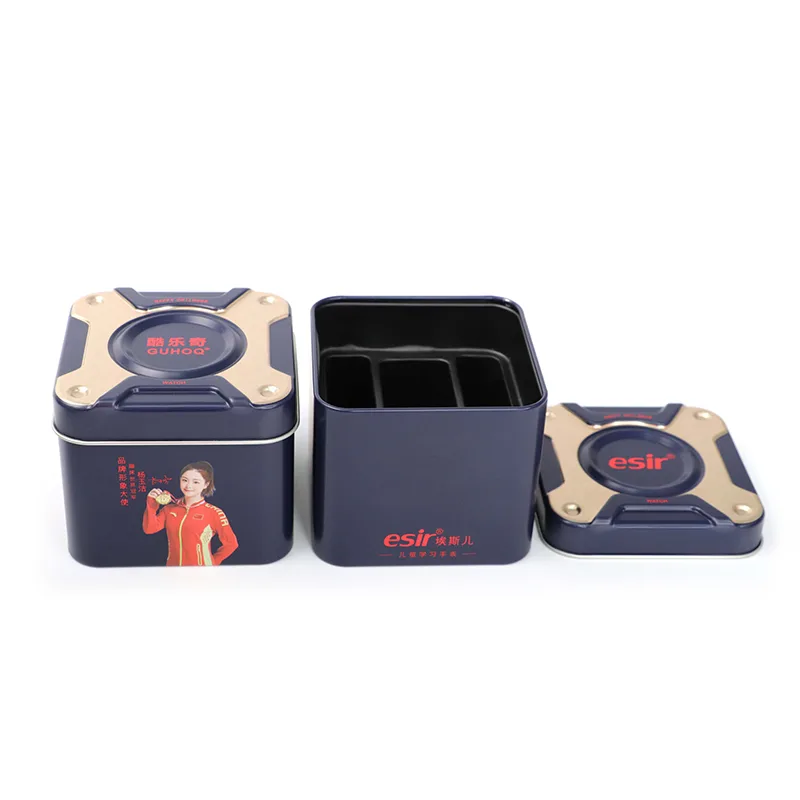
Premium buyers expect packaging that looks engineered, not improvised. Metal provides crisp edges, clean radii, and consistent geometry that helps brands create a “designed object” rather than a disposable box. When you pair that structure with high-end finishes (matte varnish, metallic inks, spot UV, soft-touch coatings), the packaging becomes part of the product’s perceived value.
Metal also enables seasonal and limited-edition drops without needing to reinvent the entire outer box system. A well-designed tin can carry a new graphic story each quarter while keeping the same proven structure, which supports both brand consistency and cost control.
Protection and shelf life remain non-negotiable
For many premium categories, damage prevention is the fastest ROI you can get from packaging upgrades. Metal offers excellent protection against crushing and abrasion during retail handling and e-commerce shipping, while also providing a strong barrier layer when the right lining and closure design are used. Academic reviews commonly note metal packaging’s strong barrier performance against light, gas, and moisture, which is critical for aroma-sensitive and oxidation-sensitive products. PMC
That protection matters even when the primary pack is not metal. Premium brands often use metal as a secondary or tertiary pack (gift tin, rigid outer, protective sleeve function) because it keeps the “unboxing moment” intact after cross-border logistics.
Anti-counterfeit cues are moving into packaging details
Premium goods are increasingly exposed to counterfeit risks, especially across marketplaces and gray channels. Metal packaging supports anti-counterfeit features that are difficult to replicate at low cost, such as micro-embossing, laser-coded marks, and controlled surface textures. In practice, brands are treating the pack as a verification tool—something the customer can feel and inspect, not only scan.
Sustainability Has Shifted From Marketing to Measurable Systems
“Permanent materials” are gaining share in premium storytelling
A major reason premium brands continue to migrate toward metal packaging is the strength of the circularity narrative when it is executed honestly. Steel and aluminum can be recycled repeatedly without the same property degradation issues seen in some other materials, and industry groups frequently describe the concept as closing the material loop with “no loss of quality” for recycled steel packaging streams. steelforpackagingeurope.eu
This is why “designed-to-last” and “designed-to-recycle” are no longer separate strategies. Premium packaging now aims to be both durable enough for reuse and compatible with real recycling systems when it finally exits the home.
Recycling performance is being discussed with real numbers
Buyers and regulators increasingly demand proof, which is pushing brands to cite verified performance metrics. For example, Steel for Packaging Europe reported 82% of steel packaging placed on the EU market was “really recycled” in 2023 (meaning it entered actual recycling operations, not merely collected), using the EU harmonized methodology. steelforpackagingeurope.eu
For aluminum beverage cans, a joint Metal Packaging Europe / European Aluminium release reported an overall recycling rate of ~75% (74.6%) across the EU, UK, Switzerland, Norway, and Iceland for 2022, with 580,000 tonnes recycled and an estimated 5.4 million tonnes CO₂e avoided. European Aluminium
When premium brands reference statistics like these, they are also learning to add context: recycling outcomes depend on collection infrastructure, deposit systems, sorting quality, and local end markets. The highest-performing packaging is still limited by the weakest part of the local system.
Scrap availability is becoming a strategic topic
Premium brands increasingly ask where recycled content comes from and whether supply is stable. Reuters reported European Aluminium citing that recycling aluminum uses about 95% less energy than primary production, and also highlighted policy debates about keeping scrap in-region due to decarbonization goals and rising scrap exports. Reuters
For brand owners, the practical implication is simple: expect more discussion around recycled content availability, pricing volatility, and “book-and-claim” style accounting approaches in some markets. Packaging procurement is starting to look more like materials strategy.
Regulation Is Now a Primary Driver of Packaging Design
The EU’s PPWR is changing what “good packaging” means
One of the most important regulatory forces affecting global packaging decisions is the EU Packaging and Packaging Waste Regulation (PPWR). The European Commission notes the PPWR entered into force on 11 February 2025, with a general application date 18 months later. Environment
If your premium consumer goods sell into Europe (or if your retailers align global specs to EU requirements), you should assume your packaging brief will increasingly include: recyclability grading, minimization requirements, labeling consistency, and more scrutiny of mixed-material formats. Even brands outside the EU adopt EU-aligned packaging because it reduces SKU complexity across regions.
If you want to reference the official policy framing, you can link to the European Commission’s packaging waste overview and the PPWR text on EUR-Lex. Environment+1
Deposit Return Systems are influencing premium beverage packaging decisions
Where DRS exists and is well-operated, collection quality and return rates can rise dramatically, improving the economics of closed-loop recycling. Metal Packaging Europe and European Aluminium explicitly point to the need for more DRS to reach very high recycling rates. European Aluminium
Outside of industry publications, mainstream reporting has also documented how deposit schemes can materially change collection outcomes in short timeframes. The Guardian This matters to premium brands because it affects both sustainability claims and the availability of high-quality post-consumer scrap.
Design Trends in Premium Metal Packaging
Texture is becoming the “new color”
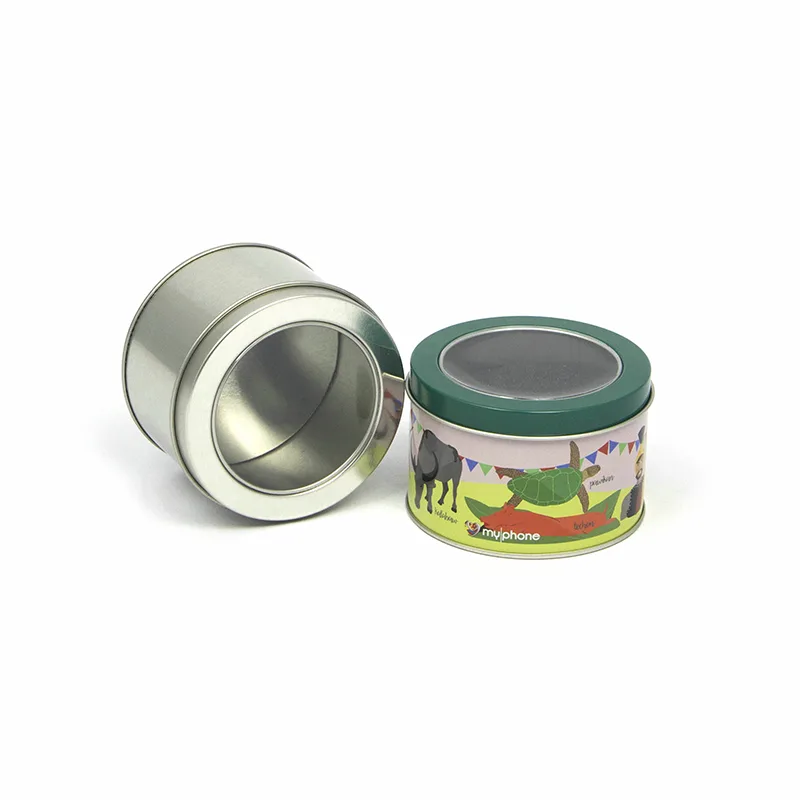
Premium packaging design is moving beyond print and into tactile identity. Embossing, debossing, knurl-like edge details, and selective textures are widely used to build brand signatures that consumers recognize instantly. In metal packaging, these features can be consistent across production runs when tooling and QC are well-managed.
A practical trend here is “quiet luxury”—less visual noise, more material confidence. Brands often reduce the number of printed colors while increasing tactile and finish complexity to keep a premium feel without looking overly promotional.
Matte, gloss, and selective shine are used strategically
In premium metal packaging, it is rarely “matte everywhere” or “gloss everywhere.” Designers increasingly blend finishes: matte base + spot UV on logos, satin body + glossy lid, or brushed-metal effect paired with soft-touch. This approach creates contrast that reads premium both online and in-hand, which is important because e-commerce photography is now a major “shelf.”
High-definition decoration is becoming more standardized
Luxury brands are bringing stricter color management and print standards to metal, similar to what they already demand in paper packaging. The trend is toward clearer technical specs: Pantone references, acceptable delta-E ranges, varnish thickness targets, scuff resistance requirements, and defined inspection sampling plans.
For custom programs, this is good news. Better specs reduce disputes and speed up approvals because the factory and the brand share the same measurable target.
“Less Plastic” Packaging Programs Are Redefining Structures
Metal is used to replace plastic components where feasible
Many premium brands are systematically eliminating plastic: swapping plastic lids for metal lids, converting plastic jars to metal tins for balms and solids, and using metal shells around refill cartridges. Even when full replacement is not possible, brands reduce plastic content by redesigning closures and accessory trays.
This trend is especially strong in categories like cosmetics gift sets, premium candles, and gourmet food assortments where the pack is part of the gifting value.
Hybrid structures are under scrutiny, not banned
Realistically, some hybrid elements remain necessary: gaskets for airtightness, liners for food contact, windows for product visibility, or inserts for protection. The trend is not “no hybrid,” but “hybrid with justification,” plus better communication of how to separate parts.
Brands are now requesting packaging that makes separation intuitive: snap-in components, clear icons, and simplified disassembly steps. This reduces the risk that a technically recyclable metal pack is effectively wasted because the consumer cannot separate it.
Reuse and “Collectibility” Are Becoming Core Premium Strategies
Keepsake packaging is a premium growth lever
A premium tin that becomes a storage box is not waste in the consumer’s mind—it is a useful object. Brands use this to extend brand presence in the home for months or years. That “second life” is why collectible series packaging is rising in confectionery, tea, coffee, seasonal cosmetics, and holiday gift sets.
The key trend is designing tins as objects, not merely packs: better hinges, stronger closures, rounded safe edges, and proportions that fit real household uses.
Refill-friendly metal packaging is gaining attention
Refill programs are expanding beyond fragrance and personal care into household and specialty categories. Metal packaging can support refill systems through durable threads, replaceable inner cups, and lids that maintain alignment after repeated use. The engineering challenge is ensuring closures remain smooth and premium after repeated open/close cycles, which requires both good design tolerances and appropriate surface finishing.
E-Commerce Is Forcing Premium Packaging to Become More Robust
Dents and scuffs are now “brand damage”
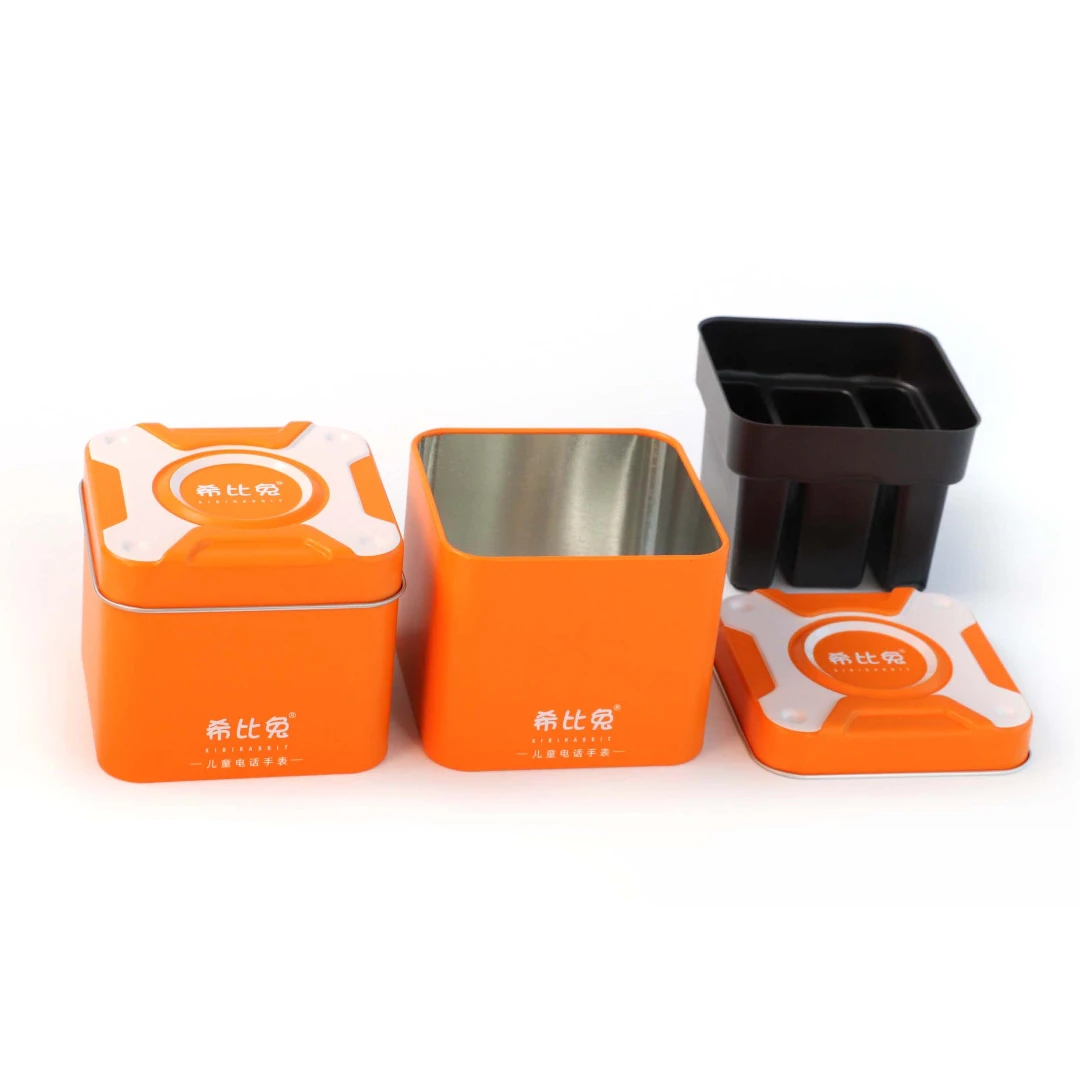
For premium consumer goods sold online, the packaging often arrives as the first physical touchpoint. That makes dent resistance, scuff resistance, and edge protection more important than ever. The trend is to validate metal packaging with practical tests: drop tests, vibration simulations, abrasion checks, and carton-packout trials that replicate courier reality.
Brands are also requesting “photogenic resilience.” In other words, the package should still look premium under harsh lighting and after handling, which pushes demand for more scratch-tolerant coatings.
Tamper evidence is moving from food into premium categories
Tamper-evident features used to be most common in mass food and pharma. Now, premium brands also want visible tamper cues to protect customer trust in marketplace fulfillment. Metal packaging supports tamper-evident seals, tear bands (when combined with outer wraps), and lid geometries that show interference.
Smart Metal Packaging Is Moving from “Nice to Have” to Standard
QR codes are becoming packaging passports
Brands increasingly use QR codes for authentication, sustainability disclosures, usage instructions, and loyalty experiences. Metal packaging supports high-resolution printing and laser marking, enabling durable codes that do not smudge like some paper labels.
In premium categories, the QR experience is shifting from “scan for marketing” to “scan for value,” such as refill registration, authenticity checks, and limited-edition content tied to specific production lots.
Serialization and traceability are rising for cross-border compliance
Luxury and premium brands are adding variable data: batch numbers, microtext, or unique unit IDs. The trend is to integrate these marks into the design rather than add them as an afterthought. When it is done well, the pack looks cleaner and the traceability function is stronger.
Material and Process Innovations to Watch
Lightweighting without losing “hand feel”
Metal packaging producers continue to optimize thickness and structure to reduce material usage while retaining rigidity. For premium goods, the balancing act is critical: too thin and it feels cheap; too thick and it becomes cost-heavy and carbon-heavy. A growing trend is to reinforce stiffness through geometry (ribs, beads, formed edges) rather than simply increasing gauge.
Coatings and food-contact safety remain essential
For many premium applications (tea, coffee, confectionery, balms, powders), the interior coating and material selection determine real-world performance. Brands increasingly request documentation for food-contact compliance, migration considerations, and chemical safety—especially when exporting to markets with strict requirements.
Circular economy policy is pushing “designed for recycling” decisions
Because EU policy and industry reporting increasingly distinguish “collected” vs “really recycled,” packaging designers are paying more attention to what survives sorting and reprocessing. steelforpackagingeurope.eu This is one reason metal packaging is attractive in premium goods: it is easy to identify and recover in many systems, and the scrap has clear value.
Category Spotlights: Where Premium Metal Packaging Is Accelerating
Beauty, fragrance, and personal care gift sets
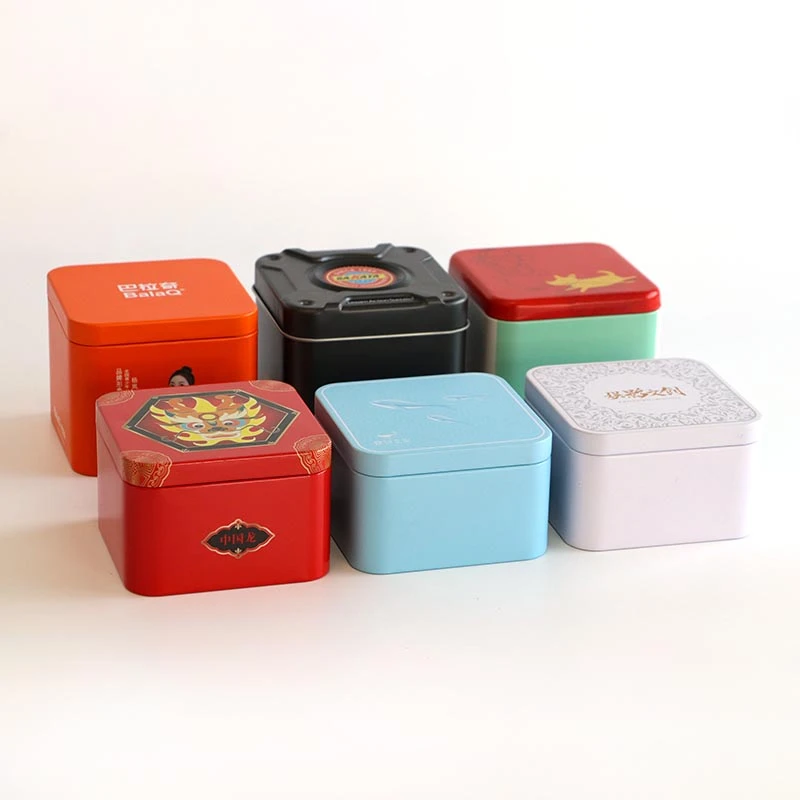
Metal tins are trending for solid perfumes, balms, hair accessories, and curated gift sets because they look premium and protect products during shipment. They also align with refill and low-plastic programs when designed with modular inserts.
The strongest growth within this segment is in “display-ready gifting,” where the tin itself replaces outer boxes and reduces the need for additional decorative wrap.
Coffee, tea, confectionery, and gourmet assortments
Airtightness, aroma protection, and gifting value make metal packaging a natural fit here. Brands are increasingly upgrading closures and adding premium printing to differentiate, while also designing tins to become countertop storage after the product is finished.
Premium beverages and limited-edition drops
Even when the primary pack is not a tin, metal is increasingly used in secondary packaging, gift sleeves, and promotional sets. Recycling system performance and deposit-return policy discussions also influence brand choices in this category, particularly in Europe. European Aluminium+1
Consumer electronics accessories and lifestyle goods
Premium earbud accessories, cables, watch straps, and small devices increasingly ship in metal boxes for protection and premium feel. This also reduces damage and returns, which is a hidden but powerful sustainability gain.
How to Specify Custom Metal Packaging Without Cost Surprises
Start with function, then aesthetics
A strong custom metal packaging brief begins with the essentials: product size, fill method, sensitivity (light, moisture, oxygen), distribution channel, and required shelf life. Once those are fixed, decoration and branding can be optimized without risking performance.
This approach prevents the common premium mistake: investing in finishes first, then discovering the structure needs to change for protection or closure integrity.
Define decoration like an engineering spec
Premium programs run smoothly when decoration is specified clearly: base material, printing process, color references, finish stack (primer, inks, varnish), special effects, and acceptable cosmetic tolerances. The goal is to avoid “looks good” approvals that later turn into disputes at mass production.
Plan sampling and testing into the timeline
For premium consumer goods, a prototype that looks good is not enough. You typically need at least one round of functional samples to validate closure fit, deformation resistance, and coating performance, and another round to finalize print and finishes.
Why Premium Brands Choose MrTinBox for Custom Metal Packaging
At MrTinBox, we build custom metal packaging programs that match premium brand expectations: stable structures, consistent decoration, and manufacturing discipline that supports repeatable quality. We work with clients across cosmetics, gourmet foods, lifestyle gifting, and premium consumer goods where the packaging must protect, impress, and reinforce brand trust.
If you are developing a premium line, the fastest way to reduce risk is to treat the packaging as part of the product engineering. That is where metal packaging performs best—because the result is not only beautiful, but also durable, compliant, and scalable.