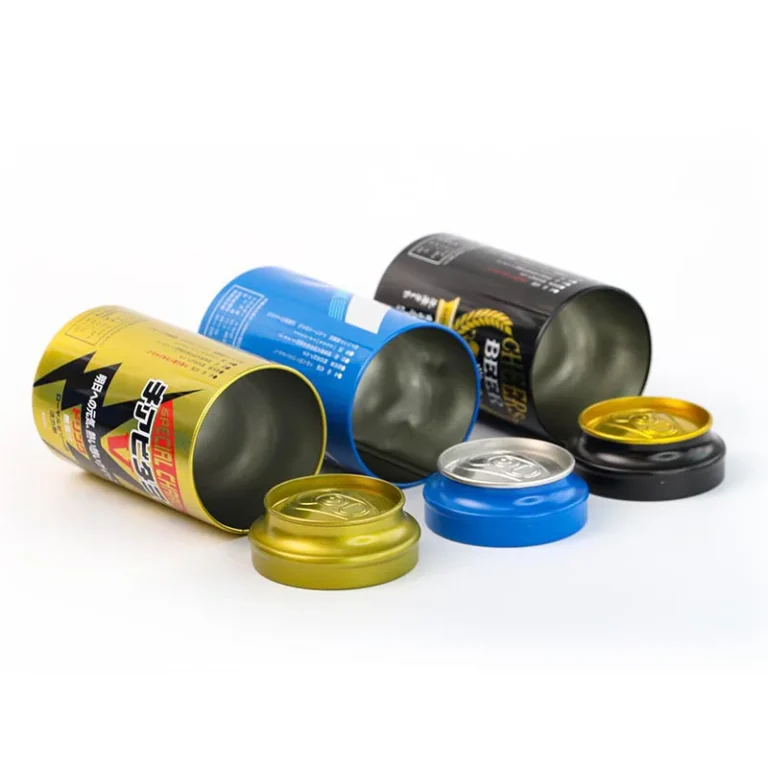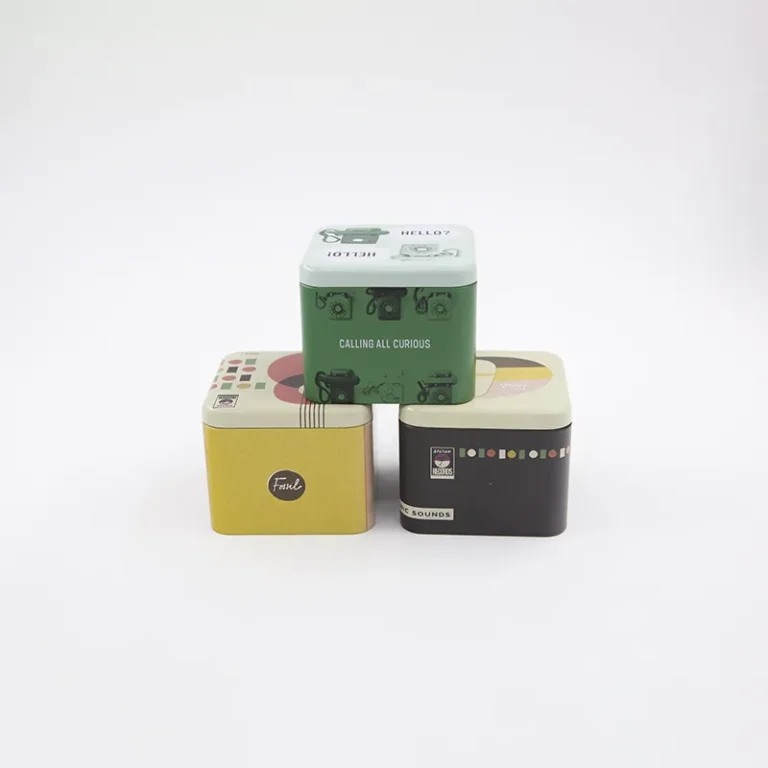

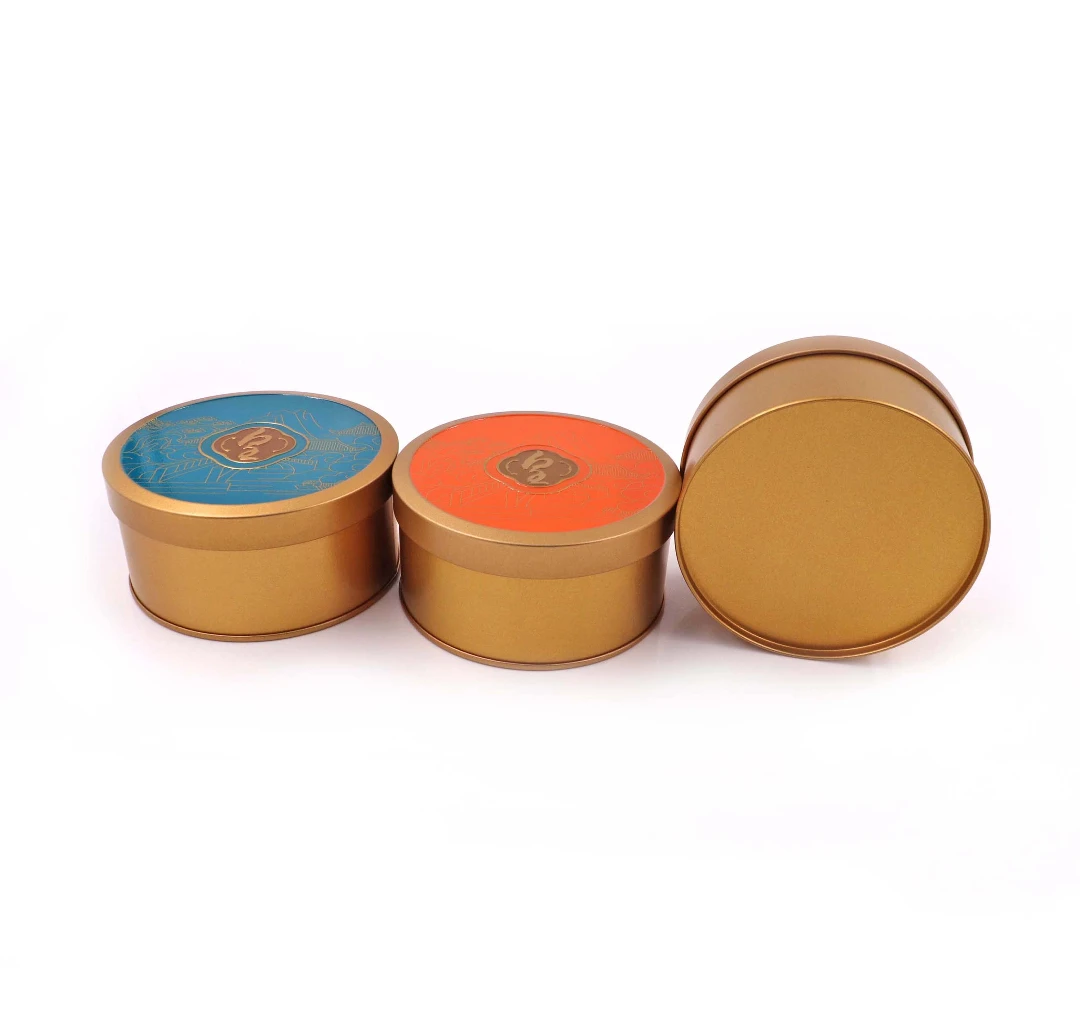

Sustainable brands are under pressure—from regulators, retailers, and consumers—to reduce waste, cut carbon, and prove it with credible data. Metal packaging (steel, aluminum, and tinplate solutions like cans and custom tins) is evolving quickly to meet those expectations, with innovations that improve circularity, safety, lightweighting, and brand storytelling. Done well, metal packaging can help you protect product quality, simplify recycling, and communicate sustainability without overpromising.
In this guide, I’ll break down the most important metal packaging innovations you can use today, explain them in plain language, and show how to select the right factory partner to execute them reliably.
Table of Contents
Why Metal Packaging Works for Sustainable Brand Strategies
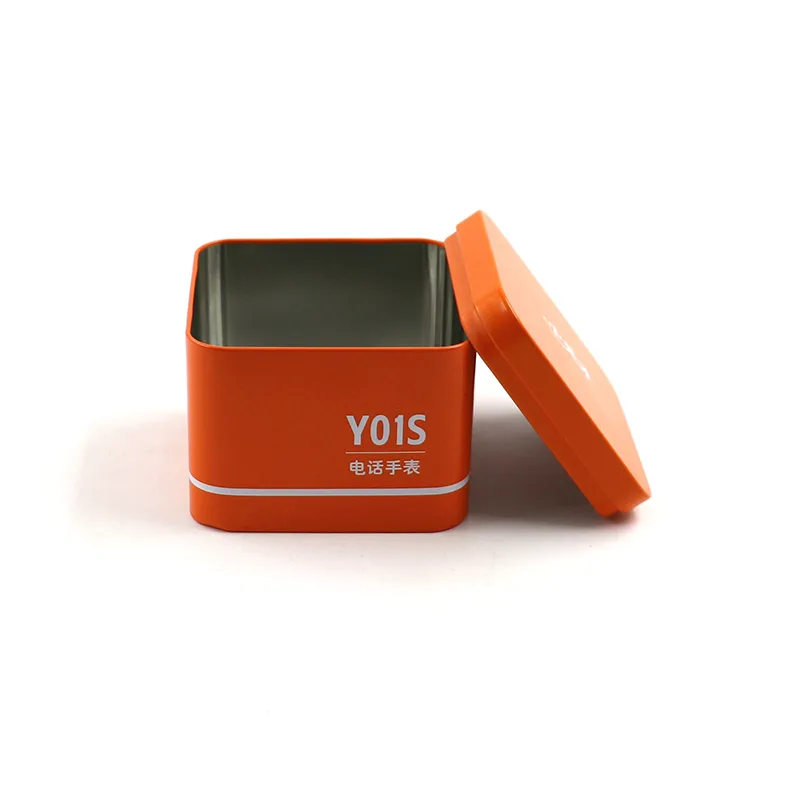
Metal is having a “sustainability moment” for practical reasons, not marketing hype. Metal packaging is widely collected, mechanically recyclable, and economically valuable as scrap, which helps support real-world recycling systems. For example, steel packaging recycling in Europe has been reported at record levels (84%) under harmonized methodologies, reinforcing steel’s strength in established recycling infrastructure. Metal Packaging Europe+1
Circularity that consumers can understand
Most consumers already “get” the idea that metal can be recycled, and that matters for behavior at the bin. Aluminum beverage cans, in particular, are often used as a benchmark for circularity, and a recent global study reported a 75% global recycling rate for aluminum beverage cans (2023)—a strong signal of system maturity. International Aluminium Institute
Strong protection means less product waste
Sustainability is not only about the package—it’s also about the product inside. Metal packaging provides strong barriers against oxygen, light, and moisture in many formats, which can help reduce spoilage and damage during transport. When product waste drops, total environmental impact often drops with it, especially for high-footprint products like coffee, nutrition powders, and premium cosmetics.
Premium feel without “extra stuff”
Sustainable brands want packaging that looks premium but does not rely on mixed materials that complicate recycling. Metal can deliver shelf impact using structural design—embossing, debossing, texture, and form—rather than layering plastics, laminations, or complex decorations.
Materials Innovation: Lighter, Stronger, and More Recycled Content
Modern metal packaging design is increasingly about doing more with less. Factories now use improved alloys, optimized geometry, and smarter forming to reduce material usage while keeping strength and performance.
Lightweighting through engineering, not compromise
Lightweighting is no longer a blunt “make it thinner and hope” approach. Many factories now use:
- Better bead/rib features for stiffness, so panels resist denting even with less material.
- More accurate forming and tighter tolerances, reducing scrap and rework.
- Simulation tools (forming analysis) to predict weak points before cutting tooling.
These changes can reduce material use while protecting the customer experience, which is critical for DTC shipping and premium gifting.
High-recycled-content supply and verified sourcing
Brands frequently ask for high recycled content, but the more sophisticated approach is to ask for verified sourcing and documentation. In the aluminum can ecosystem, industry KPI reporting has become more structured, with published sustainability indicators intended to improve transparency and comparability. Aluminum Association
For steel, the recycling story is strengthened by steel’s recovery characteristics. Steel’s magnetic properties help it be separated from waste streams, improving recovery in many material recovery facilities. worldsteel.org
Responsible material certifications are becoming a sourcing advantage
If your brand sells to enterprise retailers or regulated markets, certifications can materially reduce onboarding friction. For steel-related supply chains, ResponsibleSteel certification is increasingly referenced as a credible, multi-stakeholder indicator of environmental and social performance at steel sites. ResponsibleSteel+1
Coatings and Linings: Safety, Compliance, and the Post-BPA Landscape
For food, beverage, and many personal-care products, coatings/linings are not optional—they are essential for corrosion resistance and product compatibility. Innovation here is moving fast, largely driven by regulation and consumer expectations.
The EU regulatory shift on BPA is a major inflection point
If you sell into the EU (or your buyers do), you must track regulatory changes closely. The EU has adopted Commission Regulation (EU) 2024/3190, which addresses the use of bisphenol A (BPA) and other bisphenols in certain food contact materials and articles. EUR-Lex+1
This is not just a legal detail—it affects coating selection, testing plans, lead times, and sometimes cost. It also changes how you should phrase claims on packaging and in marketing.
What “BPA-NI” does (and does not) mean
“BPA-NI” generally means “BPA non-intent,” i.e., BPA is not intentionally used in the formulation. It does not automatically mean “zero migration” or “risk-free,” and responsible brands avoid absolute language unless supported by appropriate testing. If you are in regulated categories, plan for migration testing and supplier declarations aligned to your target market requirements.
U.S. regulatory context still matters for global brands
In the U.S., FDA actions and updates have influenced market direction, including changes related to BPA-based epoxy resins in certain applications (e.g., infant formula packaging). U.S. Food and Drug Administration
Even if you do not sell infant products, these shifts often accelerate reformulation and innovation across broader coating portfolios.
Design for Recycling: Innovations That Keep Metal Packaging “Clean” in the Stream
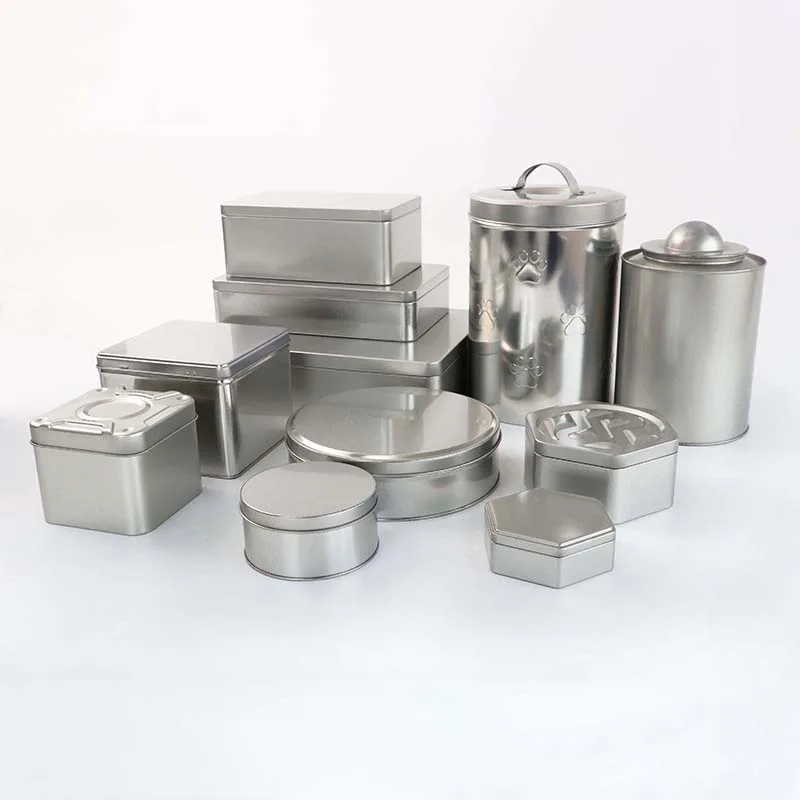
In sustainability terms, “recyclable” is not just a material property—it’s also a design outcome. The fastest-growing innovation area is design for recycling, ensuring the package behaves well in real recycling systems.
Moving toward mono-material thinking (even when components exist)
Many metal packages include non-metal components: seals, liners, windows, labels, or overcaps. Better designs make these components:
- Minimal in size and mass.
- Easy to remove (consumer-friendly separation).
- Compatible with recycling processes where possible.
A good factory will proactively advise you on which decorative choices might create downstream issues.
Low-impact decoration: structure over layering
Premium looks can be achieved without complex multi-material builds. Consider:
- Emboss/deboss patterns and tactile finishes.
- Metallic inks and varnish strategies that reduce heavy label usage.
- Direct printing systems designed to reduce solvent emissions and material consumption.
If your brand story emphasizes recyclability, these design choices matter as much as the recycled-content percentage.
Space efficiency is becoming a compliance and cost issue
Regulators and retailers increasingly target “empty space” and shipping inefficiency. EU-level packaging policy debates and final rules have emphasized packaging waste reduction and recyclability targets, which indirectly pushes brands toward efficient, right-sized formats. Reuters+1
Manufacturing Innovations: Lower Waste, Higher Consistency, Better Economics
Sustainable packaging is not only about the finished item; it is also about how the factory makes it. The best metal packaging factories innovate in process control, energy use, and defect prevention.
Scrap reduction is a direct sustainability win
Metal scrap is recyclable, but scrap still represents:
- Extra energy to remelt or reprocess,
- Extra handling and yield loss,
- Higher effective cost and emissions.
Modern factories reduce scrap through better die design, inline inspection, tighter process windows, and preventive maintenance programs.
Digital tooling and faster prototyping reduce development waste
Prototyping used to be slow and tooling-heavy. Today, leading suppliers use:
- Faster sampling workflows (including rapid prototype tooling strategies),
- Better pre-production proofing for decoration,
- Improved CAD/CAM integration to reduce iterations.
This matters for sustainable brands because it reduces “trial cycles” and accelerates responsible launches.
Clean operations and auditable systems are becoming buyer requirements
More buyers now ask for documented environmental programs, not only product specs. That includes measurable KPIs (electricity use, waste rate, defect rate, recycled scrap handling) and credible third-party frameworks. Certifications and published standards can reduce the “trust gap” in international sourcing.
Reuse and Refill: Where Metal Packaging Can Lead (If the System Is Real)
Not every brand needs reuse, but where it fits, metal packaging is structurally well suited. The key is to design around a system, not a single object.
Durable formats for refill programs
Custom tins can be intentionally designed for:
- Durable hinge performance,
- Refill pouch compatibility,
- Long-life decoration (scratch resistance),
- Consumer retention (kept as storage).
This approach works especially well for tea, coffee, confectionery, wellness products, and some cosmetics.
Reuse must be measured honestly
Reuse is not automatically “better” in every geography or category, and credible organizations have emphasized measurement frameworks rather than assumptions. The Ellen MacArthur Foundation, for example, has published guidance on measuring reuse in packaging systems to improve comparability and integrity of reporting. content.ellenmacarthurfoundation.org+1
Deposit-return policy momentum affects beverage and beyond
Deposit return systems (DRS) and collection targets can materially improve circularity outcomes for packaging. EU policy reporting has discussed high collection targets and the role of DRS in improving capture rates, which is relevant if you sell beverages or plan expansions into regulated markets. Reuters
Smart and Connected Metal Packaging: Sustainability Meets Transparency
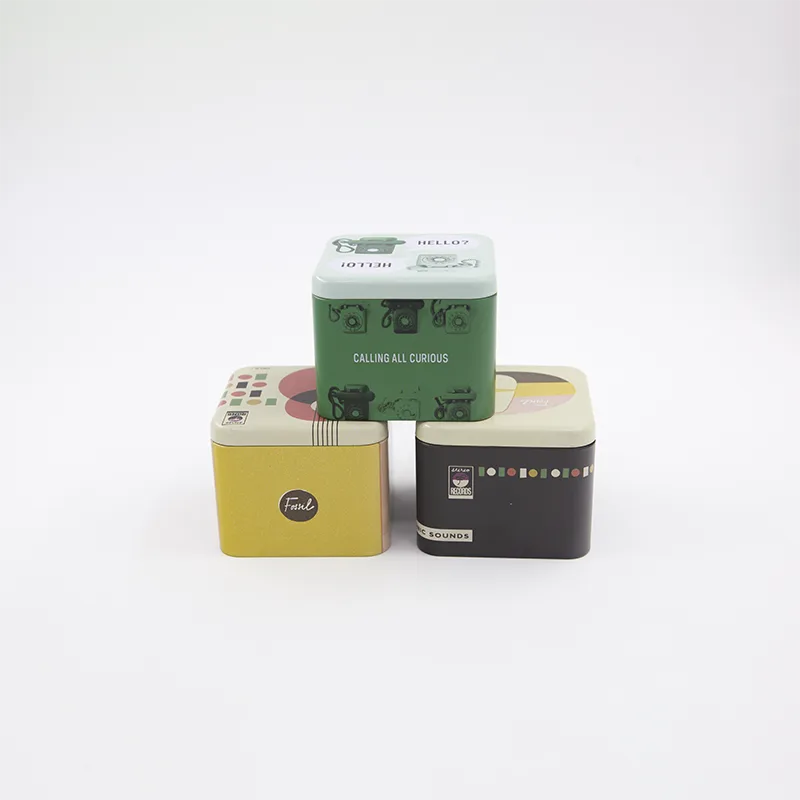
Connected packaging isn’t only a marketing trick. For sustainable brands, it can support traceability, compliance, and better recycling behavior.
QR codes for “proof,” not fluff
A QR can link consumers to:
- Material and recycling instructions by region,
- Certificates and test summaries,
- Supply chain sourcing statements,
- Refill program instructions and incentives.
If you sell premium goods, QR-based storytelling can reduce the need for extra inserts and printed materials.
Anti-counterfeit and authentication features reduce waste
Counterfeiting creates waste: returns, destroyed inventory, and reputational damage. Metal packaging can incorporate authentication features through structural design, unique codes, or printing methods that are difficult to replicate. That can reduce churn and product disposal, especially for premium cosmetics and nutrition categories.
Measuring Sustainability Claims: LCA, Carbon Accounting, and What to Ask For
Serious sustainable brands avoid vague claims and instead build a measurement package around metal packaging decisions. This is where many competitors fail—and where you can stand out.
Use recognized LCA standards, not “made-up math”
If you are comparing packaging options (metal vs. plastic vs. paper composites), align your analysis with established LCA standards:
A credible factory partner can support data collection, but you should control the assumptions and ensure consistent boundaries across options.
Align GHG reporting to accepted frameworks
If you publish emissions estimates, you should map your approach to widely used accounting frameworks such as the GHG Protocol Corporate Standard. GHG Protocol+1
This reduces reputational risk and makes your reporting easier to explain to enterprise buyers and auditors.
Recycled content vs. recycling rate: avoid the trap
High recycled content can be positive, but it is not the only signal of circularity. A package that is consistently captured, sorted, and recycled can outperform a high-content package that is poorly recovered in the real world. Steel’s recoverability—helped by magnet-based separation—is one reason it is often positioned strongly in circular economy discussions. worldsteel.org+1
Policy and Compliance Trends That Influence Metal Packaging Choices
Even if you are not a policy expert, you should track a few key signals because they directly affect design decisions, materials, and labeling.
The EU Packaging and Packaging Waste Regulation is now real law
The EU has adopted Regulation (EU) 2025/40 on packaging and packaging waste, with published timelines and implementation phases that will affect many categories over time. EUR-Lex+1
If your brand sells into the EU or supplies EU-facing retailers, your metal packaging roadmap should anticipate these changes rather than react late.
Chemical compliance is tightening
Beyond BPA/bisphenols, regulators and retailers are increasingly focused on chemical safety in food contact applications and broader packaging supply chains. Your packaging program should include supplier declarations, test plans, and controlled change management, especially when switching coatings or inks.
Practical Innovations Sustainable Brands Can Implement Now
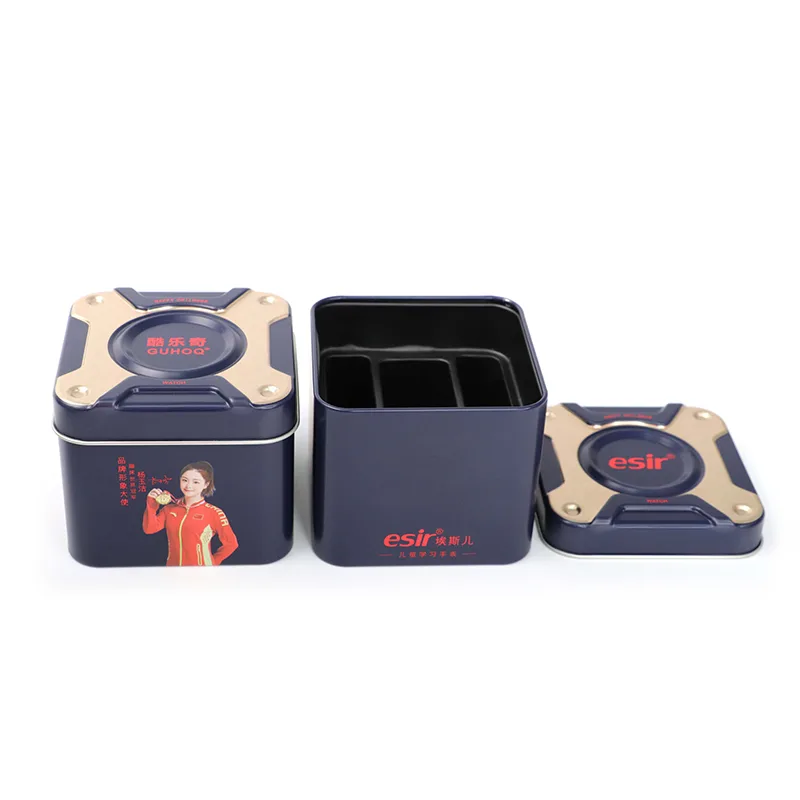
Innovation is only valuable if it ships reliably. Below are high-impact options that many sustainable brands can implement without building an entirely new packaging system.
Upgrade your decoration strategy
You can often improve sustainability performance by changing how you decorate, not what you pack. Consider:
- Reducing label area or shifting to direct print where feasible.
- Using structural branding (emboss/deboss) to reduce additive materials.
- Simplifying color layers to reduce ink complexity.
Each of these can reduce material inputs and improve recyclability outcomes, while still improving shelf impact.
Design for logistics efficiency
Right-sizing tins and secondary packaging can reduce shipping emissions and damage rates. EU policy discussions around packaging waste have also put “packaging efficiency” under greater scrutiny, which makes this a future-proof design priority. Reuters+1
Build a compliance-first coating plan
If you sell food, beverages, or ingestible wellness products, treat coatings as a core engineering decision. Plan your coating selection around target-market rules, supplier declarations, and testing requirements—especially in markets affected by the EU bisphenol regulation. EUR-Lex+1
How to Select the Right Factory for Innovative Metal Packaging
Even the best concept can fail with the wrong supplier. Sustainable brands should evaluate factories with a mix of technical capability, compliance maturity, and operational transparency.
Technical capability checklist (what to verify early)
A qualified metal packaging factory should be able to demonstrate:
- Similar projects delivered (size, category, decoration complexity).
- Tooling development capability and sampling speed.
- Quality control methods (incoming, in-process, final inspection).
- Process stability metrics (defect rate, scrap rate, rework rate).
You do not need to be an engineer to ask for these; a good factory will explain in plain language and back it with records.
Sustainability and compliance checklist (what reduces risk)
Ask for:
- Documented material traceability and supplier approvals.
- Coating/ink compliance documentation for your target market(s).
- Change-control procedures (so a “minor tweak” doesn’t become a compliance issue).
- Third-party certifications where relevant (e.g., ResponsibleSteel in steel-related sourcing contexts). ResponsibleSteel+1
Communication and project control (what prevents delays)
Many projects slip due to unclear specs and uncontrolled revisions. Strong factories will offer:
- Structured proofing for artwork and color targets,
- Pre-production samples with sign-off gates,
- Packaging drop tests (if you ship DTC),
- Clear timelines for tooling, sampling, and mass production.
At MrTinBox, this is exactly where we focus: turning sustainability-driven concepts into repeatable factory execution through tight specs, disciplined sampling, and export-ready documentation.
Turning Metal Packaging Innovation into Brand Growth
For sustainable brands, metal packaging is no longer just “a recyclable option.” It is a platform for circularity, compliance, premium design, and credible storytelling—especially as regulations tighten and consumers demand proof. The smartest path is to combine material and coating innovations with design-for-recycling discipline and measurable reporting aligned to recognized standards.
If you want, share your product category (food, beverage, cosmetic, wellness, etc.), target market (US/EU/UK/Canada), and your preferred format (tin, can, jar-style tin, hinged tin, slip lid). I can propose a factory-ready specification outline—including decoration approach, compliance plan, and a sustainability claims checklist—so your next metal packaging launch is both premium and defensible.