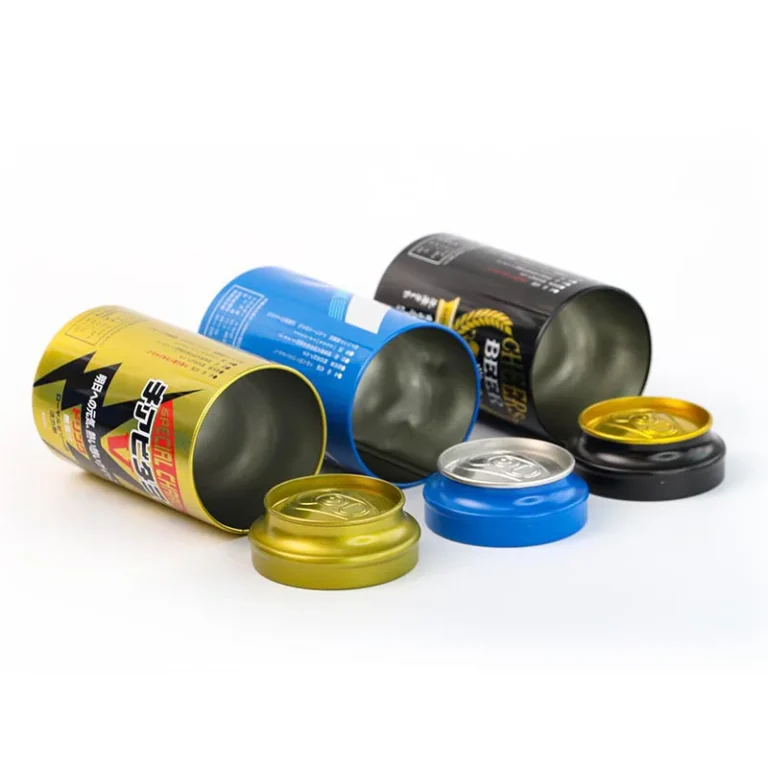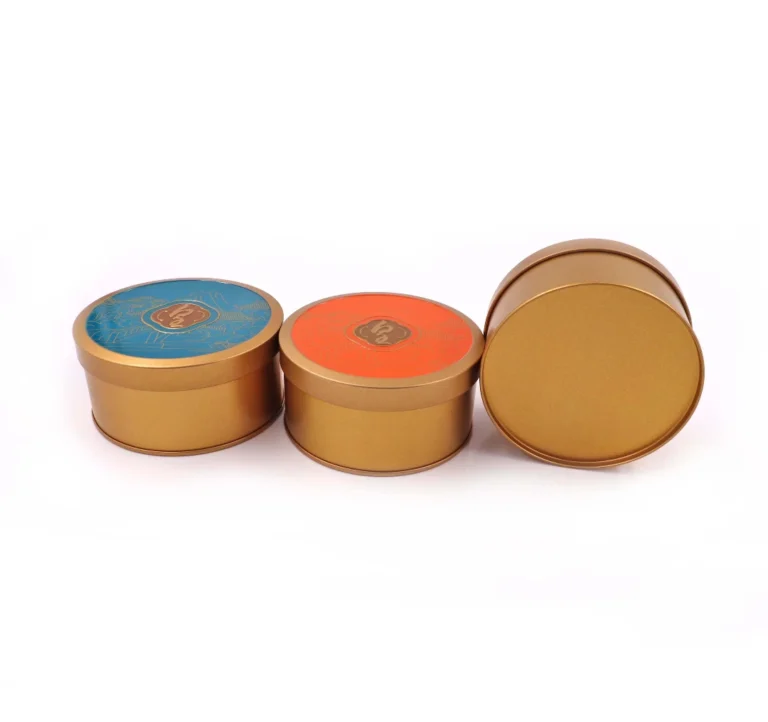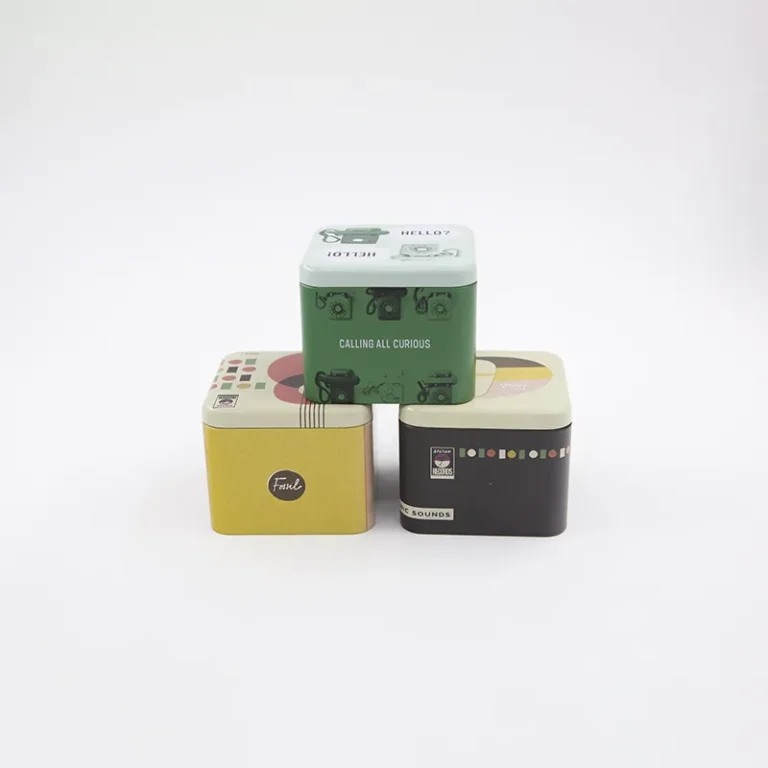

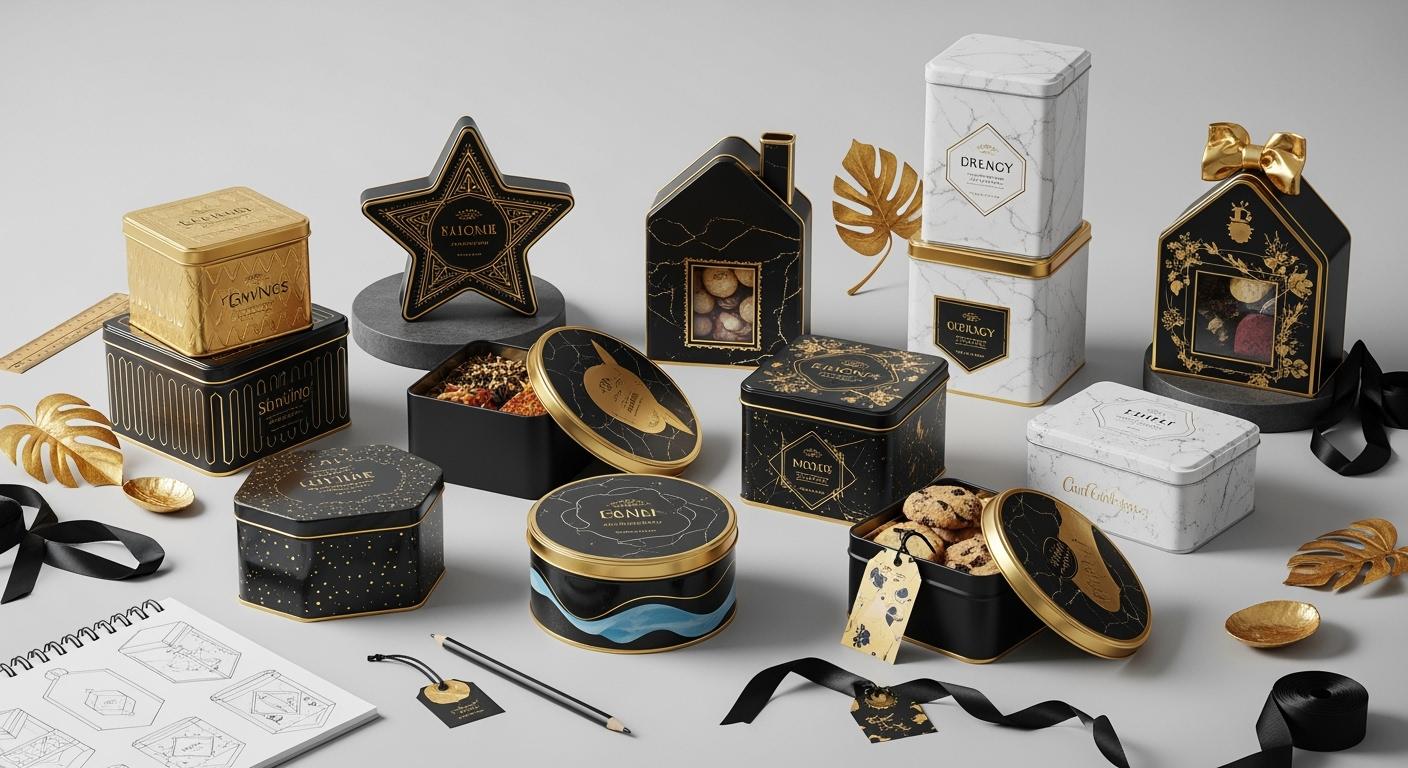

Modern metal packaging is no longer “just a container.” It is a protective system, a brand touchpoint, a sustainability signal, and—depending on your category—a meaningful part of the customer experience. When a buyer picks up a tin, a can, or a premium metal box, they are evaluating more than the product inside; they are judging your quality standard, your attention to detail, and your brand’s credibility.
In this guide, we break down practical design principles behind today’s best-in-class metal packaging solutions. You will see how to balance protection, manufacturability, branding, cost control, and circularity—so your next metal packaging project is easier to produce, easier to ship, and easier for customers to love.
Table of Contents
What “Modern” Means in Metal Packaging Today

Modern metal packaging design is shaped by a few market forces. Recognizing them early prevents a common failure mode: a package that looks premium in a render but is expensive, unstable, or inconsistent in real production.
Premiumization and shelf impact
In cosmetics, confectionery, specialty tea, and gift sets, metal packaging is often chosen because it communicates premium value instantly. The weight, crisp edges, and finishing options (matte, gloss, embossing) create a “pick-me-up” moment on shelf. When designed well, the package becomes part of your product’s perceived value, not just a cost.
E-commerce stress and delivery reality
E-commerce changed packaging expectations. Your metal packaging must survive sorting belts, courier drops, and friction against other parcels while still arriving “photo-ready” for unboxing. Modern designs therefore emphasize robust structures, scuff-resistant finishes, and controlled tolerances—because online buyers tend to be less forgiving than in-store shoppers.
Sustainability expectations and circularity
Sustainability is no longer a niche preference. Buyers, retailers, and regulators increasingly expect packaging to be resource-efficient, recyclable, and supported by credible claims. Metals have a strong story here, but only if the design avoids mixed-material complexity that is hard to separate at end-of-life.
Faster product cycles and personalization
Brands want limited editions, seasonal graphics, and short-run promotions without committing to “forever tooling.” Digital printing, modular artwork, and flexible finishing packages are now part of the modern metal packaging toolkit. The best designs anticipate these cycles so updates do not require redesigning the entire structure.
Start With the Product: Protection First, Aesthetics Second
The most beautiful metal packaging fails if it cannot protect the product consistently. Modern design starts with product risks—then builds the structure, coating, and closure system around those risks.
Barrier requirements: oxygen, moisture, light, and aroma
Metal packaging naturally performs well as a barrier, but you still need to match the design to your product’s sensitivity. Coffee and tea care about aroma and moisture, while nutraceuticals may care about oxygen and light. If you define your barrier target early, you can choose the right lid style, sealing method, and internal lining without expensive rework.
Food safety and chemical compatibility
For food, beverage, and cosmetics, interior coatings matter as much as the metal itself. Coatings are selected to prevent corrosion, prevent interaction with the product, and maintain taste or fragrance integrity. If your product is acidic, salty, oily, or contains active ingredients, you should validate compatibility with the intended lacquer under real storage conditions.
Tamper evidence and trust signals
Trust is a design feature. Tamper-evident structures, secure closures, and clear “first-open” cues reduce disputes and increase repeat purchase. Even for non-food categories, a well-designed closure communicates quality and lowers the risk of accidental opening during shipping.
Mechanical protection and damage prevention
The metal body protects against crushing, but edges, corners, and lids can still deform if poorly designed. Drop testing and compression testing are inexpensive compared to the cost of damaged goods and negative reviews. Modern metal packaging design includes protective features such as reinforced corners, stable lid engagement, and controlled headspace for sensitive contents.
Material Selection: Tinplate, Aluminum, Stainless Steel, and Hybrid Options
Selecting the right material determines formability, strength, finishing compatibility, cost, and sustainability performance. In modern metal packaging, “material” also includes coatings, surface treatments, and how parts are joined.
Tinplate and steel: strength, versatility, and classic performance
Tinplate (steel with a tin coating) remains one of the most widely used materials for metal tins and boxes. It offers strong structural performance, good printability, and cost-effective forming for many shapes. Steel’s recyclability is a major advantage, and industry sources note that steel is 100% recyclable and can be recycled repeatedly without downgrading. For background, see the World Steel Association’s life-cycle and recycling discussion. worldsteel.org
Aluminum: lightweight premium and strong circularity narrative
Aluminum is popular when weight reduction matters or when a sleek, modern appearance is part of the brand language. It can perform extremely well with appropriate coatings and is frequently positioned as a circular material. The International Aluminium Institute reports that recycled aluminum can use dramatically less energy than primary production (often summarized as ~95% energy savings), which is why recycling and recycled content are central to many aluminum packaging strategies. See the IAI explanation here: Aluminium recycling saves ~95% energy. International Aluminium Institute
Stainless steel: reuse, refill, and long-life packaging
Stainless steel is typically selected for durable, reusable packaging—such as refill systems, long-life storage containers, or ultra-premium gift packaging. It costs more, but it supports “keepsake” positioning and can withstand repeated use. If your strategy includes reuse, stainless steel becomes a design-led brand asset rather than a disposable cost.
Coatings, liners, and material interfaces
Many metal packages combine metal with coatings, gaskets, inks, or small plastic parts. Modern design minimizes complexity while maintaining performance, especially when the product needs an airtight seal. When a non-metal component is unavoidable, design it to be small, easy to remove, and easy to separate at end-of-life so your sustainability story stays credible.
Geometry and Structure: Designing Metal Packaging for Manufacturability

A strong metal packaging concept is not only “shape-first.” It is “manufacturing-first,” because the best designs are those that can be produced with stable tooling, predictable yield, and repeatable quality.
Use reasonable radii, draw depths, and wall proportions
Sharp corners and extreme draw depths look impressive in 3D renders, but they increase forming risk (wrinkling, thinning, cracking). Generous corner radii and balanced wall proportions reduce forming stress and improve consistency across production batches. If you are planning deep-drawn shapes, ask your supplier to review draw ratios and material thickness early to avoid tooling revisions.
Design for tolerances and lid fit
Lid engagement is where customers “feel” quality. If tolerances are too tight, lids jam; if too loose, lids rattle and may leak (or simply feel cheap). Modern metal packaging design treats lid fit as a system: body tolerance, lid tolerance, gasket compression, and user opening force must align to create a closure that feels smooth and secure.
Nesting, stacking, and warehouse efficiency
A modern metal packaging solution should consider how units nest or stack for shipping and storage. Good stacking reduces carton volume, lowers freight costs, and improves warehouse handling. It also reduces scuffing and paint abrasion when packages move in bulk.
Hinges, closures, and moving parts
Hinged tins and complex closures add perceived value, but they also add risk if not engineered properly. Hinges must align consistently, resist deformation, and survive repeated opening cycles. If you plan a hinge, treat it like a mechanical component—because it is one.
Lightweighting without losing the “premium feel”
Lightweighting is a sustainability and cost lever, but it must not compromise structural integrity. The guiding principle is to reduce material where it does not add function and reinforce where stress concentrates (corners, lid edges, hinge zones). Done well, lightweighting cuts cost while keeping the premium hand-feel customers expect from metal packaging.
User Experience: Opening, Dispensing, and Resealability
Great metal packaging is intuitive. The customer should understand how to open it, how to use it, and how to close it again—without instructions.
Lid types and what they communicate
Slip lids are classic and cost-effective, but they must avoid sharp edges and inconsistent engagement. Hinged lids create convenience and are ideal for daily-use products like mints, candies, and grooming items. Screw lids communicate security and premium quality, but require tighter thread tolerances and careful coating selection.
Senior-friendly and child-resistant considerations
Some categories require child-resistant features, while others benefit from senior-friendly ergonomics. The principle is to match opening force and motion to the intended user group. If you need both safety and accessibility, consider dual-action openings and validate them with practical user testing.
Dispensing features that reduce waste
Dispensing inserts, sifting lids, and controlled openings can improve product experience and reduce waste. These features should be designed for easy cleaning and minimal parts. When possible, integrate dispensing geometry into the metal structure instead of adding separate components.
Tactile cues and “quality feel”
The click of a latch, the smooth resistance of a lid, and the feel of embossing can be as persuasive as graphics. Modern metal packaging uses texture, weight distribution, and closure sound as intentional brand elements. This sensory engagement is a major reason metal packaging performs well in premium categories.
Graphics and Finishing: Where Metal Packaging Becomes a Brand Asset
Metal packaging gives you a broad finishing toolbox, but modern design applies it strategically. The goal is not “more effects,” but “the right effect in the right place.”
Printing choices: offset lithography vs digital printing
Offset lithography is excellent for higher-volume runs with strong color consistency and cost efficiency. Digital printing supports lower MOQs, rapid iterations, and personalization. If your brand runs seasonal launches or regional variants, digital printing can reduce lead time and simplify inventory management.
Embossing and debossing for tactile differentiation
Embossing and debossing create a premium tactile signature with strong shelf appeal. Use them to highlight brand marks, patterns, or one or two key elements rather than applying them everywhere. Overuse can clutter the design and increase forming complexity.
Matte, gloss, soft-touch, and metallic effects
Finishes shape perception. Matte can feel modern and refined, gloss can feel vibrant and gift-like, and metallic effects can reinforce the inherent value of metal packaging. If your product will be handled frequently, select finishes with good scuff resistance and consider protective varnishes or overcoats.
Color management and consistency across SKUs
Metal surfaces reflect light differently than paper, so color proofing is essential. A robust process includes digital proofs, physical samples, and defined color references (Pantone targets, density tolerances). This avoids “surprise shifts” between batches and maintains brand integrity across product lines.
Compliance labeling without killing design
Legal text and barcodes do not have to ruin aesthetics. Reserve a dedicated label zone, use clear hierarchy, and plan the layout so compliance elements look deliberate. If you sell in multiple markets, design modular label areas so you can localize without redesigning the entire artwork.
Sustainability by Design: Circularity, Reuse, and Credible Claims
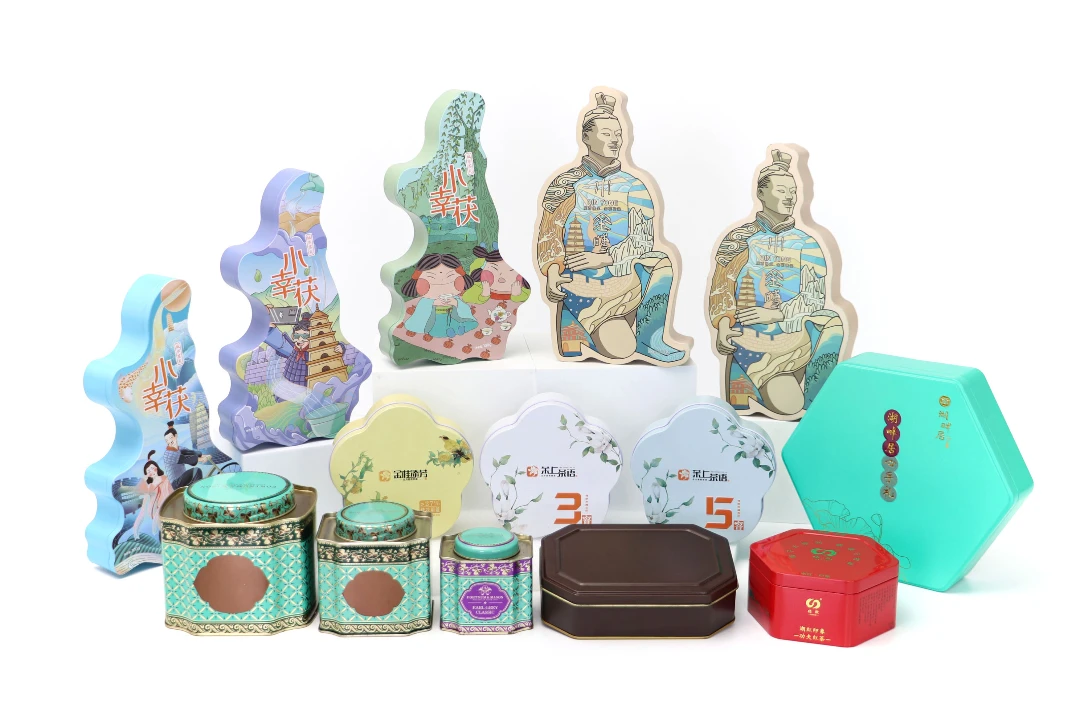
Sustainability is most powerful when it is designed in, not explained later. In modern metal packaging, sustainability is typically a combination of material choice, material efficiency, and end-of-life planning.
Recognize metals’ circular advantage—then protect it in the design
Steel and aluminum are widely recognized for recyclability, but packages must be designed so those materials can actually be recovered. Steel’s recyclability and established scrap infrastructure are frequently emphasized by industry sources (including discussions of scrap-based production and repeat recyclability). worldsteel.org
For aluminum, the energy advantage of recycling is one reason it is positioned as a circular solution, with industry sources quantifying the energy difference between primary and recycled production. International Aluminium Institute+1
Design for recycling: keep it simple and easy to separate
If your metal packaging includes plastic windows, large magnets, mixed laminations, or glued-on decorations, it can be harder to recycle efficiently. The modern principle is “mono-material first,” and “easy disassembly second.” If a non-metal component is necessary, design it to be removable without tools and small enough not to disrupt metal recycling streams.
Lightweighting and material efficiency as a practical win
Lightweighting reduces the environmental footprint and shipping cost at the same time. It also improves supply resilience because thinner gauge material can increase yield per coil or sheet. Lightweighting must be validated for dent resistance and closure performance, but when executed carefully it is one of the most straightforward modern improvements in metal packaging.
Reuse and refill: metal packaging as a long-life platform
Many brands explore refill models to reduce waste and increase customer retention. Metal packaging is a natural fit due to durability and premium perception. If reuse is your goal, design the package to be easy to clean, corrosion-resistant, and visually timeless so customers want to keep it.
Use recognized standards and rules to support sustainability claims
Avoid vague claims like “eco-friendly.” A stronger approach is to align with recognized frameworks and market rules. The ISO 18601 family provides a structured approach to evaluating packaging and environmental considerations across the life cycle; reference: ISO 18601: Packaging and the environment. ISO
If you sell into Europe, understand the scope and expectations of EU packaging rules; the EU framework covers packaging placed on the market and its waste outcomes, supporting prevention, reuse, and recycling measures. Reference: EU summary on packaging and packaging waste. EUR-Lex+1
Compliance and Risk Management: Design Around Regulations Early
Regulatory compliance is not a checkbox at the end. In metal packaging, it can affect coatings, inks, and even structural design, so it should be addressed from day one.
Food contact considerations: coatings and migration risk
If your metal packaging touches food, beverage, or cosmetics directly, interior coatings and compliance documentation are critical. Regulations vary by region, but the risk patterns are similar: prevent corrosion, prevent undesirable migration, and maintain performance across shelf life. For U.S. context on how coating-related expectations evolve, see the FDA information page on BPA and food-contact applications: FDA: Bisphenol A (BPA) use in food contact applications. U.S. Food and Drug Administration
Labeling, traceability, and market access
Modern metal packaging frequently crosses borders. That means you may need batch codes, traceability marks, warning labels, or multi-language variants. A good design system anticipates label zones and code placement so compliance does not destroy the visual balance of the package.
Chemical restrictions and emerging topics
Regulatory expectations can shift quickly around substances of concern. Design teams should track customer requirements and region-specific restrictions for coatings and additives. If you are unsure, treat this as a risk-management item and request compliant coating options and declarations from your supplier.
Not legal advice, but absolutely a design priority
You should consult compliance specialists for your target markets when needed. However, the design principle remains: if compliance is not considered early, late-stage changes can be expensive and disruptive. A supplier experienced in global metal packaging programs can reduce risk by identifying common pitfalls upfront.
Engineering for Speed: Compatibility With Filling Lines and Automation
Metal packaging must work in real production environments, not only in product photography. If your packaging will be filled on automated equipment, align the design with machinery realities.
Dimensional consistency and handling features
Automated lines depend on repeatability. Flatness, concentricity, and consistent height prevent jams and misfeeds. If your packaging includes a lid, ensure the lid system does not create variability that disrupts downstream packing.
Closing performance: seaming, crimping, and controlled force
If you use seamed or crimped closures, the design must align with closing geometry, material hardness, and coating behavior. A practical approach is to prototype under conditions similar to your real line. This reduces surprises, prevents downtime, and lowers scrap.
Cleanliness and cosmetic quality
For premium categories, small defects matter. Dust, oil marks, and micro-scratches can downgrade perceived quality immediately. Modern metal packaging programs therefore include handling controls, protective packing methods, and clear cosmetic acceptance standards.
Case packing and palletization strategy
Packaging design affects secondary packaging. If your metal packaging stacks securely in cartons, you reduce labor and improve shipping efficiency. When possible, align unit dimensions to standard carton footprints so logistics remains cost-effective at scale.
Cost Drivers and How Smart Design Reduces Total Cost
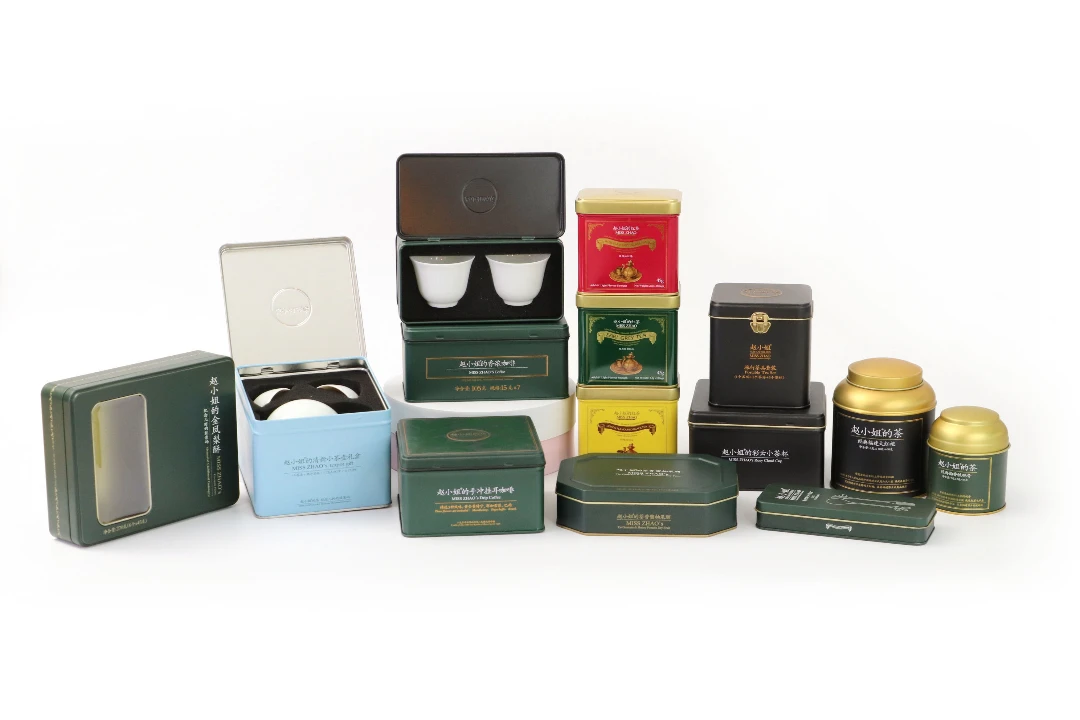
Modern metal packaging can be cost-competitive when you consider total value, not only unit price. A good design reduces scrap, reduces damage, and reduces operational complexity.
Tooling strategy: choose the right path for your volume
Deep drawing, stamping, and progressive tooling can deliver precision, but cost depends on complexity and tooling life. If your project is short-run, simpler geometry with premium finishing can achieve high perceived value without heavy tooling investment. If it is long-run, robust tooling improves consistency and reduces per-unit cost.
Material yield and blank layout matter more than many brands expect
Small shape decisions can change material usage significantly. A round tin may yield better from sheet layouts than an irregular silhouette. Modern design includes blank optimization early because it directly impacts cost and sustainability.
Finishing complexity is often the hidden cost
Special inks, multi-layer coatings, and complex effects can add cost and lead time. Use finishing strategically: emphasize brand marks and customer touchpoints while keeping larger surfaces stable and simple. This preserves premium perception and keeps production predictable.
Treat MOQ and lead time as design variables
MOQ is not only a purchasing term; it is a design consideration. If you anticipate frequent artwork updates or promotions, design your metal packaging platform and artwork zones to support shorter runs. A supplier with efficient printing workflows can make modern campaigns practical without excessive leftover inventory.
Prototyping Workflow: From Concept to Production-Ready Metal Packaging
Metal packaging projects succeed when development is disciplined. Modern design is iterative: concept, validate, refine, then scale.
Step 1: clarify the brief and success metrics
Define the category, shelf-life needs, target retail price, and brand positioning. Then define success metrics such as drop performance, sealing performance, or cosmetic thresholds. If you cannot measure success, controlling cost and quality becomes difficult.
Step 2: build a realistic dieline and 3D model
Convert the concept into a dieline and structure that reflects manufacturing limits. This is where radii, lid fit, artwork zones, and compliance zones are finalized. It is far cheaper to adjust now than after tooling begins.
Step 3: prototype in stages
Early samples can validate look and feel with simplified tooling. Later samples should match final material, coating, and closure so testing is meaningful. This approach protects budget because you do not over-invest before direction is confirmed.
Step 4: test like the real world
Test opening cycles, drop impacts, abrasion, corrosion resistance, and sealing performance. If your product ships through multiple climates, test temperature and humidity changes. Real-world testing is one of the highest ROI activities in metal packaging development.
Step 5: lock specifications and control the process
Once the design is proven, lock material grade, thickness, coating type, color references, tolerances, and inspection methods. Consistency comes from consistent inputs. For repeat programs, documentation becomes a long-term asset that protects brand quality.
Common Design Mistakes in Metal Packaging and How to Avoid Them
Even strong brands make avoidable mistakes in metal packaging projects. Knowing them early protects schedule, budget, and customer satisfaction.
Mistake 1: designing a shape before understanding tooling reality
Some shapes look great but require unstable forming or overly complex tooling. Involve manufacturing early and choose geometry aligned with the production method. A “manufacturable premium” design usually wins over a “perfect render” that fails at scale.
Mistake 2: overcrowding the artwork
Metal packaging can look cluttered once compliance elements are added. Overcrowding reduces premium perception and increases printing risk. Use hierarchy and whitespace, and reserve a structured compliance zone.
Mistake 3: ignoring closure performance until late
If you treat the lid as an afterthought, you risk leaks, rattling, or a cheap feel. A strong closure is engineered and validated early because it is the most frequent customer interaction point. Great metal packaging is often remembered by how it opens and closes.
Mistake 4: choosing finishes without considering handling and logistics
Some finishes are sensitive to scratches and fingerprints. If your distribution includes long-distance shipping, select finishes that resist abrasion and plan protective packing. Cosmetic defects are one of the fastest ways to lose the “premium” signal of metal packaging.
Mistake 5: making sustainability claims without design proof
Customers and procurement teams are skeptical of vague claims. If sustainability is part of your value proposition, design for recyclability and support claims with credible frameworks and straightforward end-of-life logic. That approach protects trust and improves conversion.
Practical Concept Examples: Modern Metal Packaging That Performs
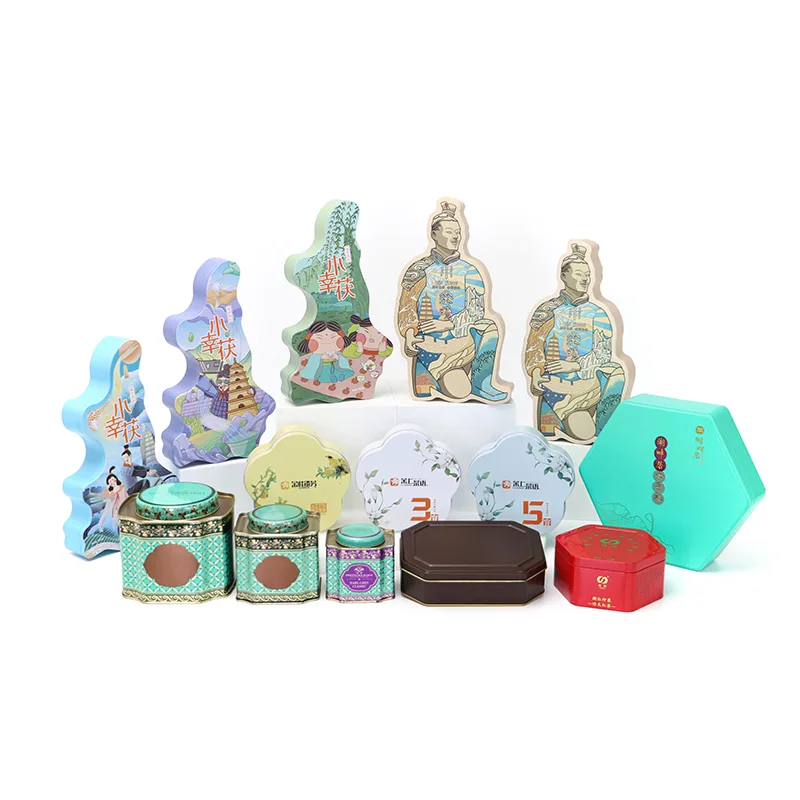
Different categories emphasize different principles. These examples show how modern metal packaging solutions align structure and brand objectives.
Premium cosmetic gift tins
Cosmetic gift tins often use clean geometry, high-definition printing, and tactile embossing. The structure must protect delicate items like glass bottles or compacts, and internal fitments should prevent movement. A modular insert strategy lets brands reuse the same outer tin across multiple SKUs while changing the internal layout.
Airtight coffee and tea tins
Coffee and tea packaging benefits from barrier performance and resealability. Designs often use friction-fit lids with inner seals or gasket systems to reduce moisture ingress. Exteriors commonly combine matte surfaces with selective gloss highlights for a refined, craft-quality look.
Limited-edition seasonal collections
Seasonal packaging benefits from stable structure plus flexible artwork. The body stays consistent while graphics change frequently, which protects tooling investment and reduces leftover inventory risk. Digital printing is often a practical option for these cycles, depending on MOQ and effect requirements.
Hardware kits and industrial product boxes
Industrial buyers value durability and organization. A well-designed metal box can be reused in the factory and become part of the customer’s workflow. For these projects, hinge durability, stackability, and clear labeling zones usually matter more than decorative finishes.
Why MrTinBox for Modern Metal Packaging Solutions
At MrTinBox, we support global brands and OEMs that need metal packaging that is visually compelling and production-ready. Our objective is not only to produce a metal box, but to help you build a packaging system that performs in real supply chains and supports long-term brand value.
Design support grounded in manufacturability
We help translate design intent into manufacturable geometry, realistic tolerances, and stable tooling strategies. This includes early DFM review, lid-fit evaluation, and finishing recommendations aligned with how the packaging will be handled and shipped.
Flexible customization across structure, printing, and finishing
Whether you need a classic tinplate box, a sleek aluminum package, or a reusable stainless concept, we support customization across structure and surface finishing. We also advise on lithography vs digital printing based on your MOQ and launch cadence, and we provide physical samples to validate expectations before production.
Consistency for repeat programs
Modern metal packaging programs often involve repeat orders, evolving artwork, and regional variants. Consistency matters, so we emphasize controlled production processes and documented specifications. This approach protects brand uniformity and reduces risk across batches.
Sustainability-aligned engineering and credible storytelling
We can support recycled-content strategies, lightweighting, and simplified structures that keep end-of-life pathways practical. When you want sustainability messaging, we encourage disciplined frameworks (such as ISO 18601) and clear, defensible claims rather than vague language. ISO
Design Metal Packaging That Works in the Real World
Modern metal packaging succeeds when design, engineering, and brand strategy work together. The best outcomes come from early alignment on product protection, realistic manufacturability, and the customer experience you want to create. When these principles are respected, metal packaging becomes more than a container—it becomes a competitive advantage.
If you are planning a new metal packaging solution (or upgrading an existing one), MrTinBox can support you from concept review through sampling and production. The earlier you involve a manufacturing partner in the design process, the faster you can move from idea to market with confidence.