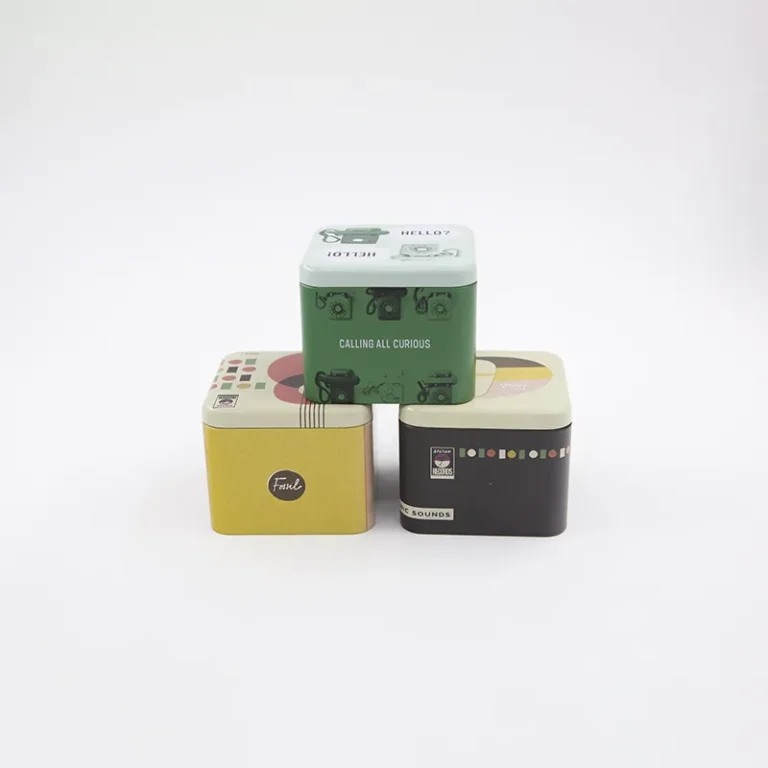

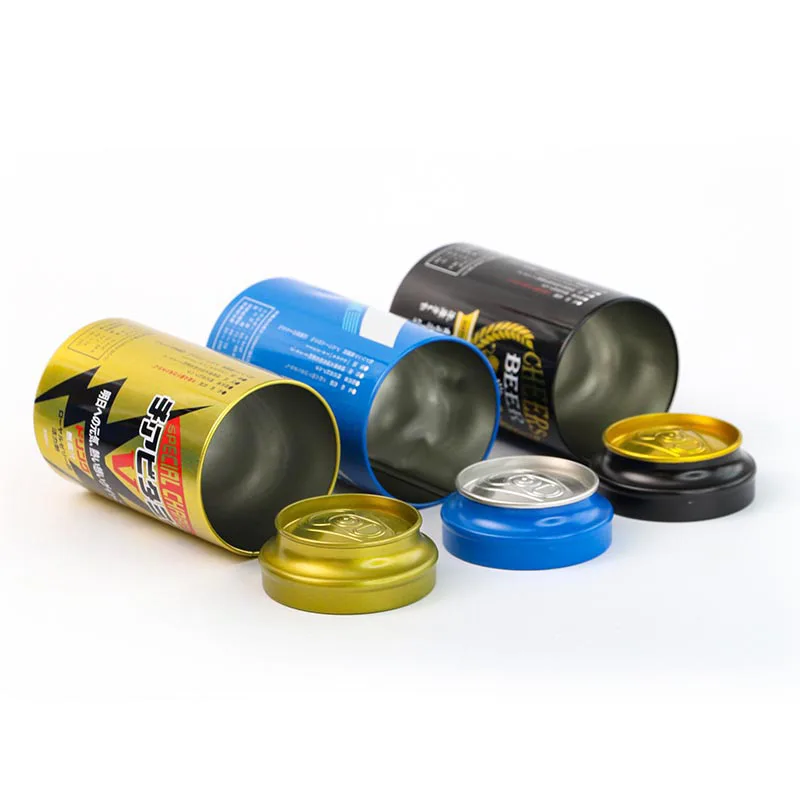

In today’s competitive market, metal packaging is no longer just a container—it is a brand asset, a compliance commitment, and a supply-chain decision that affects cost, lead time, and sustainability outcomes. 🌍 Buyers who source globally can unlock better tooling options, more finishing capabilities, and stronger price-to-performance ratios, but only if they manage quality, documentation, and logistics with discipline. This guide walks you through a practical, step-by-step approach to sourcing custom metal packaging internationally—clearly, safely, and with fewer surprises.
Table of Contents
Why Global Sourcing Has Become the Default for Metal Packaging

A wider capability map means better “fit” for your product
Different regions specialize in different forms of metal packaging—from deep-drawn tins and decorative gift boxes, to food-grade cans, aerosol containers, and premium rigid packaging. When you source globally, you can match your design to the factory that already has the right presses, coating lines, printing method, and QC instruments, instead of forcing a local supplier to “figure it out” at your expense.
Sustainability and regulatory pressure changed the buyer checklist
Sourcing used to focus on price and lead time, but modern procurement must also prove compliance and sustainability performance. Recycling performance is under scrutiny, and metal has a strong story when correctly designed and recovered. For example, global aluminum beverage can recycling has been reported around 75% (2023) in some global studies, while steel is widely recognized as a leading recycled material in the circular economy. ♻️ packagingdive.com
Risk is real—but manageable with a proper sourcing system
Global sourcing adds variables: distance, language, time zones, and different standards. That sounds risky, but the good news is that metal packaging manufacturing is highly measurable. If you define specs clearly, approve samples properly, and lock down inspection points, you can manage risk better than many “local but informal” supply relationships.
Know Your Metal Packaging Types Before You Request Quotes
Tinplate (steel) tins for consumer goods and gift packaging
Tinplate is widely used for decorative tins, confectionery tins, cosmetic tins, and promotional packaging because it prints well and offers strong rigidity. It also supports many structural features—hinges, rolled edges, embossing, debossing, and complex lid fits—while remaining cost-effective at scale.
Aluminum packaging for lightweight, corrosion resistance, and modern design
Aluminum is lightweight and corrosion resistant, making it popular in personal care, certain food uses, and premium packaging designs. It also enables excellent recyclability stories in many markets when collection systems are strong. Aluminum Association
Stainless steel and specialty metals for durability and reuse concepts
For high-end reusable formats (refill systems, premium storage tins, or durable promotional items), stainless steel can be a strong option. It is not always the cheapest, but it supports long service life and a “keep it” customer experience—especially for luxury or outdoor categories.
Start With a Clear Sourcing Brief (Your RFQ Blueprint)
Define what “success” looks like for the packaging
A solid RFQ for metal packaging starts with purpose. You should specify the product category (food, beverage, cosmetics, gift), target retail channel (e-commerce vs. shelf), expected shelf life, and environmental conditions (humidity, salt air, refrigerated storage). These details determine material choice, coating system, and corrosion protection needs.
Specify dimensions, tolerances, and critical fit points
Do not only provide “outer size.” You should define inner usable size, lid clearance, seam/rolled edge expectations, and any mating parts that must fit precisely. For tins with inserts or foam, you should define insert thickness and compression limits because these influence lid closure force and deformation risk.
Clarify decoration requirements (where cost changes fast)
In metal packaging, decoration is often the largest driver of perceived value and a major driver of cost. You should specify printing method (CMYK, spot color, metallic inks), finish (gloss, matte, soft-touch, wrinkle), and special effects (embossing, debossing, texture, foil, or windows). The factory can then engineer the process rather than guessing.
Where to Source Custom Metal Packaging Globally

Asia: scale, tooling speed, and broad finishing options
Many Asian factories offer fast tooling development, integrated printing/painting lines, and competitive pricing for medium-to-high volumes. This is attractive for fast-moving consumer goods, promotional tins, and seasonal campaigns where speed matters.
Europe: compliance-heavy programs and premium process control
European suppliers are often strong in regulated categories and premium finishing, especially where audit requirements and traceability expectations are higher. If you need stringent documentation, this region can be a strong match, depending on cost targets.
North America: proximity, responsiveness, and shorter replenishment cycles
For brands prioritizing inventory agility and faster domestic replenishment, North American supply can reduce logistics uncertainty. The unit price may be higher, but total cost can improve if you avoid stockouts and rush freight.
How to Shortlist a Factory Without Wasting Months
Use capability filters first, not “who replies fastest”
Before you evaluate quotes, confirm the factory can produce your metal packaging structure reliably. Ask what press tonnage ranges they operate, what forming methods they use (stamping vs. deep draw), and whether printing and coating are in-house or outsourced. If a supplier outsources key steps, you need tighter process control and longer lead times.
Verify quality systems and audit readiness
Certifications do not guarantee quality, but they often indicate process discipline. For packaging suppliers, ISO 9001 (quality management) and ISO 14001 (environmental management) are common signals, and specialized standards may apply for regulated packaging programs. labelprint24.com
Check social compliance if your brand requires ethical sourcing
If you sell into large retail or global brand channels, social compliance may be mandatory. SMETA (Sedex Members Ethical Trade Audit) is widely used to evaluate labor and workplace conditions, and it helps reduce duplicated audit effort across customers. ✅ Sedex
Compliance and Safety: The Non-Negotiables for Metal Packaging
Food contact rules: align materials, coatings, and documentation
If your metal packaging will contact food, compliance is not optional. In the EU, food-contact materials are governed under Regulation (EC) No 1935/2004, with GMP requirements under Regulation (EC) No 2023/2006. EUR-Lex
In the United States, resinous and polymeric coatings used for food-contact surfaces are addressed under 21 CFR 175.300. eCFR
Cosmetics and personal care: odor, migration, and corrosion resistance
Even when direct food-contact rules do not apply, cosmetics packaging faces strict expectations for odor neutrality, stain resistance, and corrosion control. If the product contains oils, acids, or active ingredients, specify that early so the factory selects the correct lacquer system and performs compatibility checks.
Pharmaceutical and medical programs: higher documentation standards
If your program is tied to medicinal products, ISO 15378 is an example of a packaging-related quality framework specifically aimed at primary packaging materials for medicinal products. It signals GMP alignment and documentation rigor. ISO
Decoration and Surface Engineering: Where Premium Brands Win

Printing systems and color control
Color on metal behaves differently than on paper because reflectivity and base coat color affect perception. Require Pantone references (if used), define acceptable ΔE ranges if your brand is strict, and insist on master samples that are stored and referenced for every batch.
Coatings and varnishes: protect the design and the product
A good coating system protects against abrasion, corrosion, and chemical contact. For food and sensitive products, the coating must also meet regulatory requirements and migration limits, which should be supported by supplier declarations and test reports. Food Packaging Forum
Embossing, debossing, and tactile branding
Embossing can dramatically elevate shelf impact, but it requires stable tooling and controlled forming. Ask the factory how they manage registration between embossing and print layers, because misalignment is one of the most common premium-packaging failures.
Sampling and Approval: A Practical Path That Prevents Disputes
Prototype first, then pre-production sample (PPS), then mass production
A common mistake is approving a “pretty sample” that cannot be repeated at scale. You should request:
- a structural prototype (fit and function),
- a decorated pre-production sample (appearance and process), and
- a PPS from real production settings.
Each stage reduces risk, and each stage should include written acceptance criteria.
Lock down what is “critical to quality” (CTQ)
Define the 5–10 CTQ items that matter most: lid fit, edge safety, coating integrity, color match, emboss depth, scratch resistance, and packaging drop performance. If CTQs are written, inspections become objective instead of emotional.
Quality Assurance That Works Across Borders
Build an inspection plan with measurable tests
For metal packaging, QC can be structured with incoming checks (tinplate thickness, coating weight if applicable), in-process checks (forming dimensions, curl quality), and final checks (AQL sampling for cosmetics, scratches, dents, printing defects). When coating adhesion is a concern, standardized methods such as ASTM D3359 are commonly referenced for adhesion evaluation. ASTM International | ASTM
Require traceability for defects and corrective action
If defects appear, you need traceability—production date, line, operator shift, raw material batch, and coating batch. A factory that can perform root-cause analysis and CAPA (Corrective and Preventive Action) will save you money long-term, even if their quote is not the lowest.
Cost Drivers in Metal Packaging (So You Negotiate the Right Things)

Tooling cost is about complexity, not only size
A simple round tin may require limited tooling, while a hinged tin with tight tolerances, embossing, and multiple forming steps can require a much larger tooling investment. Always clarify tooling ownership and maintenance responsibility in writing, because tooling disputes are one of the most frequent sourcing conflicts.
Decoration and finishing often outweigh raw material costs
Many buyers focus on steel or aluminum price trends, but in premium metal packaging, decoration can dominate total cost. Each special effect—foil, texture varnish, multi-pass printing, spot UV—adds process time, yield loss risk, and more complex QA.
Packaging for shipping is a hidden cost that becomes very visible later
Export packaging (master cartons, corner protection, pallets, moisture control) affects defect rates during ocean freight. If you squeeze this cost too hard, you will “pay it back” in dents, scuffs, and returns.
Trade Terms, Logistics, and Lead Times You Must Control
Use Incoterms correctly to avoid surprise costs
Incoterms define who is responsible for risk, cost, and obligations during shipment. The ICC’s Incoterms® 2020 framework is the reference point used globally, and it should be stated clearly in your contract and PO terms. 📦 ICC – International Chamber of Commerce
Plan realistic lead times: tooling + sampling + production + freight
A workable plan includes time for tooling, sampling iterations, mass production slot booking, and international freight. The biggest delays typically come from unclear specifications, late artwork approvals, and unplanned sample revisions, not from the factory’s forming process itself.
Build a replenishment model if you will reorder
If your metal packaging is for an ongoing SKU, consider a rolling forecast and safety stock strategy. You can also negotiate raw material reservation or semi-finished stock holding, which can reduce reorder lead time without locking you into excessive finished inventory.
Sustainability and Policy: What Buyers Need to Track Now
Recycling performance is becoming a marketing and compliance requirement
Steel and aluminum have strong circularity narratives when they are collected and processed effectively. World Steel data highlights the scale of steel recycling and its role in avoiding emissions, while industry reporting in some regions shows high recycling rates for steel packaging under harmonized measurement approaches. ♻️ worldsteel.org
At the same time, recycling rates can vary dramatically by country and deposit return system performance, so avoid assuming one market’s performance applies globally.
The EU is tightening packaging rules under a new regulatory framework
The EU has introduced a Packaging and Packaging Waste Regulation (PPWR) framework that covers packaging across its lifecycle, from design to waste handling, and it is replacing older directive-based structures over time. If you sell into the EU, your packaging specifications should anticipate evolving requirements and documentation expectations. Environment
EPR and producer responsibility trends affect packaging decisions
Extended Producer Responsibility (EPR) policies shift post-consumer cost and responsibility toward producers, influencing packaging selection, labeling, and reporting. EPR frameworks are established in the EU and expanding in the U.S. at the state level, which is pushing brands to demand better traceability and recyclability alignment from packaging suppliers. europen-packaging.eu
A Simple, Buyer-Friendly Global Sourcing Workflow (You Can Reuse)

Step 1: Align internal stakeholders before contacting factories
Procurement, marketing, product, and compliance should agree on priorities. If marketing wants special finishes while procurement wants the lowest cost, you need a trade-off decision early, not after three rounds of sampling.
Step 2: Shortlist 3–5 factories with verified capability
You should request a capability deck, relevant case photos, equipment list, and basic certifications. For high-stakes programs, consider a remote audit call and third-party inspection planning before placing the first mass-production PO.
Step 3: Run sampling with acceptance criteria, then lock specs
Your final “golden sample” should be accompanied by a specification sheet and a QC checklist. That package becomes the standard reference for future orders, and it reduces disputes because quality expectations are documented.
Step 4: Scale production with inspections and traceability
For first orders, it is normal to use tighter inspections and more frequent checkpoints. Once quality is stable, you can optimize AQL levels and reduce friction, but only after performance is proven.
Why Many Global Buyers Choose MrTinBox for Custom Metal Packaging
One-stop coordination across design, engineering, and production
Custom metal packaging succeeds when structure, artwork, and process engineering work together. A partner who can coordinate dielines, forming feasibility, finish selection, and QC planning can shorten development cycles and reduce sampling loops.
Transparent manufacturing communication for international buyers
Global programs need clear documentation: drawings, material specs, coating declarations, inspection standards, and shipment packing specs. When communication is structured and repeatable, procurement becomes faster and more predictable—even across borders.
A sourcing partner mindset, not “just a supplier”
The best metal packaging outcomes happen when the factory treats your program like a long-term brand asset, not a one-off job. That means proactive DFM (design for manufacturability), honest risk flags, and stable quality systems that support your growth.
Source Globally, But Manage Locally (With Systems)
Global sourcing for metal packaging is not about finding the cheapest quote—it is about building a controlled process that protects your brand, ensures compliance, and delivers consistent packaging at scale. If you define requirements clearly, validate factory capability, and run sampling and QC with discipline, international sourcing becomes a competitive advantage rather than a risk. 🌍