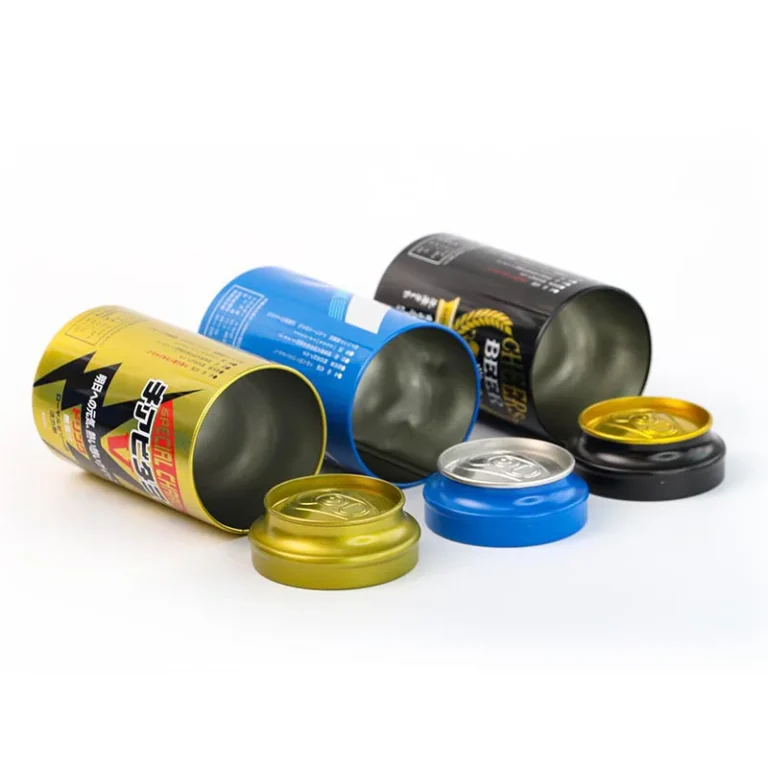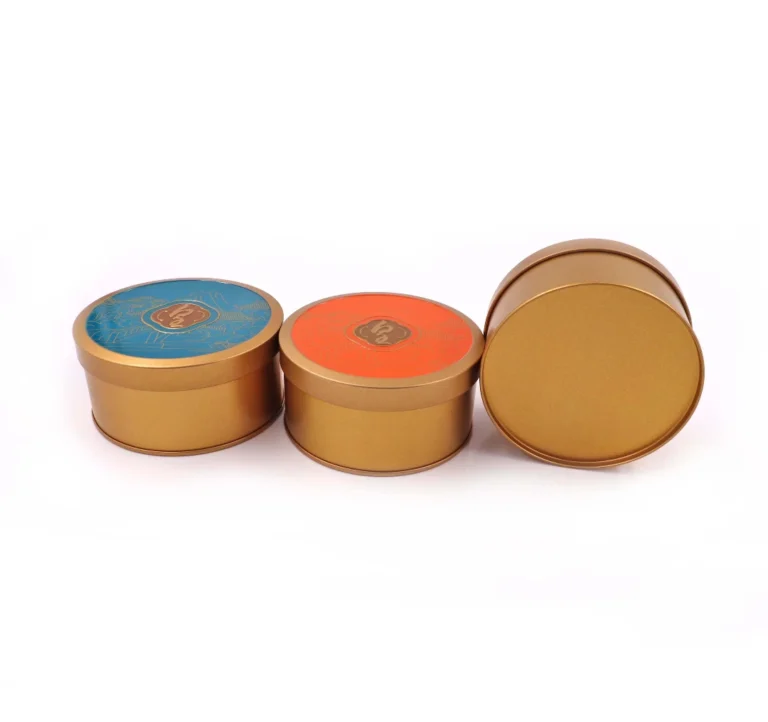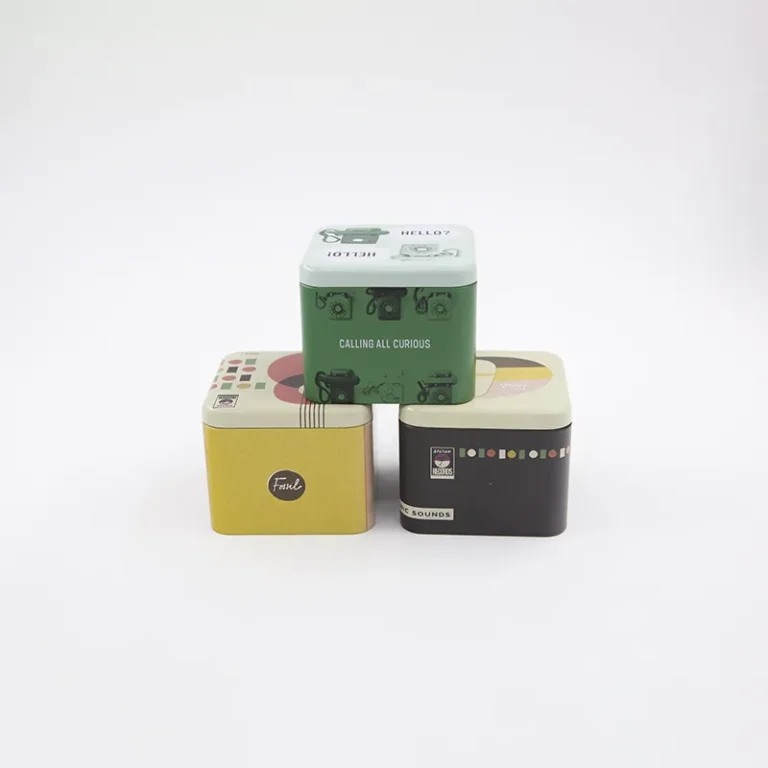

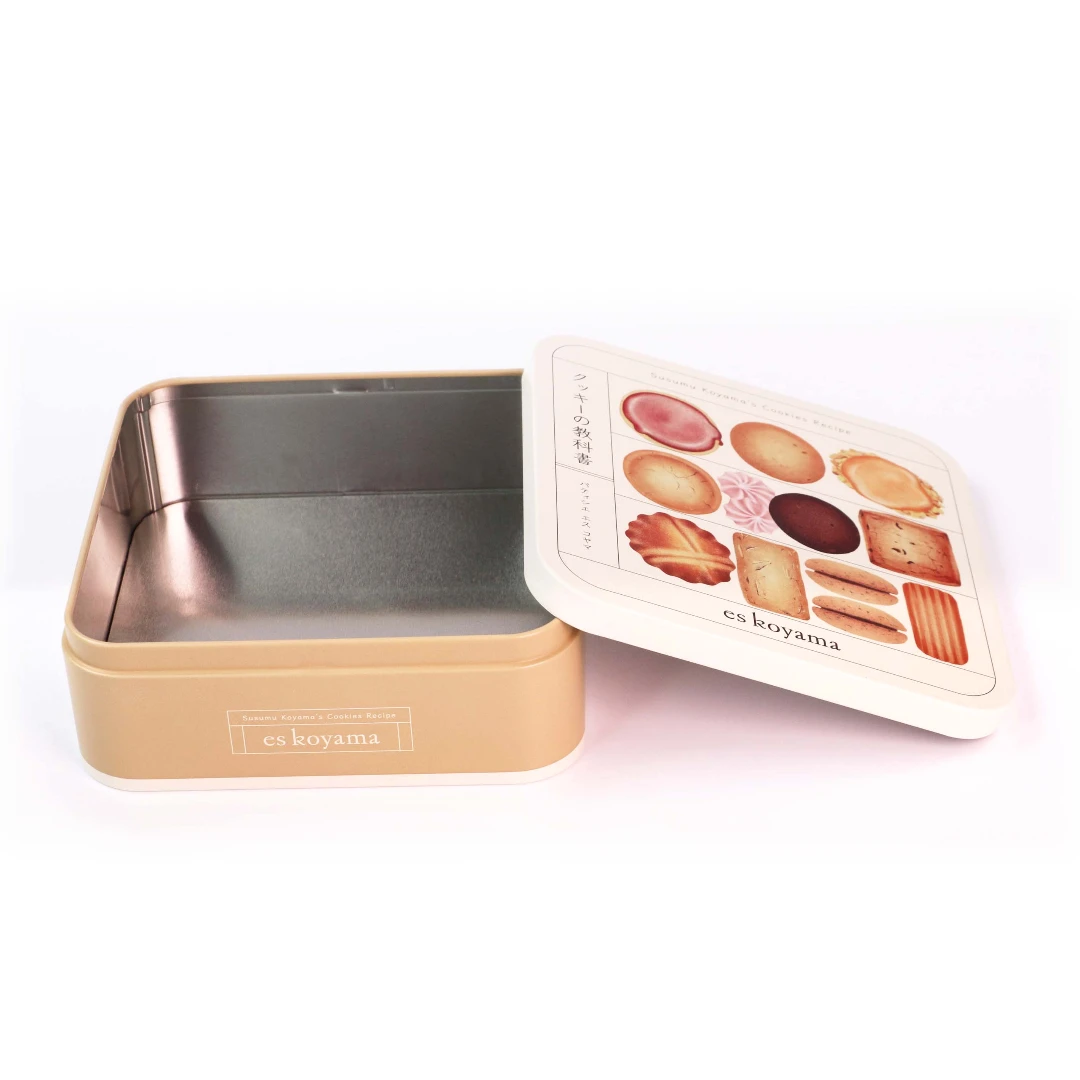

In the world of premium confectionery, the product itself is only half the story. The other half is how you present it. For luxury chocolate and biscuit lines, a Custom Tin Box does far more than hold the product — it defines the unboxing ritual, communicates brand value, and extends your relationship with consumers long after the last bite.
Global demand for confectionery packaging continues to grow as brands upgrade to more sophisticated, gift-ready formats and more sustainable materials. Recent market studies estimate the confectionery packaging segment at roughly USD 14+ billion in 2025, with steady growth expected through 2030 as brands lean into premiumization and eco-friendly solutions. Mordor Intelligence+1
For chocolate truffles, pralines, biscuits, cookies, and seasonal gift assortments, a Custom Tin Box gives you a durable, collectible, and fully brandable canvas. In this article, we’ll explore why leading confectionery brands are investing in metal packaging, how to design a Custom Tin Box that fits your production line, and how Mr. Tin Box can support you from concept to mass production.
Table of Contents
1. Why Luxury Brands Choose Custom Tin Box Packaging
1.1 From Everyday Commodity to Collectible Object
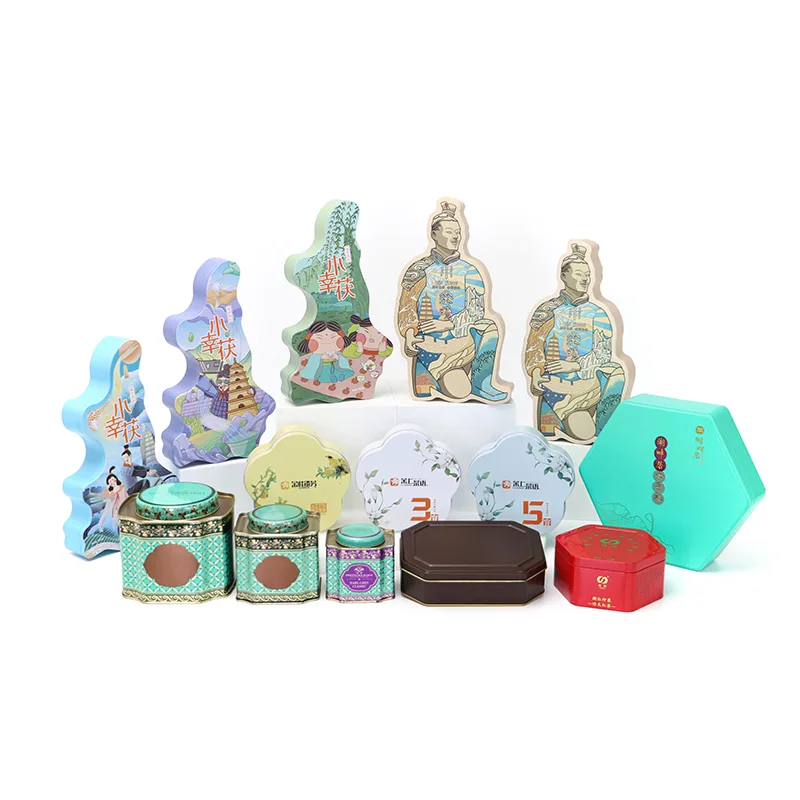
A standard cardboard box is opened and quickly thrown away. A well-designed Custom Tin Box becomes a keepsake. Consumers reuse tins to store tea bags, cookies, sewing kits, or desk accessories. Every reuse keeps your logo and artwork in front of them for months or even years, turning a one-time purchase into daily brand exposure.
This “second life” has real marketing value. Instead of investing in additional promotional items, your packaging itself becomes the long-term advertisement. For seasonal collections—Christmas biscuits, Valentine’s chocolates, Mid-Autumn gift sets—a collectible Custom Tin Box can even become a limited-edition series that customers wait for every year.
1.2 Aligning with Premium Brand Positioning
Luxury confectionery is about more than taste. It’s about the feeling of weight, the sound of a lid, the tactile impression of embossing when a customer picks up the box. A Custom Tin Box enhances all of these sensory cues:
- Weight & rigidity communicate quality and value.
- Metallic shine, embossing and debossing reinforce craftsmanship and attention to detail.
- Precision-fitted lids create a satisfying opening experience and help preserve product freshness.
In retail environments, Custom Tin Box packaging stands out on shelves, counters, and gondolas. The rigid structure resists crushing and maintains perfect edges, which is critical for premium chocolate and biscuit lines displayed at eye level or stacked high in warehouse retail formats.
1.3 Sustainability and Reusability Expectations
Consumers and retailers are increasingly critical of single-use plastic and low-value mixed materials. Metal packaging — steel and aluminium — has become one of the most recycled packaging types in Europe, with steel packaging achieving an independently verified recycling rate of around 80–82% in recent years. metalpackagingeurope.org+2Packaging Europe+2
Industry bodies such as Metal Packaging Europe highlight that metal provides a permanent material solution: it can be recycled again and again without losing its properties, creating a genuine closed loop. packagingforcircularity.org+1 For brands, choosing a Custom Tin Box means:
- Stronger sustainability storytelling on pack and in marketing.
- Alignment with retailer goals on recyclability and reduction of unnecessary plastic.
- A packaging format that naturally encourages reuse, not disposal.
By combining high recycling rates with long-term reuse at home, Custom Tin Box packaging puts your chocolate and biscuit lines on the right side of evolving environmental expectations.
2. Design Essentials for Chocolate and Biscuit Custom Tin Box Solutions
2.1 Shapes, Structures and Internal Trays
For premium confectionery, structure design is as important as artwork. A Custom Tin Box can be engineered in:
- Classic rectangular biscuit tins for cookies, crackers, and butter biscuits.
- Square or round tins for chocolate assortments, pralines, and truffles.
- Heart-shaped or themed tins for Valentine’s Day, Mother’s Day, or regional holidays.
- Multi-layer tins with inner trays or tiered inserts for “surprise” unboxing.
Inside the Custom Tin Box, we can design:
- PET, PP, or recycled plastic trays with cavity layouts matching each chocolate piece.
- Cardboard or pulp inserts for a more eco-friendly look.
- Foam or velvet-wrapped trays for ultra-luxury chocolate gift sets.
By aligning the internal tray design with your product dimensions and production line, we ensure that filling, sealing, and quality checks stay fast and efficient.
2.2 Food-Safe Coatings and Barrier Protection
Modern metal packaging for food uses internal food-grade coatings to prevent direct contact between the product and the tinplate or aluminium, improving both safety and shelf life. Scientific reviews on metal packaging emphasize the role of these protective and decorative coatings in preventing corrosion and interaction between the metal and foods, especially those with higher acidity or fat content. PMC
For luxury chocolate and biscuits, this means:
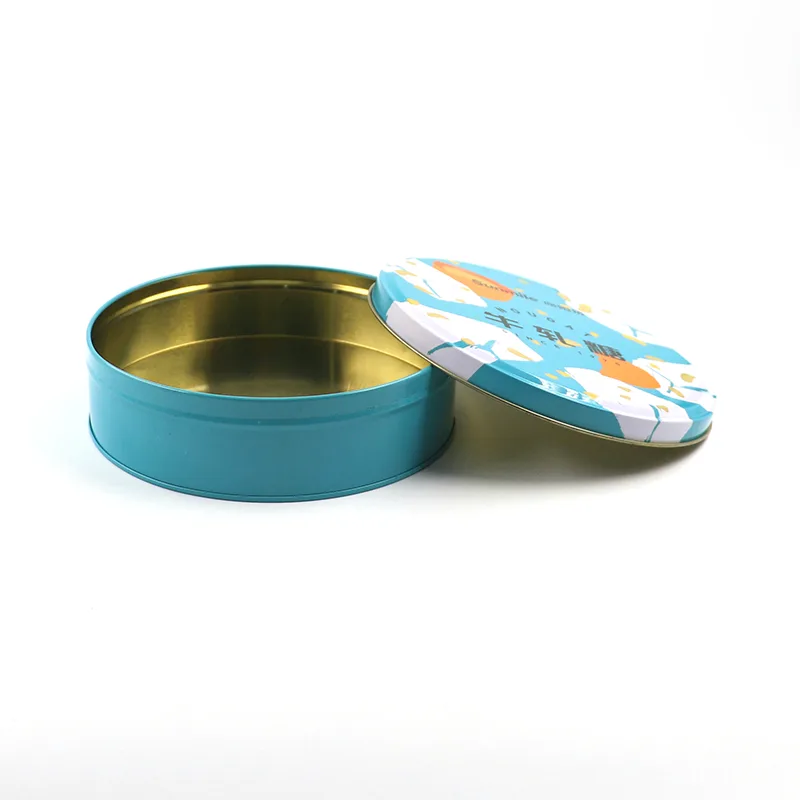
- Food-safe lacquers and varnishes applied to the inside of the Custom Tin Box.
- Coatings compatible with chocolate fat, cocoa butter, milk powders, and flavorings.
- Compliance with food-contact legislation (EU, FDA, etc.) when required.
In addition, metal packaging is an excellent barrier against light, oxygen, moisture, and external contaminants—factors that can quickly degrade chocolates and delicate biscuits. Industry associations highlight metal’s ability to protect sensitive contents and maintain product integrity throughout the supply chain. metalpackagingeurope.org
2.3 Printing, Finishes and Tactile Effects
The external design of your Custom Tin Box is where your brand truly comes alive. Popular options include:
- CMYK and Pantone offset printing for colorful branding and photography.
- Spot UV to highlight logos or key visual elements.
- Gloss, matte, or soft-touch varnish to match your brand personality.
- Embossing and debossing for logos, product names, and patterns.
- Metallic effects using the base tinplate color for premium highlights.
For luxury chocolate and biscuit lines, we often recommend combining matte backgrounds with high-gloss or metallic accents so the packaging feels modern yet timeless. You can also match the Custom Tin Box design to premium paper labels, printed ribbons, belly bands, or sleeves for even more layered storytelling.
3. Engineering a Custom Tin Box for Production Efficiency
3.1 Material Thickness and Tooling Considerations
Behind every beautiful Custom Tin Box is an engineered structure. The choice of tinplate thickness, alloy, and temper affects:
- Overall box strength and dent resistance.
- Weight per unit and total pallet weight.
- Formability during stamping and rolling operations.
Our engineering team balances your aesthetic goals with the realities of tooling and mass production. For example, very deep draws or complex shapes may require step-by-step forming or special tooling to avoid wrinkles, cracks, or surface defects. The goal is to ensure a stable, cost-effective design before you invest in tooling.
3.2 Stackability, Palletization and Logistics
Custom Tin Box packaging must perform not only on the shelf but also through warehouses and transportation. In this stage, we look at:
- Stacking strength of filled tins during transport.
- How tins interlock or nest when stacked on pallets.
- Optimal tin dimensions to fit standard carton and pallet sizes.
For example, designing a biscuit tin height that perfectly matches your case pack format can significantly reduce air space, shrink wrapping, and dunnage. This is particularly important when shipping heavy chocolate and biscuit tins long distances or using mixed pallets for multiple SKUs.
3.3 Automation-Friendly Dimensions and Tolerances
If you already run high-speed packing lines, your Custom Tin Box must fit into the existing workflow. That includes:
- Conveyor widths and transfer points.
- Robot or pick-and-place gripper dimensions.
- Alignment tolerances for capping, labeling, or coding.
We fine-tune dimensions and tolerances to ensure that tins run smoothly on automated equipment, minimizing jam points and reducing changeover time between SKUs. Choosing the right corner radius, lid height, and bead positions can make a big difference in operational stability at scale.
4. Custom Tin Box vs. Other Packaging Options
4.1 Custom Tin Box vs. Cardboard Boxes
Cardboard boxes are light, inexpensive, and easy to print. However, for luxury chocolate and biscuit lines, they also have limitations:
- Less impact resistance; corners crush easily.
- Limited barrier against moisture and oxygen unless combined with additional films.
- Shorter lifespan; boxes are typically discarded quickly after opening.
By contrast, a Custom Tin Box offers:
- Superior protection during transit and on shelf.
- Excellent barrier properties when combined with food-grade lacquers and sealed inner bags.
- Long-term reuse in the consumer’s home, extending the life of your branding.
4.2 Custom Tin Box vs. Plastic Containers
Plastic tubs and boxes are widely used for confectionery, but they face increasing pressure from regulators and consumers concerned about microplastics and low recycling rates. Many markets report significantly lower recycling rates for household plastics compared with metal packaging. European Commission+1
A Custom Tin Box helps you:
- Reduce dependence on single-use plastic.
- Align with retailer sustainability targets and plastic reduction commitments.
- Use a packaging format with high recycling value and strong consumer acceptance.
4.3 Total Cost of Ownership Perspective
It’s true that unit cost for a Custom Tin Box may be higher than for a simple cardboard carton. However, the total cost of ownership paints a different picture:
- Higher perceived product value enables premium pricing or larger margins.
- Lower damage and return rates due to better protection.
- Brand exposure for months or years via reusable tins, effectively reducing your per-impression marketing cost.
When you factor in both brand and logistics benefits, a well-designed Custom Tin Box often becomes one of the most cost-effective investments you can make in your luxury chocolate and biscuit line.
5. Compliance, Food Safety and Global Market Access
5.1 Food-Contact Regulations and Testing
Food safety is non-negotiable. In the European Union, metal packaging intended for food contact is regulated by Regulation (EC) No 1935/2004, which sets out general safety requirements for materials and articles that come into contact with food. triviumpackaging.com
Similarly, other regions (such as the United States, China, and specific Middle Eastern markets) have their own regulations and standards for food-contact metals, coatings, and inks. A responsible Custom Tin Box manufacturer will:
- Select coatings, lacquers, and inks that are certified for food contact.
- Work with accredited laboratories to perform migration testing where required.
- Provide documentation to support your quality system and retailer audits.
5.2 Traceability, Labelling and Shelf-Life
For chocolate and biscuits, traceability and shelf-life performance are critical for both brand reputation and global distribution. A Custom Tin Box makes it easier to:
- Integrate batch codes, best-before dates and QR codes via printing or secondary labeling.
- Maintain stable product quality thanks to strong barrier performance against light, air and moisture. metalpackagingeurope.org
- Support regional labeling requirements without redesigning the tin, by using flexible stickers or over-labels.
For long shelf-life products or seasonal exports (e.g., Christmas biscuits shipped months in advance), this combination of barrier protection and clear labelling greatly reduces risk in your supply chain.
5.3 Working with a Certified Custom Tin Box Factory
To meet these requirements consistently, you need a partner with robust quality systems. At Mr. Tin Box, we recommend that brands look for the following when choosing a Custom Tin Box supplier:
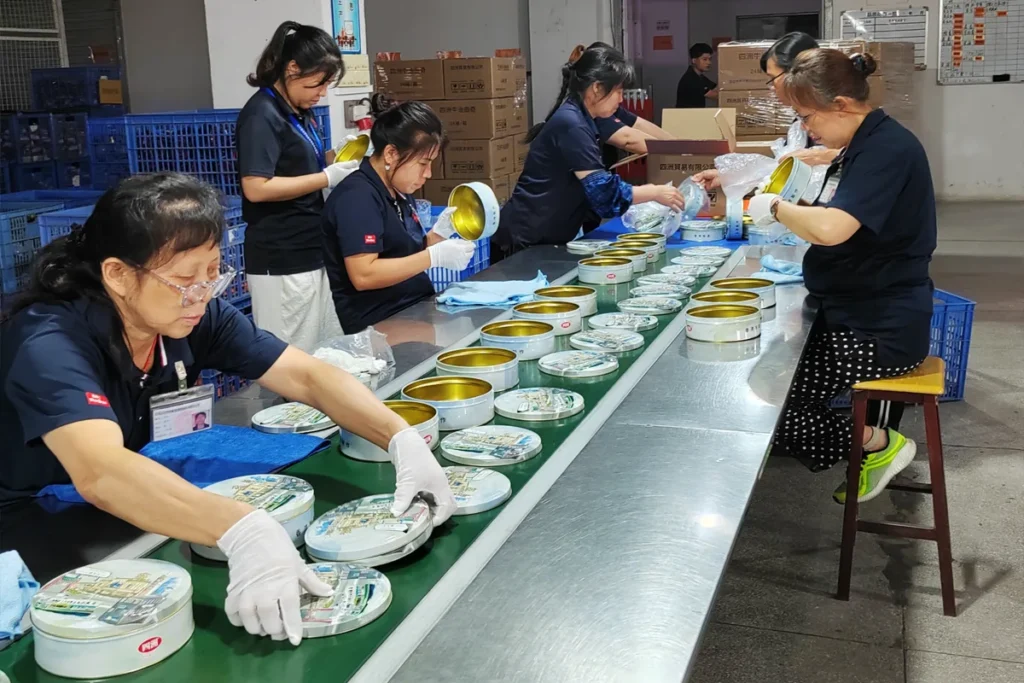
- Food-grade production environment and hygiene protocols.
- Documented QA processes, including incoming material inspection and final product checks.
- Experience supplying global confectionery brands with export-ready documentation.
We work closely with specialized coating and ink suppliers whose products are designed for food contact and who follow international guidelines highlighted in research and technical reviews on metal packaging safety. dktinplate.com+1
6. How Mr. Tin Box Supports Your Chocolate and Biscuit Line
6.1 One-Stop Support from Concept to Mass Production
As a specialist in Custom Tin Box solutions, Mr. Tin Box offers full-service support:
- Concept & brainstorming – We translate brand stories, product positioning, and market insights into tangible packaging concepts.
- 3D design & structure engineering – Our engineers create detailed drawings and renderings to align marketing, production, and logistics teams.
- Tooling & sampling – We build precision molds and deliver pre-production Custom Tin Box samples for review and test-filling.
- Mass production & quality control – Automated stamping, printing, and assembly lines ensure stable quality across large volumes.
- Export logistics – We coordinate packaging, palletization, and shipping to your factories or distribution centers worldwide.
Instead of dealing with multiple vendors for design, tooling, and production, you have one partner responsible for the entire Custom Tin Box project.
6.2 Typical Development Timeline and MOQs
While exact lead times depend on your design complexity, a typical timeline for a new Custom Tin Box for chocolate or biscuit lines might look like:
- 2–3 weeks for design, structure confirmation, and artwork finalization.
- 25–35 days for tooling and first off-tool samples.
- 30–45 days for mass production and packing after sample approval.
For many projects, our minimum order quantities (MOQs) start around 5,000–10,000 units per design, depending on size and structure. For global campaigns, volumes of 50,000+ tins per SKU are common and can significantly optimize unit cost.
6.3 Application Scenarios
Typical application scenarios for Custom Tin Box packaging in chocolate and biscuit lines include:
- Premium biscuit assortments for international retailers.
- Seasonal chocolate gift collections (Christmas, Valentine’s Day, Easter, Ramadan, Chinese New Year, etc.).
- Limited-edition collaborations with designers, artists, or influencers.
- Corporate gift tins for business clients and loyalty programs.
In each case, the Custom Tin Box becomes an integral part of the campaign—not just a container but a physical expression of the brand.
7. How to Start Your Custom Tin Box Project
7.1 Key Information You Should Prepare
To start quickly and avoid unnecessary revisions, we recommend preparing the following information before approaching Mr. Tin Box:
- Product type and formats – chocolate pieces, bars, pralines, cookies, wafers, etc.
- Net weight and units per tin – to determine internal tray layout and tin volume.
- Target markets and regulations – EU, US, UK, Middle East, Asia-Pacific, etc.
- Retail positioning and price point – mass premium, luxury, duty-free, etc.
- Brand style guidelines – existing color codes, logos, fonts, and visual themes.
The clearer this information is at the beginning, the faster we can offer a Custom Tin Box solution that matches your expectations on cost, lead time, and brand fit.
7.2 Sample, Prototype and Pre-Production Approval
For chocolate and biscuit lines, we strongly recommend a step-by-step approval process:
- White samples – plain tins without printing to check dimensions, structure, and fit with your product and packing line.
- Printed pre-production samples (PP samples) – full-color tins produced using mass-production printing plates for accurate color evaluation.
- Line trials – optional test runs on your filling and packaging lines to verify speed, line clearance, and labeling positions.
Only after your team approves all aspects — from structural integrity to color accuracy — do we move into full-scale production of your Custom Tin Box. This minimizes risk and prevents expensive rework.
7.3 Tips to Control Cost Without Losing Luxury Feel
Premium doesn’t have to mean inefficient. Here are practical ways to control cost while keeping a luxury look:
- Optimize tin sizes to share tooling across different SKUs or flavors.
- Use a common base design with small artwork variations for different markets or holidays.
- Choose smart combinations of finishes (e.g., matte base + selective embossing) instead of many complex special effects at once.
- Plan annual or multi-seasonal volumes to maximize economies of scale and negotiate better material and logistics rates.
By aligning your marketing calendar with packaging planning, your Custom Tin Box investment can support multiple launches over the year.
8. Partner with a Specialist Custom Tin Box Manufacturer
For luxury chocolate and biscuit brands, packaging is no longer a simple operational detail. It is a strategic tool for differentiation, sustainability, and long-term customer loyalty. A thoughtfully designed Custom Tin Box:
- Elevates your product from “treat” to “gift”.
- Delivers real benefits in shelf-life, protection, and logistics.
- Supports your sustainability story through high recyclability and reuse.
- Keeps your brand in front of consumers long after the product is consumed.
At Mr. Tin Box, we combine years of experience in custom metal packaging with a deep understanding of confectionery production and global export requirements. If you are planning a new luxury chocolate line, updating your biscuit assortments, or preparing a seasonal gift campaign, our team is ready to help you turn your ideas into a high-impact Custom Tin Box that performs from factory to living room.
Ready to explore a Custom Tin Box for your chocolate or biscuit line?
Share your project details—product type, target markets, and approximate volumes—and we’ll propose a tailored packaging concept, realistic timeline, and cost structure to support your next successful launch.
FAQ
What is a Custom Tin Box and why is it important for luxury chocolates and biscuits?
A Custom Tin Box is a special container made of metal designed to hold and protect luxury chocolates and biscuits. It’s important because it not only keeps the treats safe but also makes them look beautiful and appealing. When people see a fancy box, they may feel that the treats inside are extra special, making them perfect for gifts or special occasions.
How can a Custom Tin Box help my brand?
A Custom Tin Box can help your brand by becoming a keepsake that customers want to keep using. Instead of tossing it away, people may use the tin to store tea or other small items, which keeps your brand name visible. This means that every time they use the tin, they are reminded of your products.
What materials are used for Custom Tin Boxes?
Custom Tin Boxes are usually made from steel or aluminum. These materials are strong, protect the contents well, and can be recycled easily. Because they can be recycled many times without losing quality, using metal boxes is good for the environment.
What makes Custom Tin Boxes different from cardboard boxes?
Unlike cardboard boxes, which can get crushed and often get thrown away quickly, Custom Tin Boxes are strong and durable. They look nicer, protect the contents better, and can be reused for many years. This makes them a better choice for luxury chocolates and biscuits.
Are Custom Tin Boxes safe for food?
Yes, Custom Tin Boxes are safe for food. They have special coatings on the inside to protect the food from the metal, keeping it fresh and safe to eat. These coatings follow strict safety rules to ensure they are good for holding chocolates and biscuits.
Can I design my own Custom Tin Box?
Absolutely! You can work with a manufacturer to create a Custom Tin Box that matches your brand’s style and fits your products perfectly. You can choose the shape, size, colors, and artwork, making it unique to your brand.
How do I start a project for Custom Tin Boxes?
To get started, gather important information like what type of sweets you’ll be packaging, how many you need, and what your brand style is. Once you have this information, you can reach out to a tin box manufacturer to help you create your custom design.
What steps are involved in making a Custom Tin Box?
Making a Custom Tin Box usually includes several steps:
1) Designing the shape and artwork,
2) Creating samples to make sure everything looks good,
3) Producing the boxes in large numbers, and
4) Quality checks to ensure they are made well and meet safety standards.
How can a Custom Tin Box be eco-friendly?
Custom Tin Boxes can be eco-friendly because they are made from materials that can be recycled many times. Using metal instead of plastic reduces waste, and when companies choose designs that encourage reuse, it helps keep the environment clean for future generations.
What are the benefits of working with a specialist manufacturer for Custom Tin Boxes?
Working with a specialist manufacturer means you get expert advice, high-quality materials, and a better understanding of food safety regulations. They can help you from the beginning of your project all the way to production, ensuring that your Custom Tin Box meets all your needs.