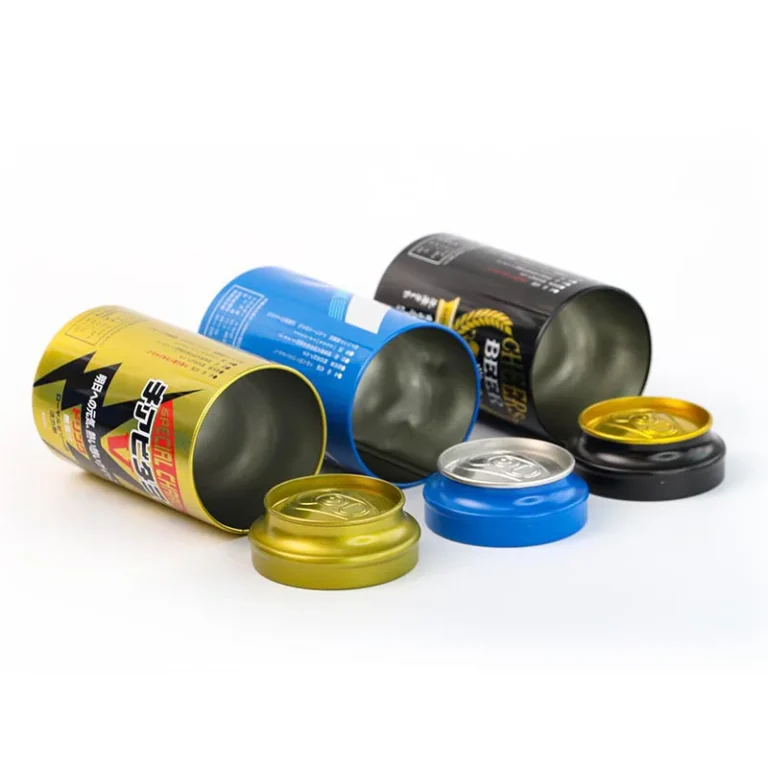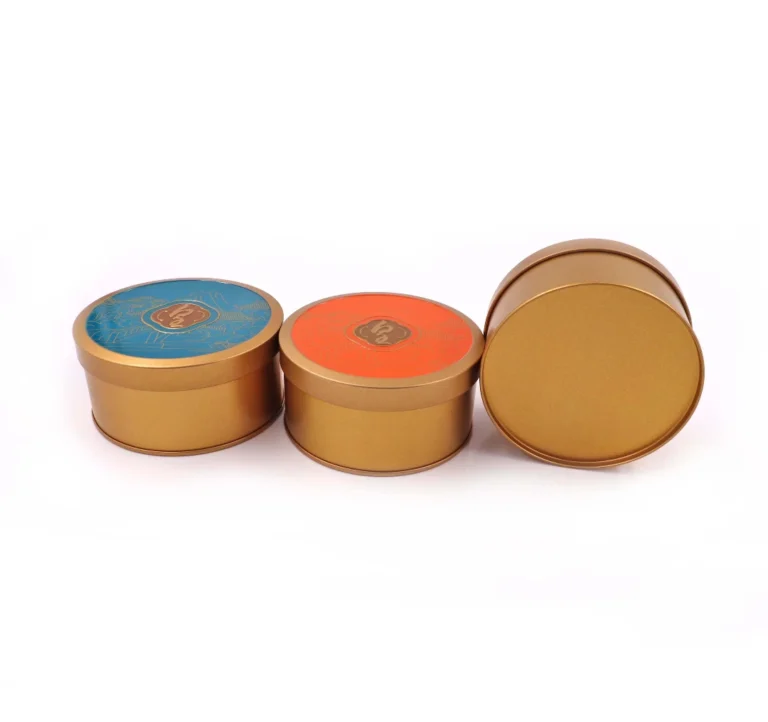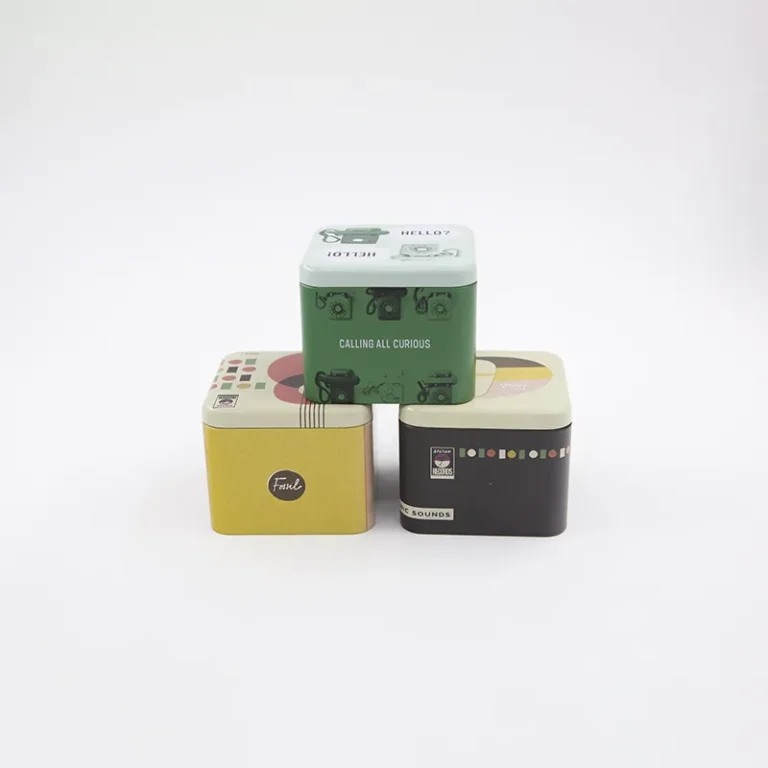

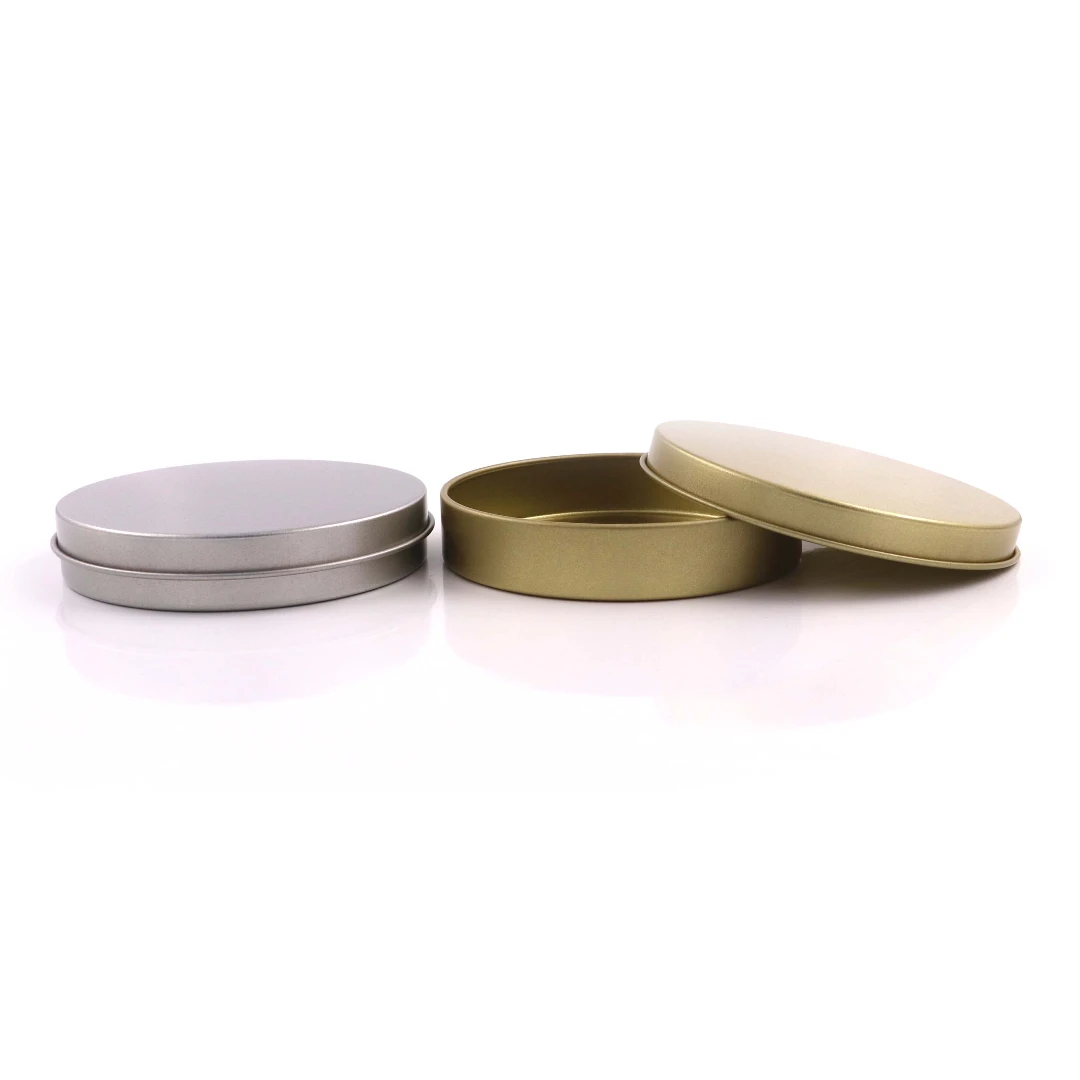

Cosmetic gift sets sell a promise before the customer ever tries the product. When the box feels premium, opens smoothly, and protects every item inside, the whole set instantly looks more valuable—whether it’s on a retail shelf or in a customer’s unboxing video. That’s why more brands are switching from disposable cartons to a metal tin box with lid that customers keep, reuse, and associate with quality long after the first purchase.
At MrTinBox (mrtinbox.com), we help brands turn packaging into a “second product”: a custom tin that elevates the gift set, improves protection, and carries your branding for years. This guide explains how to design a metal tin box with lid specifically for cosmetic gift sets, with practical tips on structure, finishes, inserts, compliance considerations, and cost control.
Table of Contents
Why packaging decides whether a cosmetic gift set feels premium
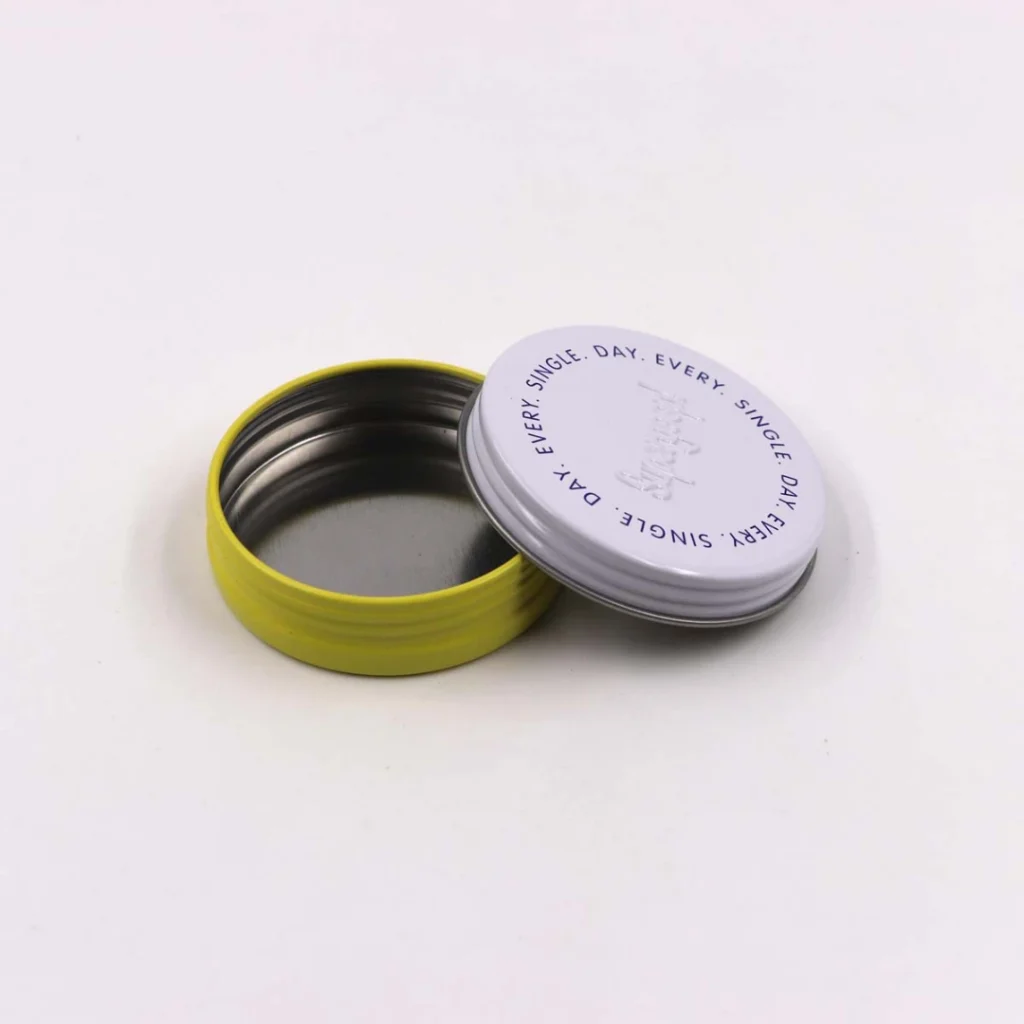
A gift set is judged in seconds, and packaging does most of that work. The shape, weight, sound, and opening experience all signal quality before the customer sees what’s inside. A well-made metal tin box with lid naturally communicates durability and “kept value,” which is exactly what luxury and mid-to-high cosmetic brands want.
Unboxing is a marketing channel, not a detail
Cosmetic gift sets are shared on social platforms because they look good and feel satisfying to open. A rigid, well-fitted lid creates that premium “reveal” moment, while high-definition printing and tactile finishes make the tin look expensive even under harsh phone lighting. Compared with a thin paperboard carton, a metal tin box with lid is harder to crush, harder to scuff, and easier to keep pristine through shipping.
Protection matters more than people realize
Cosmetics are sensitive to denting, heat, light, and repeated vibration during transport. Glass bottles can chip, pressed powders can crack, and pumps can leak if the set is not supported properly. A sturdy metal tin box with lid paired with a fitted insert reduces movement, improves drop resistance, and helps the gift set arrive looking exactly like the product photos.
“Keepsake packaging” increases lifetime brand exposure
A customer throws away a standard carton, but many customers keep tins for storage, travel, or home organization. That means your logo and design stay visible for months or years, effectively extending the branding life of the gift set. This is one reason metal packaging is often positioned as a more circular option, since metal is widely recycled and can also be reused many times before recycling (see recycling notes from Metal Packaging Europe and steel circular economy notes from the World Steel Association).
What exactly is a metal tin box with lid?
A metal tin box with lid is typically made from tinplate (tin-coated steel) formed into a base and a matching lid. The structure can be a simple slip lid, a hinged lid, or a specialty closure, depending on the user experience you want. For cosmetic gift sets, the best design is the one that protects the products, supports your branding, and fits your distribution method (retail, e-commerce, or both).
Tinplate basics in plain language
Tinplate is steel coated with a thin layer of tin, which helps with corrosion resistance and surface quality for printing. Many packaging suppliers describe tinplate as strong, durable, and recyclable, making it suitable for products that need protection and presentation. For a general overview of tinplate packaging characteristics (strength, corrosion resistance, recyclability), you can reference packaging industry explanations like Berlin Packaging’s tinplate overview as a starting point.
Popular lid styles for cosmetic gift sets
A cosmetic set can use several lid types, and each one creates a different feel and cost structure. A slip lid is classic and clean, a hinged lid is convenient for repeated use, and a deeper “cap-style” lid can look more gift-like and provide more edge protection. If your set targets travel use, the lid feel and opening force matter even more, because customers will open it repeatedly.
What “good fit” really means
A premium metal tin box with lid is not just about thickness or printing—it’s about the lid fit. Too loose, and it feels cheap and insecure; too tight, and customers struggle or deform the edges over time. The goal is a consistent opening experience across mass production, which requires disciplined tooling control and realistic tolerance planning, especially on larger tins.
Customization options that matter most for cosmetic gift tins
Cosmetics are detail-driven, so the tin should be detail-driven too. The best custom tin projects start with the products (sizes, shapes, weights), then build the insert and the tin geometry around a real packing plan. When the inside is engineered properly, the outside design can shine without worrying about damage.
Size, depth, and “set layout” strategy
Cosmetic gift sets often include mixed shapes: jars, tubes, droppers, glass bottles, and palettes. A smart approach is to design the insert layout first so each item has a stable pocket, then define the tin inner dimensions around that arrangement. This prevents empty space that causes impact damage, and it also reduces the need for extra void fill in shipping.
Inserts that look premium and ship safely
For cosmetics, inserts do more than “hold items,” because they also create visual order and protect delicate packaging. Common insert routes include EVA foam, paperboard, molded pulp, and flocked trays, and each one changes the premium perception. A well-designed insert can make a mid-priced set look luxury, because every component sits perfectly and doesn’t rattle when the tin is shaken.
Printing and finishing that customers can feel
A metal tin box with lid gives you a wide menu of finishes: gloss, matte, soft-touch, metallic inks, embossing, debossing, and spot effects. Cosmetics benefit from tactile branding, because customers associate texture with care and formulation quality. If your brand uses minimal design, a subtle emboss on a matte surface can look more expensive than heavy graphics, especially for skincare and fragrance gift sets.
Color consistency across product and packaging
Cosmetic brands care deeply about exact color matching, because packaging is part of the brand identity system. In tin printing, you should plan for how metallic substrate and varnish layers may shift perception compared with paper printing. The practical step is to define color references clearly and approve pre-production samples under consistent lighting, so the finished metal tin box with lid matches your bottles, cartons, and website visuals.
Lid engineering: getting a “tight fit” without frustrating customers
The lid is the first touchpoint, and it can either make the tin feel luxury or ruin the experience. A lid that pops off too easily feels unreliable, but a lid that requires force feels like poor engineering. The best metal tin box with lid designs balance security, comfort, and repeatability.
Slip lids: clean look, premium feel when done right
Slip lids are popular because they look minimal and modern. The key is controlling the lid skirt height, corner radii, and the friction zone, so the lid opens smoothly without scraping graphics or bending corners. For gift sets, many brands choose a slightly taller lid to create a more “box-like” presence and increase perceived value.
Hinged lids: great for reuse and daily storage
A hinged metal tin box with lid is excellent when you want the packaging to become a permanent storage case. This works well for makeup brush sets, travel kits, manicure kits, or skincare minis, where customers will open the tin frequently. The hinge build quality matters, because a sloppy hinge makes the tin feel low-end even if the printing is premium.
Optional liners, gaskets, and inner fits
Some cosmetics (like fragrance solids, balms, or sensitive formulations) may benefit from a tighter seal concept, although most gift tins are not designed as laboratory airtight containers. If you want improved dust resistance and a “soft close” feel, you can explore liner or fit solutions that reduce metal-to-metal friction. The right choice depends on the product type and whether you expect customers to store the cosmetics inside the tin long-term.
Protecting sensitive cosmetic products inside a metal tin box with lid
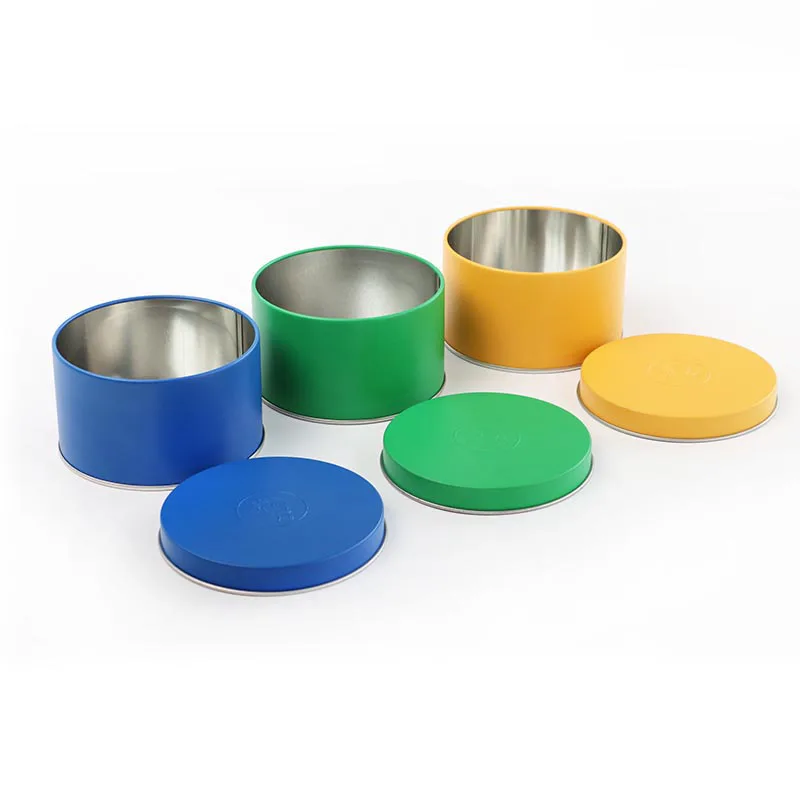
Cosmetic formulations vary widely, and packaging should respect that reality. A face cream jar and a pressed eyeshadow palette behave very differently under vibration and temperature swings. A good metal tin box with lid gift set solution focuses on protection at three levels: structure, insert, and interior surface control.
Shock and vibration protection in real shipping conditions
E-commerce shipping introduces repeated drops, conveyor impacts, and vibration across long routes. Even if the tin is strong, the products inside can still crack or leak if they can move. That’s why the insert is not optional for most sets, and why many brands validate packaging against distribution test procedures such as ISTA procedure 3A, which is widely used for small parcel environments.
Surface protection: preventing scratches and scuffs
Cosmetic brands often use decorated bottles and delicate cartons, and any abrasion inside the tin can reduce “gift quality.” A snug insert prevents rubbing, and interior finishes can be planned to reduce scuff risk. If the tin is intended to store cosmetics long-term, it’s worth designing the interior so it stays clean and presentable after repeated use.
Compatibility considerations (practical, not scary)
Most cosmetic products are already packaged in primary containers (bottles, jars, tubes), so the tin is usually secondary packaging. Even so, you should consider whether adhesives, insert materials, or strong inks could transfer odor in a tightly packed space, especially for fragrance sets. The safe approach is to choose stable materials, avoid excessive solvent odor, and confirm with pre-production sampling that the full gift set smells and looks exactly as intended.
Compliance, labeling, and responsible packaging for global cosmetic gift sets
Brands selling internationally must think beyond design. A beautiful tin that fails labeling requirements can create customs delays, marketplace takedowns, or retail rejection. A metal tin box with lid can help with durability and presentation, but it must be designed with real-world compliance and sustainability expectations in mind.
EU cosmetics: understand the framework early
If your gift set is sold in the EU, the cosmetics regulatory framework is based on Regulation (EC) No 1223/2009. Even though this regulation is mainly about product safety, labeling, and responsible person obligations, packaging and labeling choices are part of how brands comply in practice. You can reference the official consolidated text on EUR-Lex here: Regulation (EC) No 1223/2009 (consolidated).
US cosmetics: labeling clarity and truthfulness
In the United States, cosmetics labeling rules and guidance are an important practical topic for gift sets, because bundles often include multiple items and outer packaging. FDA provides an overview of labeling requirements and common issues for cosmetics, which is useful when planning how much text must fit on the tin, sleeves, or inserts. A helpful starting point is FDA’s page: Summary of Cosmetics Labeling Requirements.
GMP expectations and supply chain documentation
Many brands care about Good Manufacturing Practices across the full product supply chain, including packaging partners. ISO 22716 is a widely recognized cosmetics GMP guideline standard, and understanding it helps brands align packaging workflows, traceability, and hygiene expectations. You can read the ISO overview here: ISO 22716:2007 Cosmetics — GMP, and FDA has also published a guidance document that incorporates elements of ISO 22716 for cosmetic GMP thinking: FDA Cosmetic GMP Guidance (PDF).
Sustainability: why metal packaging is often chosen for gift sets
Many buyers and brands are looking for packaging that can be recycled at scale and also reused. In Europe, metal packaging organizations report high recycling performance, and steel packaging groups have reported “really recycled” rates using EU methodology (for example, Steel for Packaging Europe reported an 82% “really recycled” rate for steel packaging placed on the market in 2023). You can reference those figures here: Steel for Packaging Europe recycling rate news and broader metal recycling context here: Metal Packaging Europe recyclability & recycling.
Steel industry sustainability sources also highlight that large volumes of steel scrap are recycled and that recycling helps avoid emissions compared with producing virgin steel. For example, the World Steel Association circular economy page discusses steel recycling volumes and associated CO₂ avoidance. If your brand wants to communicate responsible packaging, the best path is to avoid vague claims and instead use specific, verifiable statements about recyclability, reuse design, and material choices.
How a custom metal tin box with lid is made in a tin box factory
A premium tin is a combination of design, tooling, process control, and finishing discipline. Customers often think printing is the hardest part, but structure and fit are just as important for perceived quality. A good factory workflow reduces variation so that every metal tin box with lid opens and closes the same way and looks consistent across batches.
Step 1: structure design and dielines
We start by confirming product dimensions, insert type, and pack-out plan. Then we develop dielines that consider corner radii, seam positions, lid depth, and stacking needs. This early step prevents problems later, like lids that scrape artwork or bases that deform under stacking load.
Step 2: tooling and sampling
Custom tins often need tooling that matches the required shape and lid geometry. Sampling is where brands can evaluate feel: opening force, edge comfort, hinge performance, and visual alignment. For cosmetic gift sets, sampling should include real products inside, because insert compression and packing density can change how premium the tin feels.
Step 3: printing, coating, and finishing
The decoration process can include base coating, color printing, and protective varnish layers. The finish is not just aesthetic; it also affects scratch resistance and long-term appearance. Cosmetic brands frequently choose matte or soft-touch looks, but it’s important to balance tactile appeal with durability for shipping and retail handling.
Step 4: forming, assembly, and inspection
Metal sheets are formed into bases and lids, edges are rolled for safety and rigidity, and components are assembled and inspected. Quality checks typically focus on dimensions, lid fit, surface defects, and functional opening. For gift sets with high expectations, tighter inspection standards are worth it because small dents or printing defects are highly visible on a metallic surface.
Making a cosmetic tin gift set ready for e-commerce and global shipping
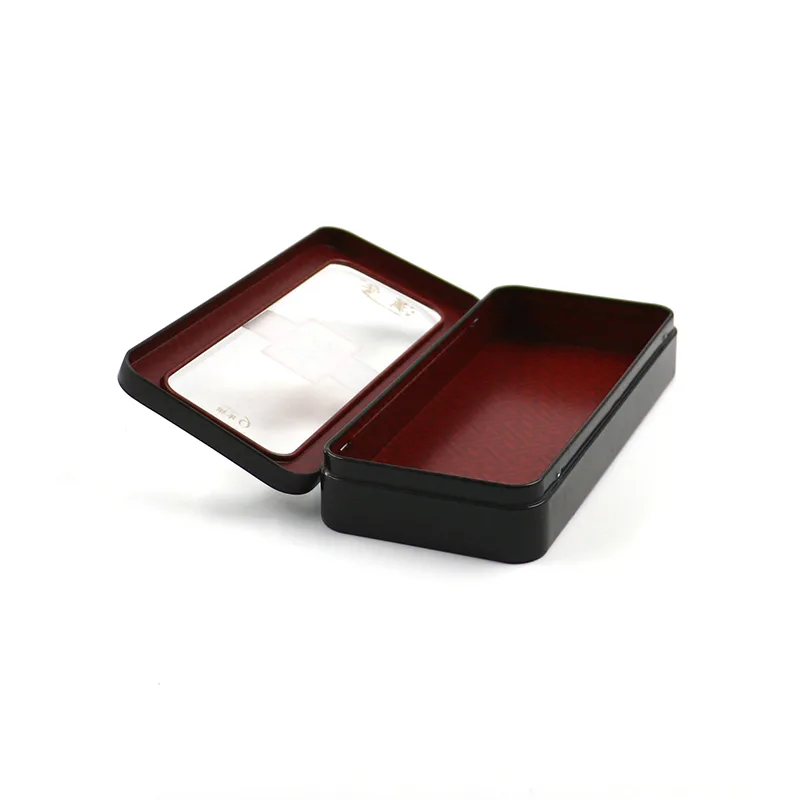
A gorgeous tin that arrives damaged is a lost sale and a brand trust problem. The best solution is to design the tin, insert, and shipper packaging as one system. When you plan the entire distribution path, your metal tin box with lid becomes both beautiful and reliable.
Learn from parcel testing logic
Parcel distribution can be brutal, especially during peak shopping seasons. Many brands validate packaging using structured test procedures that include drops, vibration, and compression, and ISTA is a common reference. If you want to understand what these procedures look like at a high level, ISTA provides an overview page for its test procedures, including ISTA 3A, which is frequently used for parcel shipments.
Smart shipper packaging choices
Even if the tin is strong, you should avoid letting it bounce inside a loose carton. The ideal shipper uses corner protection, correct void fill, and a snug fit that prevents the tin from acting like a “metal hammer” inside the box. For multi-unit shipments to retailers, pallet planning and layer pads also matter, because stacked loads can deform weak cartons even if tins remain fine.
Global logistics considerations
Cosmetic gift sets often cross borders, and customs inspections can be more frequent for consumer goods. Clear outer labeling, reliable carton sealing, and consistent packing lists reduce delays. If your gift set is used for seasonal campaigns, logistics timing is part of packaging design, because last-minute changes create high cost and high risk.
Cost drivers and ways to optimize a custom metal tin box with lid
Premium doesn’t have to mean wasteful. A successful tin project hits the right balance between look, protection, and unit economics. When you understand the real cost drivers, you can make smart choices without compromising the gift set experience.
The biggest cost factors (in real life)
Tooling complexity, tin size, printing coverage, specialty finishes, and insert type are major drivers. Larger tins use more material and can increase shipping cost due to dimensional weight, especially for e-commerce. Complex shapes and extra assembly steps also increase labor time, which affects total cost more than many brands expect.
Ways to save without looking cheaper
Standardizing dimensions across multiple SKUs can reduce tooling and simplify purchasing. Choosing a simpler lid structure while investing in better printing and a better insert can preserve premium feel at a lower cost. Another practical lever is optimizing the insert so you use less material while still preventing movement, which can reduce both cost and weight.
Planning MOQ and seasonal runs
Gift sets are often seasonal, which can lead to rush decisions and expensive changes. If you plan a reusable tin structure that can support multiple campaigns with updated artwork, you can amortize tooling and simplify the supply chain. A consistent metal tin box with lid platform also helps your brand keep a recognizable “gift signature” across years.
How to develop your custom cosmetic tin gift set with MrTinBox
A custom tin project is smoother when the workflow is clear. Most delays happen because brands finalize artwork before confirming structure, or because they approve samples without testing real pack-out. A simple, disciplined process avoids both problems and gets you to mass production confidently.
Step-by-step collaboration workflow
We begin with your gift set items, target market, and brand style, then propose a tin structure and insert concept that fits the pack-out plan. After that, we develop dielines and artwork guidelines so your design team can place graphics correctly. Once samples are approved, we move into production planning, inspection standards, and shipping preparation so your metal tin box with lid arrives ready for retail or fulfillment.
What to prepare before starting
Bring product dimensions (or samples), target quantities, preferred lid type, and any brand guidelines for color and finishing. If you sell in multiple markets, share your labeling plan early so we can advise where text may need to go (tin body, sleeve, insert card, or outer carton). The earlier you clarify these points, the easier it is to create a tin that looks premium and functions perfectly.
The result you should aim for
The best outcome is a tin that protects every cosmetic item, matches your brand, and feels valuable enough that customers keep it. When customers reuse the tin, your packaging becomes a brand artifact, not a disposable container. That’s the true advantage of a well-made metal tin box with lid for cosmetic gift sets.
Frequently asked questions about metal tin boxes with lids for cosmetic gift sets
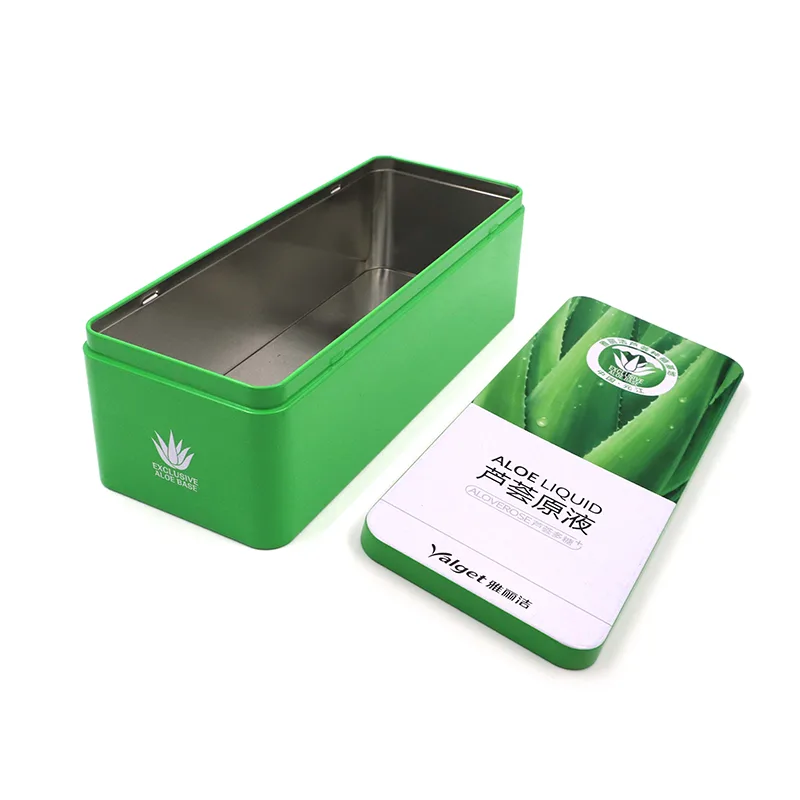
How do I choose the right tin size for a gift set?
Start with your product arrangement and insert design rather than guessing an outer box size. A well-planned layout reduces empty space, prevents damage, and makes the metal tin box with lid feel intentional rather than oversized.
Is a metal tin box with lid “airtight” for cosmetics?
Most cosmetic gift tins are designed for protection and presentation, not laboratory airtight sealing. If you need improved dust resistance or a tighter closure feel, we can explore lid fit options and liner concepts, but you should define what “airtight” means for your product use case.
Can I print photo-quality artwork on a tin?
High-quality graphics are possible, but the best result depends on artwork preparation, coating choices, and proof approvals. It’s important to review samples under consistent lighting and confirm that metallic substrate effects match your expectations for the brand look.
What’s the best insert material for a luxury cosmetics set?
There isn’t one “best” option, because the right insert depends on product fragility, desired premium feel, sustainability goals, and budget. Many luxury sets choose inserts that feel soft and structured, but the most important factor is whether the insert holds each item securely inside the metal tin box with lid.
How can I make my tin gift set more sustainable without greenwashing?
Focus on verifiable features: reuse design, durable build, and credible recyclability statements. If you want public-facing claims, use reliable references about metal recycling and avoid vague language, using sources like Metal Packaging Europe or steel recycling context from the World Steel Association.
Turn your cosmetic gift set into a keepsake
Cosmetic gift sets are about emotion, and packaging is the first emotional cue. A well-designed metal tin box with lid makes the set feel premium, protects the products through shipping, and creates long-term brand presence through reuse. When you combine smart structure, beautiful finishing, and a stable insert layout, the tin becomes part of the product experience—not just a container.
If you’re planning a new cosmetic gift set or upgrading an existing one, MrTinBox can help you design, sample, and produce a custom metal tin box with lid that looks luxury, ships safely, and supports your brand story across markets.