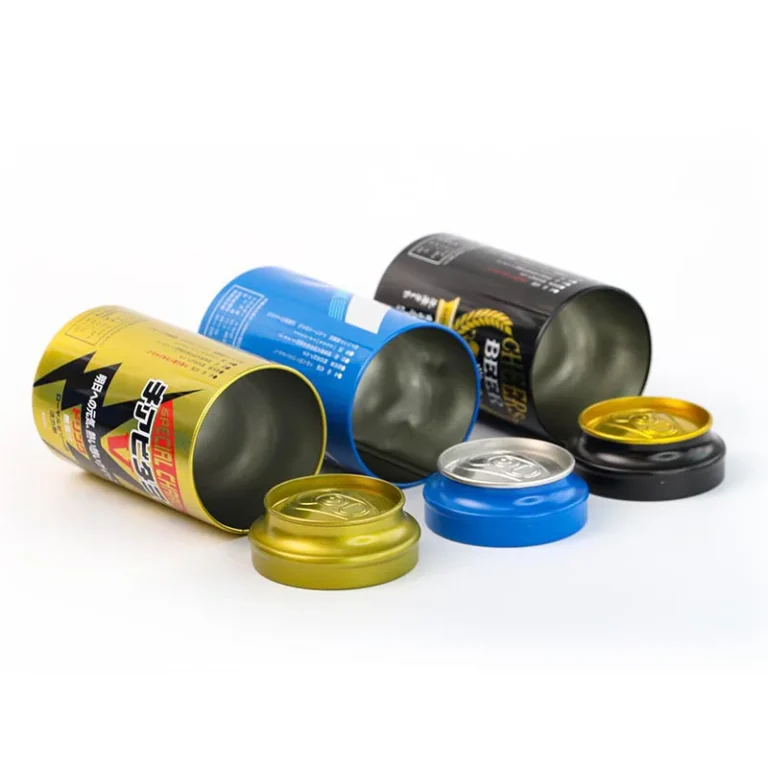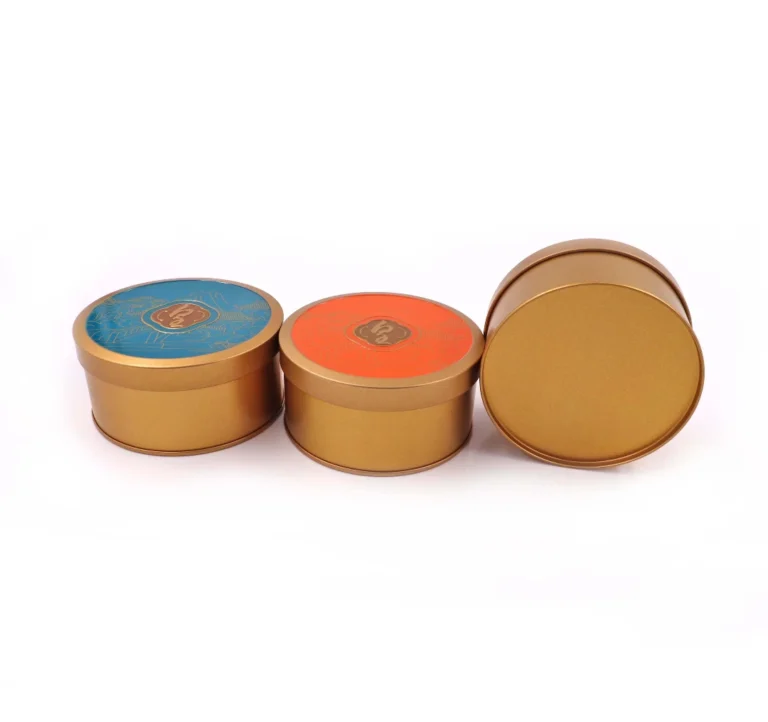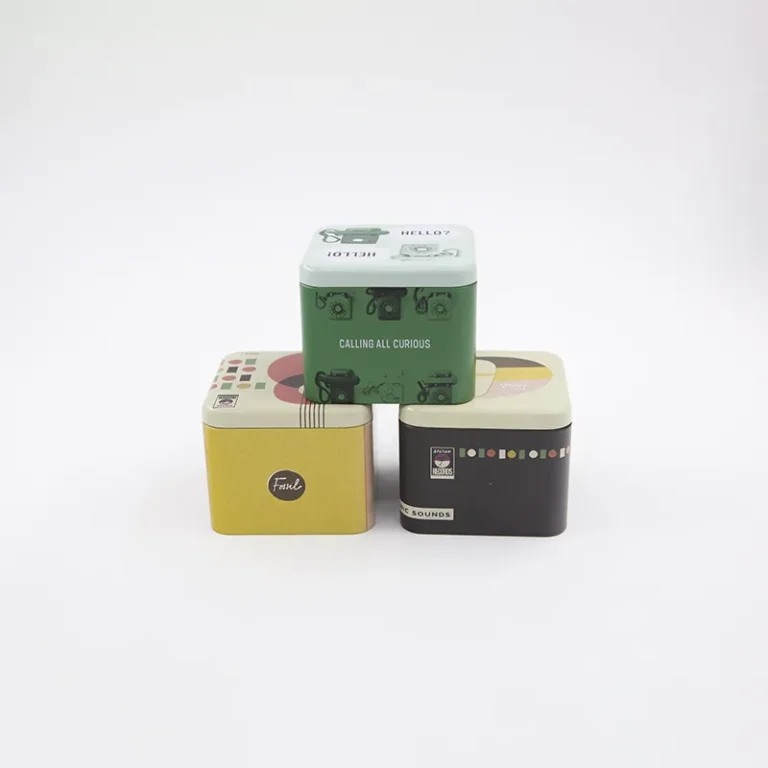

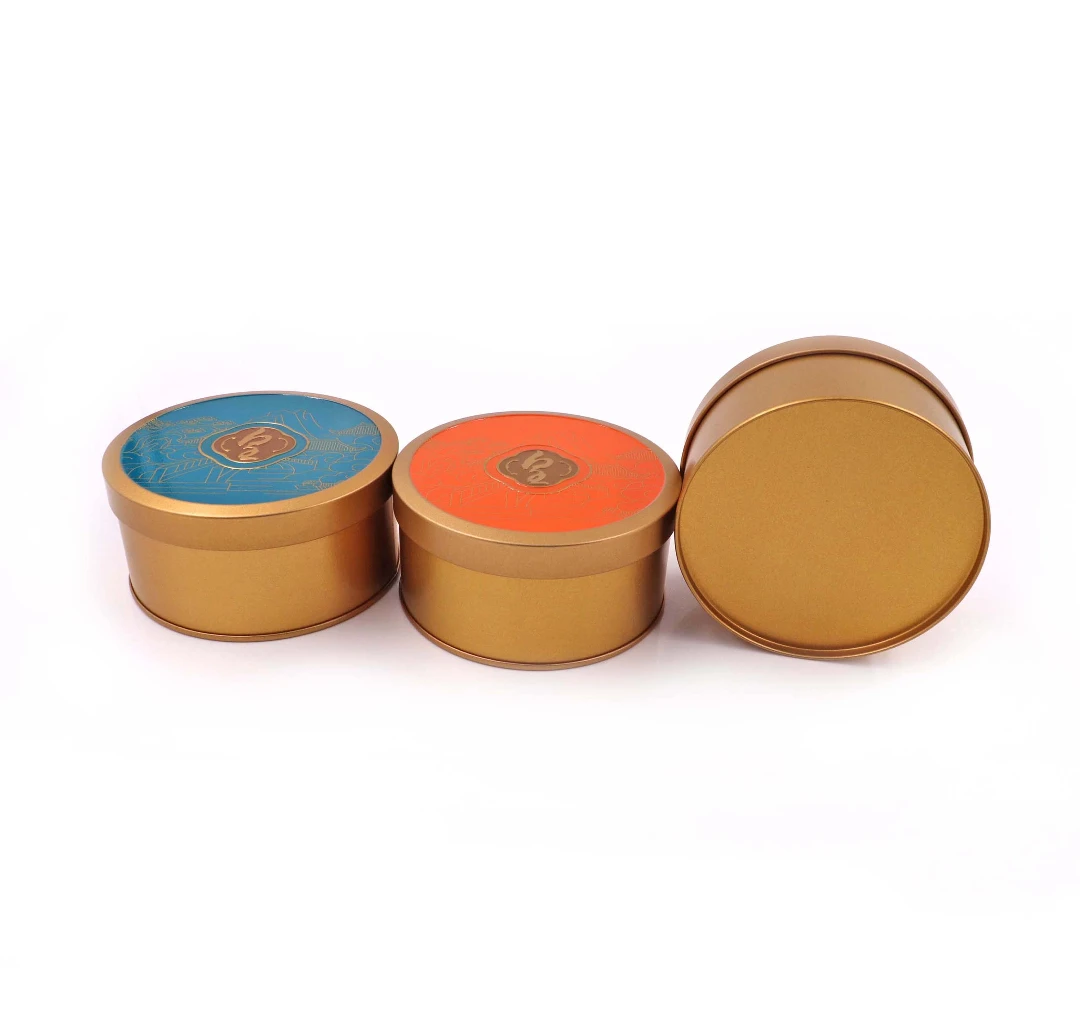

Luxury confectionery is sold with the eyes first and remembered with the hands. A Custom Metal Tin Box turns chocolates, biscuits, and gourmet sweets into a giftable object—one that protects freshness, elevates perceived value, and keeps your brand on the customer’s desk long after the last piece is gone. This guide explains how premium tins are designed, finished, and produced for high-end confectionery brands—without making packaging feel complicated.
Table of Contents
Why Premium Confectionery Brands Choose a Custom Metal Tin Box

Premium is a story, not just a recipe
In high-end confectionery, customers aren’t only paying for ingredients; they’re paying for craftsmanship, heritage, and emotion. A Custom Metal Tin Box gives that story a physical form through weight, sound, texture, and precision fit—signals that immediately say “premium” before the lid even opens. That’s why luxury brands often treat the tin as part of the product, not a disposable outer layer.
Gifting culture makes packaging a revenue lever
Confectionery over-indexes in seasonal gifting, corporate gifting, and travel retail. When the package is sturdy, photogenic, and easy to carry, it becomes the default choice for “safe gifting,” which helps brands win at higher price points and limited editions. Market research also shows continued momentum in premium chocolate consumption, which raises the stakes for packaging differentiation in the premium tier. Grand View Research
Shelf impact and “unboxing” are now a sales channel
A tin’s reflective sheen, emboss depth, and color stability create stronger shelf contrast than many paper-based packs, especially under retail lighting. Online, the same tactile features translate into compelling close-up content for product pages and social media. Packaging becomes a “silent salesperson,” especially when customers compare premium options side-by-side.
What Makes a Custom Metal Tin Box Feel Truly High-End
Structure quality customers can feel
Luxury is often a game of tolerances. A high-end Custom Metal Tin Box uses consistent material thickness, controlled forming, and clean edge finishing to avoid sharpness, waviness, or lid wobble. Even small structural upgrades—like reinforced corners, rolled edges, and improved hinge geometry—can dramatically change the “hand feel” and perceived value.
Premium printing is more than CMYK
For confectionery brands, color accuracy is identity. A luxury tin typically uses offset printing (with strict color management), then adds finishing layers—matte varnish, gloss highlights, soft-touch, or textured coatings—to create contrast. Done well, these finishes guide the customer’s fingers to your logo and key design elements, making brand recognition almost automatic.
The finishing trio that screams “luxury”
A practical luxury formula is emboss/deboss + foil + selective gloss/UV. Embossing builds tactile hierarchy, foil adds light-catching prestige, and selective gloss makes focal points pop without making the whole tin look shiny or cheap. These are proven visual tools in premium packaging because they read as “expensive” even from a distance.
Freshness & Protection—Why Tins Perform for Confectionery
Barrier protection that supports taste and aroma
Many high-end sweets are sensitive to moisture, odor transfer, and light exposure. A tin is inherently rigid and offers strong light blocking, while the closure design can be engineered for a tighter fit and better reclose performance. The result is fewer crushed pieces, fewer scuffed surfaces, and a more consistent “first bite” experience—especially for delicate assortments.
Food-contact compliance is part of premium trust
When confectionery brands ship globally, packaging must be designed with regulatory expectations in mind. In the EU, food contact materials must comply with the framework requirements of Regulation (EC) No 1935/2004, and the European Commission outlines the expectations at a high level for materials intended to contact food. For the U.S., the FDA explains the concept of food contact substances and the broader consumer-facing context of food packaging safety. These references matter because premium customers associate compliance with brand integrity, even if they never read the documents. (EU: European Commission – Food Contact Materials, U.S.: FDA – Food Packaging & Food Contact Substances) Food Safety
Engineering details that reduce returns and complaints
For e-commerce and export, transit damage is an invisible profit killer. Strong tins reduce corner crush and help maintain “gift-ready” appearance, while inner trays, dividers, and paper/food-safe inserts stop pieces from colliding during transport. If your product is shipped via parcel networks, it’s worth designing packaging to withstand realistic distribution hazards and aligning validation with recognized transit test approaches such as those described by ISTA. (ISTA – Test Procedures Overview) ista.org
Sustainability & Reusability—Why a Custom Metal Tin Box Fits Modern Luxury

Steel’s recycling advantage is real—and measurable
Premium brands are under pressure to show sustainability without compromising aesthetics. Steel packaging performs strongly here because steel is magnetically separable, widely recovered, and recycled at high rates in many markets—making it a practical material for circular packaging systems. World Steel Association explains why steel is easy to recover and emphasizes its role in circular economy pathways. (worldsteel – Circular Economy) World Steel Association
High recycling rates support credible brand claims
In Europe, Steel for Packaging Europe reported that 82% of steel packaging placed on the market was “really recycled” in 2023 (meaning it entered actual recycling operations, not merely collected). In the U.S., EPA has published estimates for steel can recycling rates (for example, 70.9% in 2018) as part of its material-specific waste and recycling data. These datapoints help premium confectionery brands support sustainability statements with numbers rather than vague marketing language. (EU: Steel for Packaging Europe – 2023 data, U.S.: EPA – Ferrous Metals Data) steelforpackagingeurope.eu
Customers reward sustainable choices—especially younger buyers
Luxury buyers increasingly expect “premium with principles,” and that expectation is strongest among Gen Z and millennials. Deloitte’s 2024 survey reports that around two-thirds of Gen Z (64%) and millennials (63%) say they are willing to pay more for environmentally sustainable products or services. For a confectionery brand, a reusable tin can be positioned as both a keepsake and a sustainability step—without sacrificing gift appeal. (Deloitte – 2024 Gen Z & Millennial Survey) Deloitte
Design Options by Confectionery Format
Chocolate assortments and pralines
Assortments benefit from compartment logic. A Custom Metal Tin Box can be engineered with fitted trays, dividers, or stepped layers that keep pieces separated and protect delicate decorations. Brands often combine matte surfaces with localized gloss on the logo to signal refinement and keep fingerprints less visible.
Biscuits, cookies, and shortbread
For biscuits, the priority is crush resistance and humidity management. Deeper tins with rolled edges plus an inner bag or sleeve can preserve crispness while preventing breakage during shipping. Hinged tins are popular for this category because the opening motion feels familiar and gift-like.
Hard candy, mints, and lozenges
Small-format candies work well with slim tins that fit pockets and handbags. Sliding tins and click-lock styles create a collectible vibe and increase repeat purchases because customers keep the tin and refill it. In this segment, bold colorways and strong brand icons tend to outperform intricate artwork.
Seasonal and limited-edition collections
Seasonal SKUs are where tins shine brightest. Holiday emboss patterns, collaboration artwork, and numbered editions transform packaging into a collectible, which reduces price sensitivity and encourages gifting multiples. A limited edition tin also creates a natural “drop” moment for social campaigns and PR outreach.
The Manufacturing Workflow—From Brand Brief to Mass Production
Step 1: Requirements that prevent cost surprises
Premium tins should start with clarity: size, fill weight, product layout, opening style, artwork approach, and finish targets. When these details are locked early, the structure can be optimized for both aesthetics and manufacturability, reducing revisions that burn time and budget. A good supplier will also advise on stackability, carton efficiency, and risk points like sharp corners or overly tight tolerances.
Step 2: Engineering and sampling to validate the experience
A prototype is not only about fit; it’s about feel. Sampling confirms lid behavior, hinge alignment, edge smoothness, and the way finishes look under different lighting. For luxury confectionery, this step often includes color proofing and finish swatches so the final tin matches brand standards across regions and reorders.
Step 3: Mass production with controlled consistency
Once approved, production success depends on process control: consistent material lots, stable printing, accurate forming, and repeatable assembly. Mature factories document QC checkpoints from incoming inspection to final packing, ensuring that “premium” remains consistent even at scale. This is where long-term OEM relationships are built, because the brand needs stability across years—not just one good batch.
Quality Standards That Matter for High-End Tins

Visual QC: luxury customers notice everything
High-end buyers notice scratches, dust inclusions in varnish, misregistered artwork, and uneven emboss depth. A premium Custom Metal Tin Box program typically defines measurable standards for surface quality, color tolerance, and logo placement—then checks them batch by batch. Consistent QC reduces reputational risk because luxury customers are less forgiving of cosmetic defects.
Functional QC: “open-close” is part of the product
The lid should open smoothly, close cleanly, and feel solid without being difficult. Hinge fatigue, lid looseness, or sharp edges are not minor issues in luxury—they break the experience. Functional QC often includes repeated open-close checks, drop considerations, and packing validation to reduce transit scuffing.
Transport validation for global shipping
If your brand sells through e-commerce or exports in volume, distribution hazards are predictable. ISTA explains how different test series simulate shipment types and risks, which helps brands decide how to validate packaging performance for their channel. Even when you don’t certify, designing with these known hazards in mind reduces returns and keeps gift presentation intact. ista.org
Cost Drivers—and Why Premium Tins Still Win the Value Equation
The real cost is not the unit price
Luxury brands should evaluate packaging by total value, not only cost per piece. A Custom Metal Tin Box can reduce damage, improve perceived value, increase gift conversion, and extend brand visibility through reuse—all of which support higher margins. When the tin becomes a keepsake, it also becomes recurring brand media in the customer’s home.
What typically changes the price the most
Structure complexity (hinges, unusual shapes), finishing complexity (multi-step effects), and packing inserts are the biggest cost levers. Freight efficiency can matter just as much as factory price, especially for bulky gift sets, so smart sizing and carton planning should be part of the design phase. A capable manufacturer will show you cost options without forcing you to compromise your premium identity.
How to plan MOQ and lead time for seasonal launches
Seasonal confectionery requires backwards planning: sampling, artwork lock, production, sea/air time, and distribution. A practical strategy is to secure a “core structure” that repeats each season, then refresh artwork and finishes for limited editions. This approach protects speed while keeping your packaging new.
Why Mr. Tin Box is a Strong Partner for High-End Confectionery Brands
We design tins as brand assets, not containers
For premium confectionery, packaging must protect the product and elevate the brand in the same moment. Our approach focuses on structure precision, finish craftsmanship, and repeatable quality control so your tin looks and feels consistent across reorders. A Custom Metal Tin Box should be something customers keep—and that requires attention to both engineering and aesthetics.
Global-ready documentation and compliance mindset
High-end brands sell across borders, and packaging needs to support that reality. We build projects around food-contact expectations and provide the documentation framework brands typically need for audits and importer requirements, guided by the regulatory context described by EU and U.S. authorities. Food Safety+1
Sustainability claims you can support with credible sources
Steel’s recyclability and strong recovery performance in major markets help premium brands speak about sustainability with more confidence. When brands reference widely recognized industry and governmental sources—such as worldsteel, Steel for Packaging Europe, and EPA—it strengthens trust and reduces the risk of vague or challengeable claims. World Steel Association+2steelforpackagingeurope.eu
FAQs—Quick Answers for Brand Teams
What tin shapes work best for luxury confectionery?
Rectangular, round, and book-style tins are popular because they stack well, photograph well, and protect product corners. Unusual shapes can be stunning, but they should be evaluated for mold cost, assembly complexity, and shipping efficiency. The best shape is one that matches your product story and stays manufacturable at scale.
Can a Custom Metal Tin Box be both luxury and eco-friendly?
Yes, when it is designed for reuse and recyclability. Steel’s recovery and recycling advantages, combined with a “keepsake” design, support a credible sustainability narrative—especially when paired with clear, accurate claims. World Steel Association
How do we avoid color mismatch between tin and paper accessories?
You need a single color standard and a controlled proofing workflow. We recommend defining Pantone targets where possible, approving print proofs carefully, and aligning paper insert suppliers to the same color references. This is especially important for luxury brands where “almost right” still looks wrong.

Next Step—Turn Your Confectionery into a Collectible Gift
If your brand is launching a seasonal collection, signature assortment, or premium gifting line, a Custom Metal Tin Box can upgrade the entire product experience in one move. Share your target size, product format, artwork direction, and finish inspiration, and we’ll recommend a structure and finishing plan that balances luxury feel, manufacturability, and global delivery. The goal is simple: protect the sweets, elevate the brand, and create a tin customers keep.