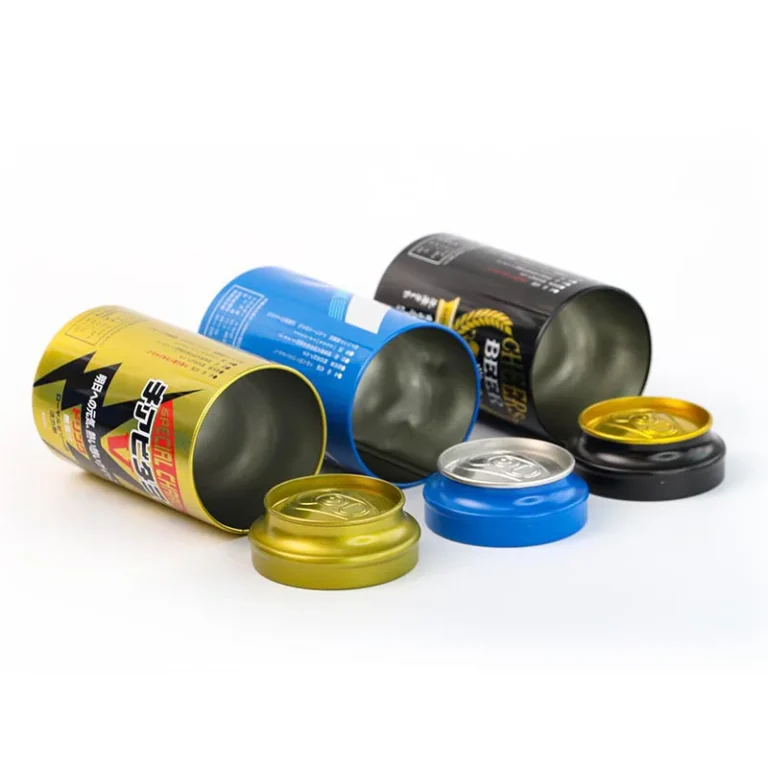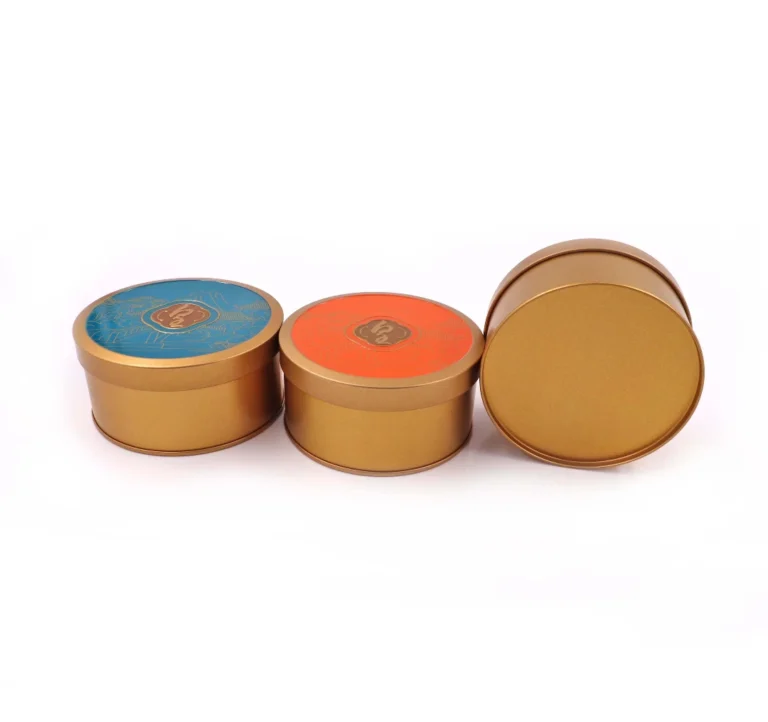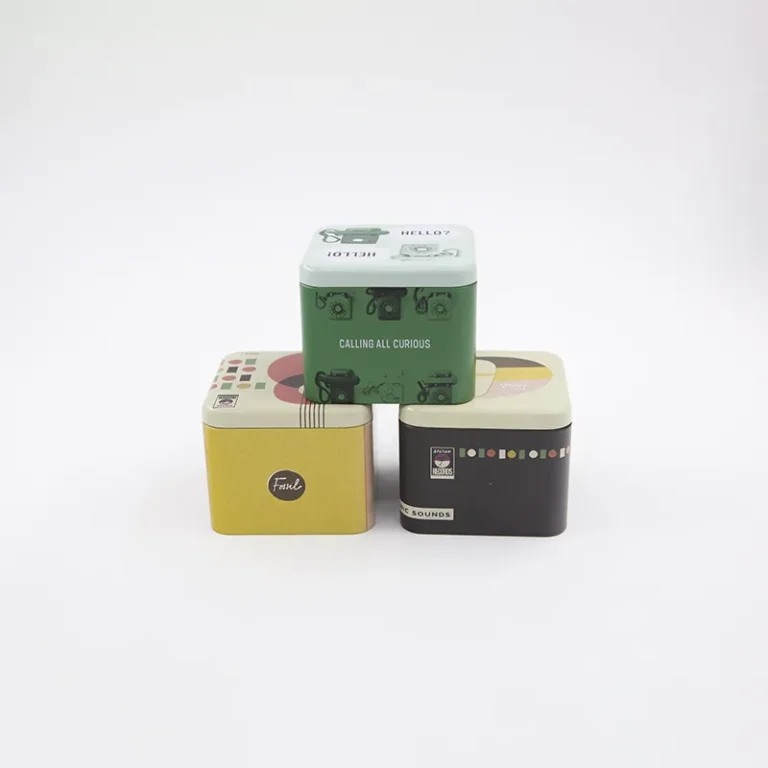

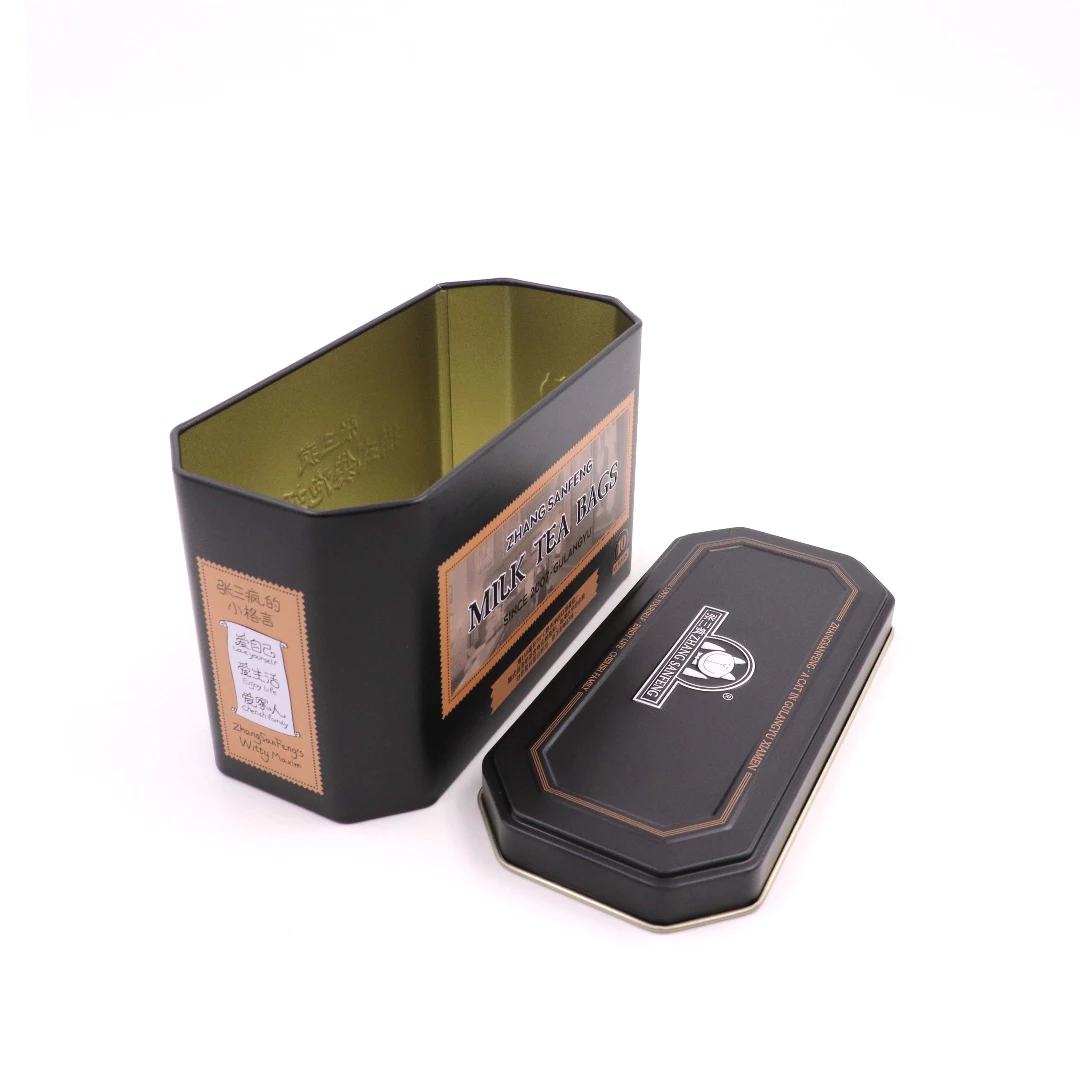

Industrial components don’t fail only because of design flaws—they often fail because of handling, vibration, moisture, corrosion, or ESD exposure somewhere between your factory and your customer’s production line. That’s why more OEMs and industrial brands are replacing disposable cartons with Custom Metal Box packaging that protects parts, supports traceability, and strengthens brand credibility the moment the box is opened.
Why Industrial Components Need Smarter Packaging

Industrial parts face “hidden” damage risks in transit
A precision sensor, bearing, connector, or machined fastener can look fine on arrival yet still be out of spec due to micro-scratches, denting, or contamination. Once a component is installed, that tiny defect becomes expensive downtime, returns, and root-cause investigations that waste engineering time.
A Custom Metal Box provides rigid structural protection that resists crushing, corner impacts, and repetitive vibration cycles better than many paper-based solutions. It also creates a controlled “micro-environment” where you can add inserts, desiccants, or corrosion inhibitors to reduce risk over long shipping routes and storage periods.
Packaging is part of your quality system
If your business operates under a quality management framework, packaging is not just “a box”—it’s part of product conformity and customer satisfaction. ISO describes ISO 9001 as a globally recognized standard for quality management systems and continual improvement, which naturally includes consistent packaging methods and verification steps in the shipment process. (See ISO’s overview of ISO 9001 here: https://www.iso.org/standard/62085.html)
When industrial buyers evaluate suppliers, they notice whether packaging feels engineered or improvised. A Custom Metal Tin Box signals that your organization treats handling risk seriously, especially for high-value or safety-critical components.
What a Custom Metal Box Adds vs. Standard Cartons
Stronger protection with a better unboxing workflow
A carton can protect well if it’s designed perfectly, but it’s still vulnerable to humidity, compression, and repeated handling. A Custom Metal Tin Box holds its shape, stacks reliably, and offers repeatable opening/closing for inspection, kitting, and line-side storage.
Just as important, metal boxes can be designed to guide the user: a lid that opens to a defined angle, a part presentation layout that reduces touch points, and a labeling zone that prevents operators from hunting for identification. For industrial components that get issued to technicians or stored in maintenance rooms, the box becomes part of operational efficiency.
Designed for reuse, return, and long-term storage
Industrial components are often shipped in cycles—factory to integrator, integrator to site, site back to service, and sometimes back again. A Custom Metal Tin Box supports returnable workflows far better than disposable packaging, particularly when combined with durable printing, serialized labels, and standard pallet patterns.
Sustainability is also increasingly tied to customer requirements and regulations. The European Commission’s packaging rules aim to reduce packaging waste and transition toward a more circular economy. (Packaging waste policy context: https://environment.ec.europa.eu/topics/waste-and-recycling/packaging-waste_en)
Material and Coating Choices for Industrial-Grade Metal Boxes
Choosing the right base metal: tinplate and beyond
Many industrial metal packaging projects use tinplate (electrolytic tin-coated steel) because it forms well, prints well, and offers corrosion performance when properly coated. ASTM provides a standard specification covering electrolytic tin plate used for cans, closures, and related products, which is relevant when you want consistent incoming material characteristics. (ASTM A624/A624M overview: https://www.astm.org/Standards/A624.htm)
Depending on your application, you may also consider other steel grades or thicknesses for higher rigidity, deeper draws, or specific mechanical requirements. The correct choice depends on box size, wall height, lid structure, and whether your design uses hinges, rolled edges, or locking features.
Coatings, inks, and chemical compliance considerations
Industrial buyers increasingly ask about coatings, inks, and compliance—especially when packaging enters regulated markets or contact-sensitive environments. If your products are electrical/electronic assemblies, your packaging program may need to align with broader compliance expectations such as RoHS and chemical management practices. The European Commission summarizes RoHS as EU rules restricting hazardous substances in electrical and electronic equipment. (RoHS overview: https://environment.ec.europa.eu/topics/waste-and-recycling/rohs-directive_en)
For EU-facing supply chains, chemical transparency also matters. The European Commission describes REACH as the main EU law to protect human health and the environment from chemical risks by identifying substance properties and restricting substances of concern. (REACH overview: https://environment.ec.europa.eu/topics/chemicals/reach-regulation_en)
A well-specified Custom Metal Tin Box project should define coating system expectations early—scratch resistance, solvent resistance, salt spray targets (if applicable), and whether you need low-odor or low-VOC coating choices.
Engineering the Interior: Inserts, Compartments, and Part Presentation

Inserts do more than “hold the part”
For industrial components, the insert is often the real protection system, while the metal box is the rigid shell. A great insert design prevents movement, reduces abrasion, and ensures the component is presented consistently for inspection or assembly.
Common insert strategies include precision-cut foams, layered EVA, EPE cushioning, flocked trays for cosmetic surfaces, and compartmental layouts for kits. For mixed-component shipments (fasteners + seals + small PCBs), a Custom Metal Tin Box can include multi-zone inserts that prevent cross-contamination and reduce missing-part errors.
Designing for the user’s process
If your customer opens the package at a production line, your insert should support fast identification and minimal handling. A smart design can place the label-facing side up, keep the component in a defined orientation, and include a “document pocket” area for certificates, inspection records, or QR-based instructions.
This is where custom metal box packaging becomes a performance tool: you’re not just shipping a component—you’re shipping a repeatable, low-error workflow.
Corrosion Control and Cleanliness for Sensitive Parts
Moisture, fingerprints, and airborne contaminants are real threats
Corrosion risk is not limited to ocean shipping; it can occur in humid warehouses, during seasonal temperature cycling, or when parts are stored for long periods. A Custom Metal Tin Box can be specified with tight-fitting structures and paired with desiccants, barrier materials, or corrosion-inhibiting solutions to reduce oxidation and cosmetic damage.
For military-style preservation logic, MIL-STD-2073 is widely referenced for methods intended to protect materials against corrosion and deterioration during storage and shipment. (MIL-STD-2073 PDF: https://www.woodencrates.org/standards/MIL-STD-2073.pdf)
When clean packaging matters
If your components go into controlled environments—medical devices, optics, precision valves, or clean assembly processes—you may need packaging that supports cleanliness requirements and controlled handling. The ISO 14644 family covers cleanrooms and associated controlled environments, and ISO also provides related guidance for cleanroom consumables. (ISO cleanroom standards portal: https://www.iso.org/obp/ui/en/)
In these cases, a Custom Metal Tin Box can be designed to minimize particle generation, support secondary bagging, and maintain part presentation without repeated contact.
ESD and Electronics Protection in Custom Metal Box Packaging
ESD control is not optional for many assemblies
If you ship electronic modules, sensors, boards, or assemblies that are ESD-sensitive, packaging needs to support your ESD control program. The ESD Association describes ANSI/ESD S20.20 as a cornerstone standard for establishing an ESD control program, including controls related to packaging and handling. (ESDA overview: https://www.esda.org/news/an-overview-of-ansiesd-s20-20/)
A Custom Metal Tin Box can be combined with ESD-safe insert materials, shielding bags, or protective layers to reduce risk during transport and storage outside an ESD protected area. The key is to define the system: what needs shielding, what needs dissipation, and what environmental conditions the customer expects.
EMI shielding and rugged field use
For rugged industrial deployments, the packaging may also serve as storage in the field—tool cribs, maintenance trucks, or remote sites. Metal box packaging can provide added physical durability and, in some designs, improved shielding performance compared to thin disposable materials, depending on how the box is used and grounded in the customer’s workflow.
Traceability, Marking, and Logistics-Friendly Design

Traceability improves speed and reduces disputes
Industrial supply chains are increasingly data-driven, and packaging is often the fastest way to connect the physical item to digital records. GS1 provides global standards for identification and barcodes used in business applications, which many buyers recognize and prefer for interoperability. (GS1 standards overview: https://www.gs1.org/standards/standards-overview)
With a Custom Metal Tin Box, you can integrate durable barcode/QR zones, laser-etched plates, or protected label recesses that reduce abrasion. This supports receiving accuracy, FIFO rotation, maintenance tracking, and warranty workflows—especially when components are expensive or serialized.
Handling symbols and shipping clarity
If you ship internationally, standardized handling marks reduce mistakes. ISO 780 specifies symbols used for marking packages in the distribution chain to convey handling instructions. (Example ISO 780 document: https://cdn.standards.iteh.ai/samples/20323/4d661306b20b40b69003ce325eca0f29/ISO-780-1997.pdf)
A metal box can carry those symbols permanently through embossing, printing, or durable labeling—useful when the same box is reused across multiple shipments.
Sustainability and Total Cost of Ownership
Recyclability and circular value
Sustainability is not just a marketing trend; many industrial customers now ask for evidence of recyclability and waste reduction. World Steel Association explains steel’s role in the circular economy and notes that around 680 million tonnes of steel were recycled in 2021, avoiding over one billion tonnes of CO₂ emissions compared with producing virgin steel. (worldsteel circular economy page: https://worldsteel.org/wider-sustainability/circular-economy/)
For packaging specifically, Steel for Packaging Europe reported that 82% of steel packaging placed on the market was “really recycled” in 2023 (i.e., entered actual recycling operations). (Record recycling statement: https://www.steelforpackagingeurope.eu/news/steel-packaging-achieves-highest-recycling-rate-on-record/)
Returnable packaging economics
A Custom Metal Tin Box often pays back through fewer damaged shipments, fewer re-shipments, improved line-side efficiency, and stronger brand perception. When used as returnable packaging, the per-cycle cost can become very attractive—especially if your customer already runs return logistics for totes, racks, or bins.
Even when boxes are not returned, customers may keep them as storage assets, which extends brand exposure and reduces the “disposable packaging” impression that many industrial buyers want to avoid.
Mr.Tin Box Approach: From Concept to Industrial-Ready Production
Design that starts with your component risk profile
At Mr.Tin Box (mrtinbox.com), we treat industrial packaging like a mini engineering project. A successful Custom Metal Tin Box begins with clear answers: what are the damage risks, what is the shipping environment, how will the customer open and use the packaging, and what compliance or labeling requirements must be met?
When these inputs are defined early, the final packaging becomes predictable and scalable. That means fewer redesign loops, fewer surprises during mass production, and faster onboarding for your customer’s receiving and assembly teams.
Manufacturing steps that support consistency
A reliable custom metal packaging program typically includes structural design, sampling, tooling/mold development, forming, surface finishing, printing, and final QC. The goal is repeatable fit, predictable lid feel, consistent color matching, and packaging that remains stable under storage and transport conditions.
If your business is also tracking environmental performance, ISO describes ISO 14001 as an internationally recognized standard that provides a framework for environmental management systems and continual improvement. (ISO 14001 overview: https://www.iso.org/standard/60857.html)
How to Specify Your Custom Metal Tin Box Packaging for Fast Quoting

The practical checklist that prevents delays
To quote and engineer a Custom Metal Tin Box efficiently, you should define the part details and the shipping reality, not just the box size. The most useful inputs include component dimensions and weight, target quantity, shipping mode (air/sea/ground), storage duration, and whether the component is sensitive to ESD, corrosion, or abrasion.
It also helps to share your branding and operational needs: print coverage, color requirements, label layout, serial/lot tracking, and whether the box should be reusable or returnable. When these details are clear, the structural design and insert approach can be aligned with your real-world constraints instead of guesswork.
Common industrial applications we support
Industrial buyers use Custom Metal Tin Box solutions for precision fasteners and hardware kits, bearings and mechanical spares, sensors and instrument modules, CNC and automation spare parts, medical/clean assemblies, and high-value components that require a premium but rugged presentation. In each case, the best packaging is the one that reduces handling risk while also improving the customer’s internal workflow.
Turn Packaging Into a Competitive Advantage
Industrial buyers don’t want packaging that merely “looks nice”—they want packaging that reduces failure risk, improves traceability, and saves time. A well-designed Custom Metal Tin Box can protect components better, present them more professionally, and support reuse or recycling goals without sacrificing practicality.
If you want your next shipment of industrial components to arrive with fewer issues and a stronger brand impression, custom metal box packaging is one of the simplest upgrades with the biggest operational impact.
FAQ
What is custom metal box packaging?
Custom metal box packaging is specially designed containers made from metal, often tinplate, that protect industrial components during transportation and storage. These boxes are sturdier than cardboard cartons, helping to prevent damage from moisture, vibration, and handling.
Why should we use metal boxes instead of cardboard?
Metal boxes offer stronger protection against crushing and environmental damage compared to cardboard. They create a safe environment for components, helping to ensure that parts arrive in good condition, reducing the risk of returns and failures later on.
How do custom metal boxes support sustainability?
Custom metal boxes are recyclable and support sustainability efforts. Many industrial customers now ask for packaging made from materials that can be reused or recycled, which helps reduce overall waste and supports a circular economy.
What types of inserts can be added to metal boxes?
Inserts can be made from various materials like foam or EPE cushioning to keep parts secure and prevent movement. They help ensure that each component is well protected and easy to access during inspection or assembly.
How do I know if my components need corrosion protection?
If your components are sensitive to moisture or are often transported in humid conditions, you need corrosion protection. Custom metal boxes can include features like tight-fitting lids and desiccants to keep moisture out and prevent rust.
What is traceability in packaging?
Traceability refers to the ability to track a product through its life cycle. Metal boxes can be designed to include barcodes or QR codes that connect to digital records, making it easier to verify information about each component throughout the supply chain.
How can custom metal packaging improve efficiency?
Well-designed packaging can streamline processes by simplifying how items are stored and handled. Features like easy-opening lids and organized interior layouts help workers quickly access and identify parts while minimizing handling time.
What does ESD-sensitive mean?
ESD stands for electrostatic discharge, which can damage sensitive electronic components. If your products are ESD-sensitive, your packaging must include ESD-safe materials to prevent static electricity from causing harm during shipping and storage.
How can I request a custom metal box design?
To request a custom design, provide details like the dimensions and weight of your components, estimated shipping quantity, and any specific branding requirements. This information helps in creating the most suitable box design for your needs.
What industries benefit from custom metal boxes?
Various industries use custom metal boxes, including manufacturing, electronics, healthcare, and automotive. They are suitable for any industry where product integrity is critical during shipping and storage.