



Choosing between metal packaging and plastic is no longer just a cost or aesthetics decision. For many brands, it has become a measurable sustainability decision—one that affects carbon footprint, recyclability outcomes, litter risk, and even product shelf life.
This environmental impact review compares metal packaging vs plastic in plain language, using real-world recycling and policy data (with authoritative sources linked inline), and ends with a practical framework you can use to choose the right packaging for your product.
Table of Contents
Why this comparison is tricky (and why it still matters)

Comparing metal packaging and plastic can feel confusing because “environmental impact” is not one single metric. A lightweight plastic pouch may look “low carbon” in transport, but it can be extremely difficult to recycle in practice and may become litter or microplastics if mismanaged. A metal tin may require more energy upfront, but it can be recycled repeatedly with strong value retention, and it often enables reuse.
The most honest approach is to evaluate packaging using the same functional goal: protecting a product, safely, through distribution, and then returning the material to the economy (or keeping it in use) at end of life.
What “environmental impact” means for packaging
Carbon footprint across the lifecycle (not only manufacturing)
A credible carbon comparison should include raw material extraction, processing, packaging conversion, transportation, and end-of-life pathways (recycling, landfill, incineration). This is the logic behind life cycle assessment (LCA). If you only compare “weight,” you will miss where most impacts occur.
Energy sources matter as well. The same material can have very different emissions depending on the electricity grid, the percent recycled content, and the collection system available to your customers.
Circularity and real recycling outcomes
“Recyclable” on a label does not guarantee real recycling. The difference between technical recyclability and actual recycling rates is one of the most important sustainability gaps in packaging today, especially for multi-material and flexible plastics.
A material that is consistently collected, sorted, and recycled at scale can outperform a material that is “recyclable in theory” but rarely processed into new products.
Leakage, litter, and long-term persistence
Environmental impact also includes the risk of escaping the waste system. Plastics are lightweight and can travel easily into waterways and oceans, where they persist for long periods and can fragment into microplastics. Metal packaging can still be litter, but it does not create persistent microplastic pollution and is often easier to recover due to material value and (for steel) magnetism.
What counts as “metal packaging” vs “plastic packaging”
Metal packaging (common formats and materials)
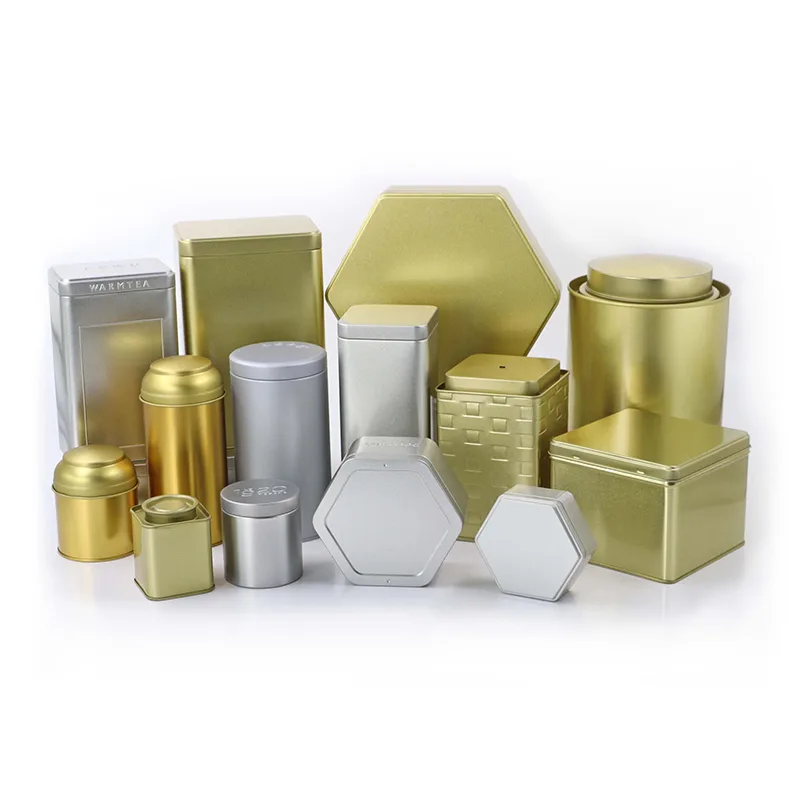
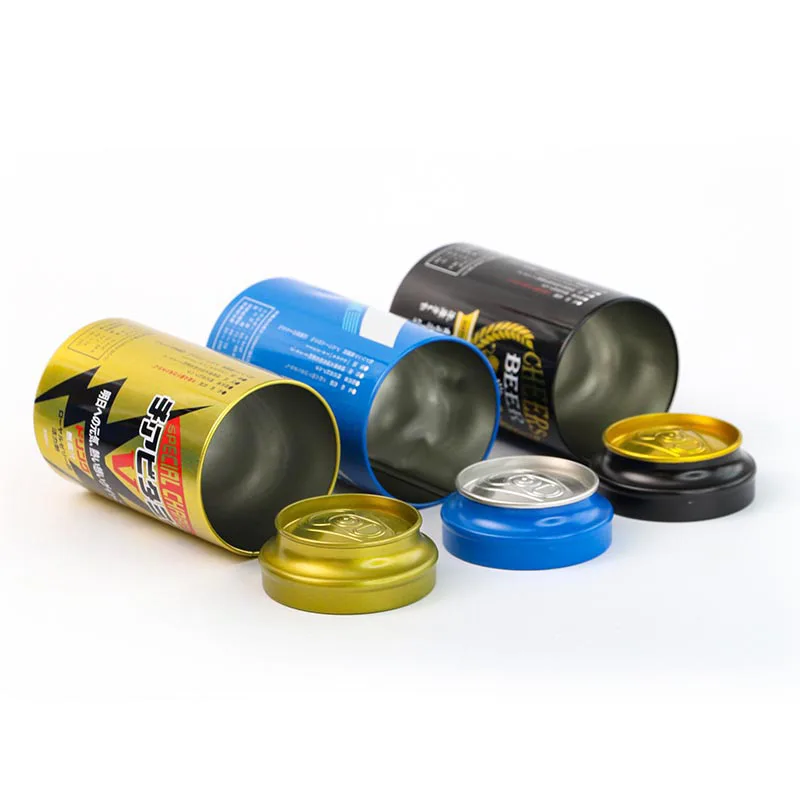
Most consumer metal packaging is produced from steel (tinplate) or aluminum. Typical formats include tin boxes, tin cans, steel food cans, aluminum beverage cans, aerosol cans, and decorative tins for premium goods. For custom brand applications—like gift sets, confectionery, tea/coffee tins, cosmetics kits, and promotional boxes—custom metal packaging often becomes part of the product experience and is frequently reused.
Plastic packaging (common formats and materials)
Plastic packaging includes rigid containers (PET, HDPE, PP), films and pouches, caps and closures, labels, and multi-layer laminates. Plastic is popular because it is lightweight, low cost, and highly versatile in forming and sealing—but this same diversity of resins and structures complicates sorting and recycling.
The reality of plastic recycling worldwide
Global recycling is still low for plastics
OECD reporting shows that global plastics production and waste have grown rapidly, and only a small share returns as recycled material. In 2019, the OECD reports that only 9% of plastic waste was ultimately recycled, with large shares landfilled, incinerated, or mismanaged. (Source: OECD Global Plastics Outlook, https://www.oecd.org/en/publications/2022/02/global-plastics-outlook_a653d1c9.html.) OECD
This matters for packaging because packaging is a major contributor to plastic waste. OECD highlights that packaging accounts for about 40% of plastic waste due to short lifetimes and single-use consumption patterns. (Source: OECD press release / highlights, https://www.oecd.org/en/about/news/press-releases/2022/02/plastic-pollution-is-growing-relentlessly-as-waste-management-and-recycling-fall-short.html.) OECD
“Collected for recycling” is not the same as “recycled”
A major reason plastic recycling looks better on paper than in reality is process loss. Contamination, mixed polymers, additives, inks, and multi-layer structures can cause large fractions to be rejected during sorting and reprocessing. That is why credible reports often distinguish collection rates from final recycling output.
This gap is less severe for many metal packaging formats because the material is easier to separate and has stronger commodity value in recycling markets.
How metal packaging performs in circular systems
Metal can be recycled repeatedly, with strong value retention
A core advantage of metal packaging is that steel and aluminum can be recycled multiple times without the same degree of quality loss seen in many plastics (which frequently downcycle into lower-grade uses). In practice, high-quality recycling depends on coatings, inks, and contamination—but the base material value is strong.
For steel, the World Steel Association emphasizes steel’s circularity and large-scale recycling volumes, reporting around 680 million tonnes of steel recycled in 2021, avoiding over one billion tonnes of CO₂ that would otherwise come from virgin production. (Source: worldsteel circular economy page, https://worldsteel.org/wider-sustainability/circular-economy/.) worldsteel.org
Aluminum recycling is exceptionally energy-efficient
Aluminum is often criticized for the energy intensity of primary production. That criticism is fair—for virgin aluminum. However, recycling aluminum is dramatically less energy-intensive than producing it from ore, and this is where aluminum packaging can deliver major lifecycle benefits when collection works.
The International Aluminium Institute reports that recycled aluminum requires ~95% less energy than primary aluminum production in their cited comparison. (Source: IAI, https://international-aluminium.org/landing/aluminium-recycling-saves-95-of-the-energy-needed-for-primary-aluminium-production/.) International Aluminium Institute
High recycling outcomes are achievable for metal packaging (but not everywhere)
Where deposit return schemes and strong collection infrastructure exist, metal packaging recycling can be very high. Steel for Packaging Europe reported an 82% recycling rate for steel packaging in the EU (2023) under the EU’s harmonized methodology. (Source: Steel for Packaging Europe, https://www.steelforpackagingeurope.eu/news/steel-packaging-achieves-highest-recycling-rate-on-record/.) steelforpackagingeurope.eu
For aluminum beverage cans, recent industry reporting indicates strong global outcomes as well, with the International Aluminium Institute stating a global aluminum beverage can recycling rate of 75% in 2023. (Source: IAI, https://international-aluminium.org/global-aluminium-can-recycling-reaches-75-marking-major-step-toward-circular-economy/.) International Aluminium Institute
These results are not guaranteed in every market. A fair review should always acknowledge that outcomes depend on local collection systems, recycling economics, and policy enforcement.
Carbon footprint: when plastic can win, and when metal can win
Plastic can be lower-carbon in lightweight, short-distance scenarios
Because many plastics are lightweight and require less forming energy per unit, plastic packaging can have a low manufacturing + transport footprint for certain applications—especially when the packaging is extremely light (thin film) and transport distances are long. For e-commerce, lightweighting can appear beneficial in carbon terms.
However, carbon is not the only impact. If a format has a high risk of being landfilled, incinerated, or mismanaged, the long-run environmental burden can be worse even if transport emissions are lower.
Metal can win when recycling and reuse are realistic
Metal packaging tends to perform well when any of the following are true:
- High recycling capture is likely (deposit systems, strong curbside sorting, high scrap value).
- High recycled content is feasible (secondary metal supply).
- Reuse is plausible (decorative tins, storage tins, gift packaging that consumers keep).
- Product protection reduces food waste or spoilage losses (barrier performance, light/oxygen resistance).
A practical takeaway is that metal packaging is often a better sustainability choice when it is designed and marketed as circular—not disposable.
Litter, leakage, and persistence in the environment
Plastic pollution is a core driver of policy pressure
Plastic pollution is treated as a global environmental priority because of its scale and persistence. UNEP highlights plastic pollution as a worldwide challenge tied to rising production and waste. (Source: UNEP plastics topic page, https://www.unep.org/topics/chemicals-and-pollution-action/plastic-pollution.) UNEP – UN Environment Programme
Plastics can fragment into microplastics, which makes cleanup difficult and long-lasting. Even when plastic is not “littered on purpose,” it can escape during collection, transport, or disposal, especially in regions with weaker waste systems.
Metal litter is still a problem, but it behaves differently
Metal packaging can absolutely become litter, and brands should not treat it as a “free pass.” But metal does not fragment into microplastics, and it often has higher recovery incentives because scrap has monetary value. Steel is also more easily recovered from mixed waste via magnetic separation.
In environmental risk terms, plastic’s persistence and fragmentation is a unique disadvantage that makes leakage a bigger long-term externality than many decision-makers realize.
Product protection and food waste: a hidden environmental lever
Shelf-life protection can outweigh material impacts
Packaging is a “small” material input compared to the product it protects. If packaging failure leads to product spoilage or damage—especially for food, beverages, and sensitive consumer goods—the wasted product can dominate the total footprint.
Metal packaging provides strong barriers against oxygen, moisture, light, and physical damage. For products like tea, coffee, spices, confectionery, cosmetics kits, and promotional gift sets, metal tins can reduce damage rates and preserve brand presentation through long distribution chains.
Premium metal packaging can reduce replacement and returns
In e-commerce, packaging that prevents dents, crushing, leakage, or presentation damage can lower returns and reshipment. That reduces transport emissions and prevents double-packaging. If a premium tin box prevents even a small percentage of returns, the climate benefit can be meaningful.
This is one reason sustainability-driven brands often treat premium custom metal packaging as a durability upgrade rather than a “more expensive container.”
Reuse and “kept value” is where metal packaging is often underestimated
Reuse changes the math
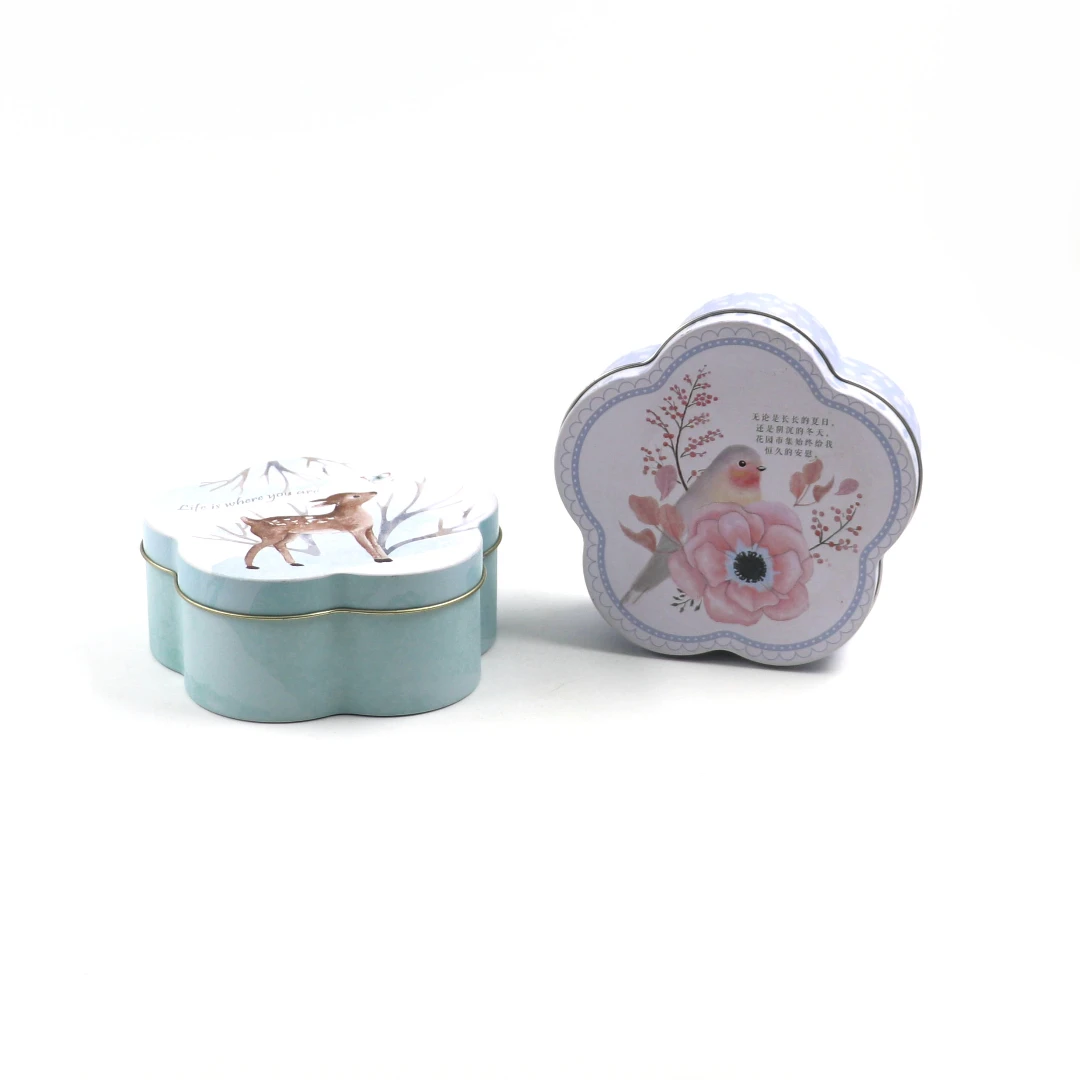
A decorative tin box that becomes home storage, a gift tin reused for years, or a collectible tin that customers keep is no longer “single-use packaging.” It becomes a durable consumer product, which spreads the original footprint across a longer service life.
Plastics can be reused too, but thin films and multi-layer pouches are rarely reused long-term. Metal packaging is structurally suited to repeated handling, stacking, and closure cycles.
Practical brand strategy: design for a second life
If your goal is sustainability and marketing impact, design your metal packaging so customers want to keep it. That includes a premium finish, high-quality hinge/closure feel, scratch-resistant coatings, and visually timeless graphics. The reuse story can be included on-pack in a simple message that encourages storage reuse rather than disposal.
Policy and market signals are increasingly favoring recyclable, circular packaging
The EU is tightening packaging requirements
If you sell into Europe or supply European brands, packaging compliance is becoming more demanding. The European Commission’s packaging waste policy timeline shows the Packaging and Packaging Waste Regulation (PPWR) entering into force on 11 February 2025, with a general application date of 12 August 2026 for provisions. (Source: European Commission, https://environment.ec.europa.eu/topics/waste-and-recycling/packaging-waste_en.) Environment
For plastics specifically, EU policy pressure is also shaped by the Single-Use Plastics framework. (Source: European Commission SUP page, https://environment.ec.europa.eu/topics/plastics/single-use-plastics_en.) Environment
What this means for packaging decisions
Even outside the EU, many global brands align packaging strategies to the strictest major market, because it reduces complexity. This typically increases demand for:
- mono-material, high-capture recycling formats,
- packaging with proven recycling pathways,
- reduced “problem plastics” and unnecessary components,
- packaging that can support reuse models and deposit/return systems.
Metal packaging often fits these directions well, provided it is designed responsibly (coatings, inks, and components matter).
Design choices that decide whether metal packaging is truly “green”
Recycled content is a major lever
If you are selecting metal packaging primarily for environmental reasons, ask suppliers about recycled content options and sourcing. Secondary aluminum and steel can significantly reduce lifecycle impacts compared to virgin material, especially when recycling supply chains are local and energy grids are cleaner.
Also consider how your design choices affect recyclability. Heavy laminates, glued mixed-material decorations, or hard-to-remove plastic components can reduce recovery value.
Use labels and components that do not sabotage recycling
For metal packaging, it is often better to use paper labels that can separate cleanly or direct-print methods that do not introduce problematic layers. If plastic windows are needed for product visibility, consider whether they can be designed for easy separation.
If your packaging uses foam inserts, magnets, electronic elements, or multi-material assemblies, you should treat it as a “durable gift box product” and encourage reuse clearly—because recycling becomes less straightforward.
Right-size the package and reduce “empty space”
Oversized packaging increases footprint for both metal and plastic. Many policy discussions increasingly target “empty space” and overpackaging, particularly for shipping. The most sustainable package is the one that meets protection requirements with minimal wasted volume.
This is also a cost-control strategy: right-sizing reduces freight costs, warehouse space, and damage risk.
A practical decision framework: when to choose metal packaging vs plastic
Choose metal packaging when…
Metal packaging is often the better environmental choice when you can reasonably expect strong capture, reuse, or protection benefits. It is particularly strong for:
- premium consumer goods (gift sets, collectibles, special editions),
- tea/coffee/spices and moisture-sensitive foods,
- cosmetics kits and durable brand packaging,
- seasonal promotions and holiday packaging that consumers keep,
- markets with deposit return or strong metal recycling economics.
Choose plastic (or hybrid solutions) when…
Plastic can be reasonable when the functional need is extreme lightweighting and the product does not require premium durability, or when a well-established recycling pathway exists for that specific plastic format in your market. Rigid mono-material plastics (with consistent collection and processing) can perform better than multi-layer flexible plastics in recycling outcomes.
A sustainability-first brand should be cautious with multi-layer pouches, mixed-material laminates, and “soft plastics,” because real recycling outcomes can be weak even if collection programs exist.
Why custom metal packaging can be a sustainability and branding upgrade
Metal packaging is not only about environmental metrics. It is also a brand asset when executed well, because it delivers a premium tactile experience and protects product presentation through long-distance shipping.
For brands that want both sustainability credibility and shelf impact, custom metal packaging can support:
- a more circular story (recyclable and often reusable),
- premium unboxing and giftability,
- high-quality printing and finishing for brand differentiation,
- better damage resistance and fewer returns,
- strong compatibility with circular policy and recycling systems.
When your packaging is designed for reuse and recycled at end-of-life, it becomes part of a brand’s “value chain,” not just a disposable cost.
A fair environmental takeaway
There is no universal winner in the debate of metal packaging vs plastic. The most accurate conclusion is this:
- Plastic can be low-carbon in lightweight applications but frequently struggles with real recycling outcomes and pollution persistence. OECD
- Metal packaging can have higher upfront impacts (especially if virgin) but can deliver strong circular performance through high-value recycling and realistic reuse, especially in markets with mature collection systems. steelforpackagingeurope.eu
If your brand wants an environmentally credible packaging strategy, focus less on slogans and more on outcomes: capture rate, recycled content, right-sizing, durability, and reuse. When those are built into the packaging plan, metal packaging is often one of the most practical routes to a circular packaging model.


