E-commerce brands win or lose customers long before a product is used—often in the moment the parcel arrives, gets opened, and gets shared. A well-designed Metal Tin Box does more than “hold” a product: it protects it in the parcel network, elevates perceived value, and turns ordinary deliveries into memorable unboxing moments people want to post. When you combine structure, printing, and finish correctly, a Metal Tin Box becomes reusable branded media that lives on a customer’s desk, vanity, kitchen shelf, or toolbox long after the first order.
This guide shares practical, conversion-focused Metal Tin Box packaging ideas tailored for e-commerce realities: parcel drops, fulfillment speed, brand storytelling, and sustainability expectations. You’ll find category-specific concepts, structural and finishing options, shipping tips, and a roadmap that helps you move from “nice idea” to a shippable, scalable tin program.
Table of Contents
What E-Commerce Brands Need from Packaging Today
Unboxing is a marketing channel, not a cost line
In e-commerce, your package is often the first physical touchpoint with your brand, so it has to do the job of a storefront and a salesperson. A Metal Tin Box makes that touchpoint feel premium because it has weight, rigidity, and a “keep-worthy” vibe that corrugated boxes and thin cartons rarely match. When customers keep the tin, your branding continues working in their space for months or years, reinforcing recall without additional ad spend.
To make unboxing perform, you need a clear “hero view” (usually the lid), a tactile moment (finish/texture), and a purposeful second-use story (storage, refills, organization). These are the details that transform packaging from disposable to collectible, especially for DTC brands that rely on repeat purchases.
The parcel network is harsh, even for premium products
Small parcels get dropped, tossed, and vibration-tested by real life—whether your carrier is handling one box or thousands. Designing a Metal Tin Box without planning for transit can create denting, scuffing, or lid shift that ruins first impressions, even if the product inside survives. That is why many brands prototype with protective inserts, scuff-resistant finishes, and secondary packaging that is quick to pack.
For a baseline transit simulation, many brands reference small-parcel test procedures designed for parcel delivery conditions (such as ISTA procedure families for parcel environments). ISTA’s documentation and testing ecosystem is widely used to align packaging expectations across suppliers, brands, and labs. ista.org+1
Sustainability claims are under scrutiny
Customers and regulators increasingly expect packaging claims to be precise, defensible, and not exaggerated. A Metal Tin Box can be a strong sustainability story when it is designed for reuse and when end-of-life instructions are clear, since metals are widely recycled and steel is also easy to separate due to magnetic properties. worldsteel.org
It helps to align your messaging with widely accepted waste-prevention logic: reduce first, reuse second, recycle third. The U.S. EPA promotes the waste management hierarchy and highlights the benefits of recycling when reduction and reuse are not possible. Environmental Protection Agency
Why Metal Tin Box Packaging Works for E-Commerce
Reusability creates “earned media” inside the customer’s home
A rigid Metal Tin Box is naturally reusable, so customers keep it for storage—tea, snacks, cables, cosmetics, sewing kits, pet treats, or desk supplies. That means your branding stays visible without any additional shipping or printing. In practice, this increases brand recall and can lift repeat purchases because the tin becomes a daily reminder that your product exists.
To encourage reuse, design a tin that is easy to open and close, stacks cleanly, and looks good sitting out. A beautiful tin people hide in a drawer is still reuse, but a tin people display is brand exposure.
Protection and product integrity in last-mile delivery
Many e-commerce categories suffer from common parcel issues: crushed corners, broken caps, glass risk, powder leaks, and label scuffs. A Metal Tin Box can serve as a “secondary protective shell” that stabilizes the product and reduces damage rates. When combined with a properly fitted insert (pulp, EVA, cardboard, or molded tray), you can reduce movement and protect fragile components.
Even if you still ship in an outer carton, the tin’s rigidity protects the brand experience from minor external carton dents. This is especially valuable for gifting and subscription shipments.
Circularity: steel is recovered and recycled at high rates in many markets
If your Metal Tin Box is made from tinplate (steel with a tin coating), you can responsibly talk about metal recycling—when you keep the claim factual and location-aware. In Europe, industry reporting has highlighted high “really recycled” rates for steel packaging under harmonized methodology, which supports the idea that steel packaging is commonly returned to recycling operations. Steel for Packaging Europe+1
Steel’s magnetic properties also make it easier to recover from waste streams, supporting efficient sorting. The World Steel Association notes that steel is easy and affordable to recover and that scrap is recycled repeatedly to create new steel. worldsteel.org+1
High-Impact Metal Tin Box Packaging Ideas by Product Category
Tea, coffee, and specialty foods: freshness + gifting in one
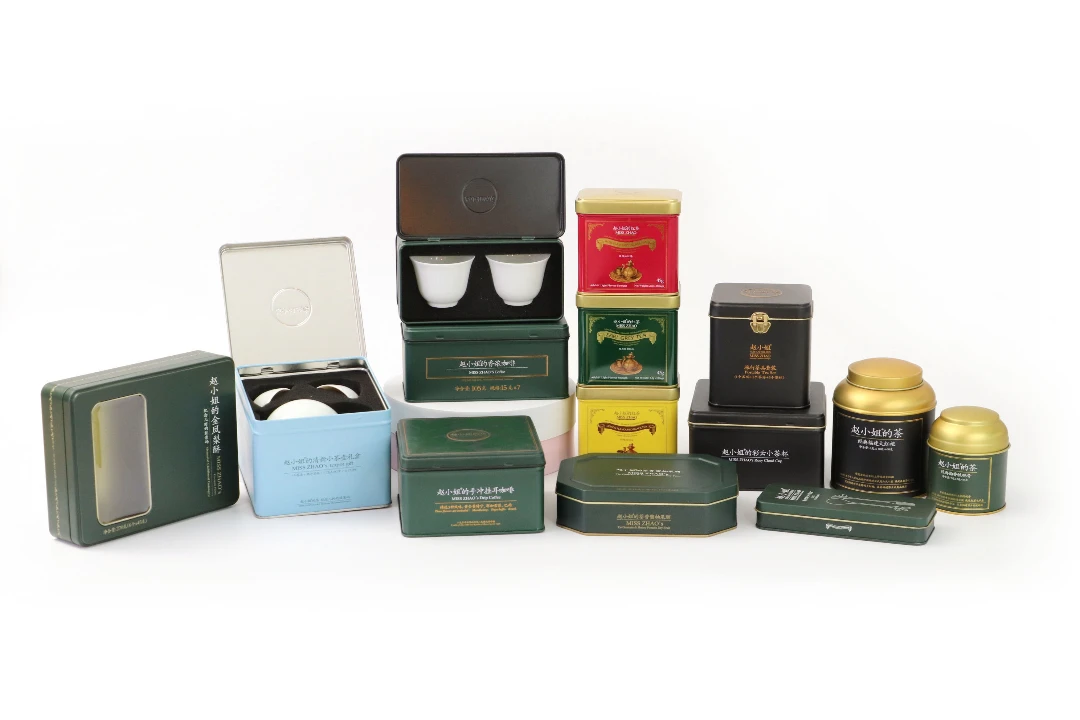
A Metal Tin Box is a natural fit for tea and coffee because it signals freshness, aroma protection, and premium gifting. Consider a lid with a tight slip fit or a lever-lid concept, plus an inner bag for barrier performance if your product requires it. Use a “refill-first” brand story: sell the first purchase in a collectible tin, then ship refills in lightweight pouches.
For gifting, create seasonal artwork on the lid while keeping the body design evergreen. That way, you can run limited editions without redesigning the entire tin.
Cosmetics and skincare: vanity-friendly storage that upgrades perceived value
Skincare and cosmetics benefit from packaging that looks good on a bathroom shelf. A compact Metal Tin Box can hold jars, ampoules, masks, or a curated “routine kit” while protecting glass and preventing cap scuffs. Use a custom insert that presents the items like a set, not like parts in a box.
To reduce fingerprints and micro-scratches (common in glossy finishes), consider matte or soft-touch effects in high-contact areas. A tin that stays visually clean is a tin that stays displayed.
Candles and home fragrance: ship safety + unboxing drama
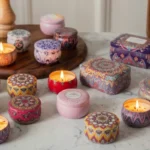
Candles often arrive with chipped glass, shifted lids, or cracked wax surfaces. A Metal Tin Box can function as a snug protective case for a candle jar, especially if the insert holds the jar away from the tin walls. The tin also becomes a “keepsake storage box” after the candle is used—perfect for refills or household storage.
For premium lines, a two-layer experience works well: a beautiful tin outside, and a printed card or sleeve inside with scent notes, burn tips, and a QR code to a playlist or brand story.
Supplements and wellness: trust signals and organization
Wellness brands can use a Metal Tin Box for multi-unit packs (daily sachets, travel packs, sampler sets). The tin helps customers stay organized, which supports adherence and repeat purchasing. Use clean, clinical design and add a tamper-evident feature in your secondary packaging if your channel requires it.
Be careful with claims on packaging, and keep your content aligned with local compliance expectations. A good rule is: let the tin communicate quality and structure, while your insert and leaflet carry detailed information.
Pet treats and premium snacks: durable storage customers actually keep
Pet owners love containers that keep treats fresh and reduce mess. A Metal Tin Box with a wide opening makes daily use easy, and the tin becomes a long-term storage unit that stays on the counter. Add a label area designed to remain readable even after repeated handling, and consider scratch-resistant varnish.
You can also create collectible series tins by breed theme or seasonal art, which works well for subscriptions and gift bundles.
Apparel accessories and small goods: prevent crushing, increase giftability
Small accessories (socks, ties, belts, wallet kits, jewelry, grooming sets) benefit from the crush resistance of a Metal Tin Box. These items are often purchased as gifts, and the tin upgrades the experience without requiring heavy additional packaging. Add a simple insert or paper wrap that frames the product neatly so it doesn’t “float” inside the tin.
Design Ideas That Make a Metal Tin Box Feel E-Commerce Native
Build the “hero lid” for photos, not just shelves
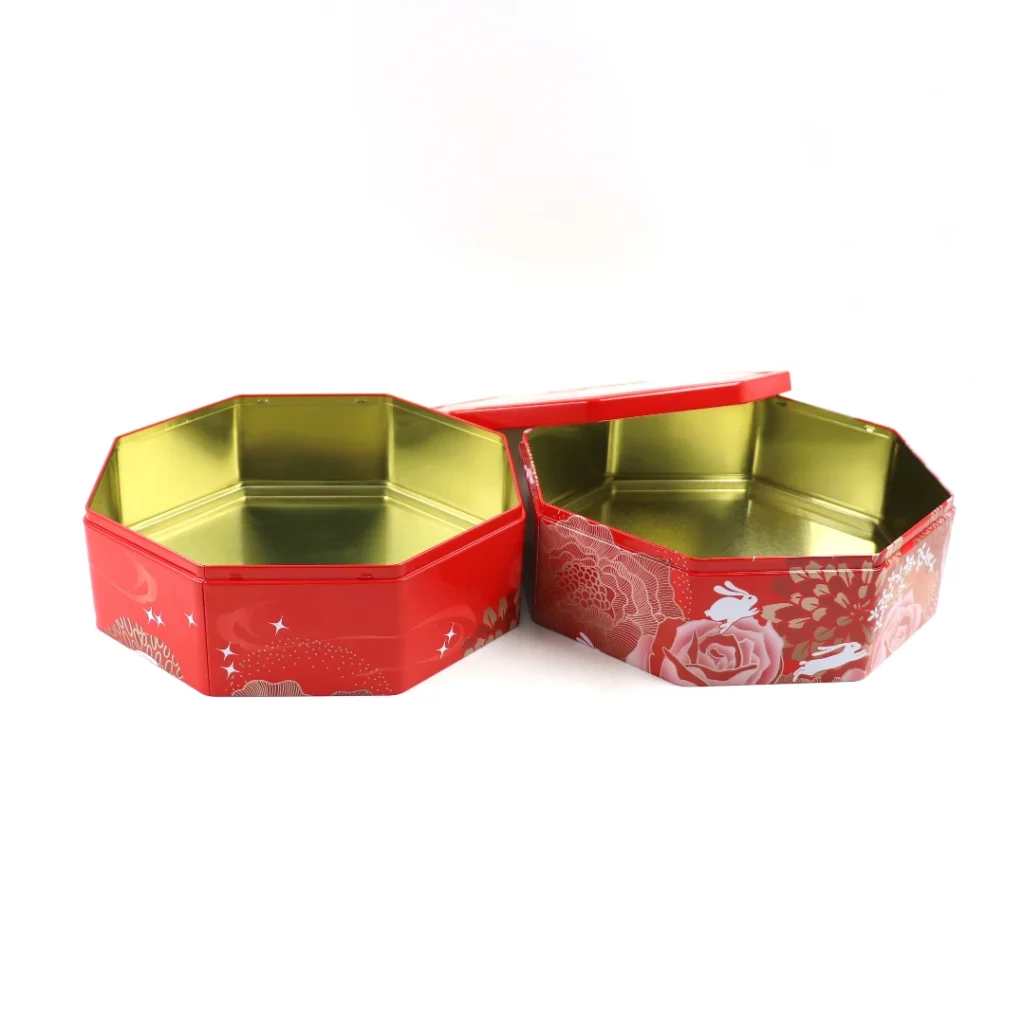
Customers take photos from top-down angles, so design your lid like a thumbnail. Use bold contrast, clean typography, and one clear brand mark that reads well on camera. A good Metal Tin Box lid design should still look sharp in a phone photo under warm indoor lighting.
You can also design the lid to be “seasonal,” while the base stays consistent to reduce cost and keep inventory flexible. This is especially effective for drops, gifting seasons, and influencer campaigns.
Limited editions and drops: make packaging part of the product
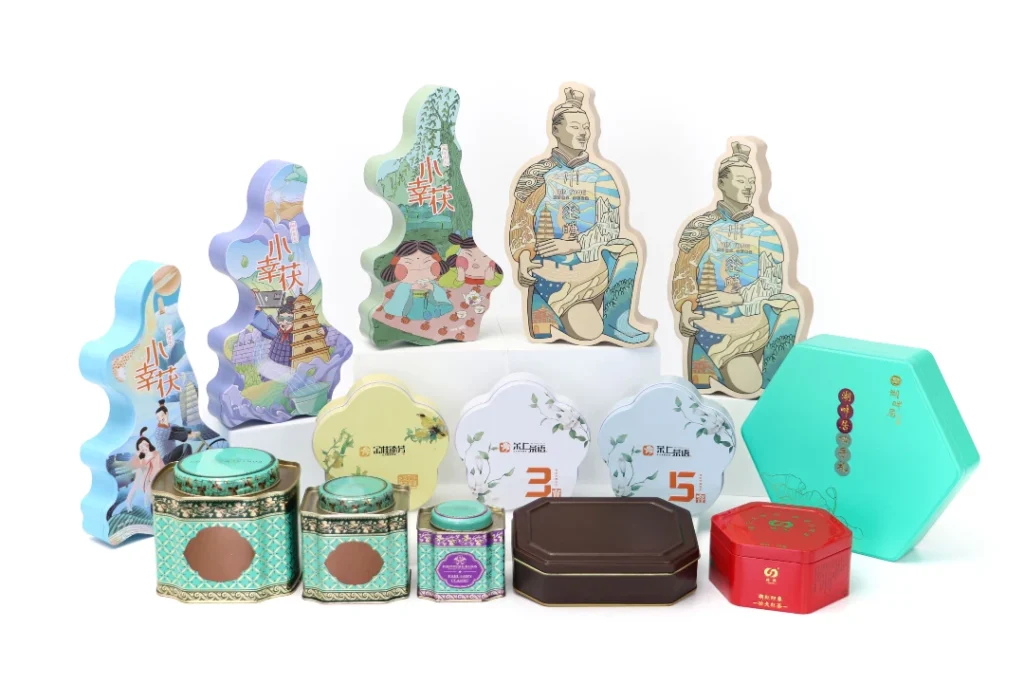
E-commerce thrives on launches. A limited Metal Tin Box edition can turn a normal product into a “collectible,” giving customers a reason to buy now instead of later. Keep the structure the same, but rotate artwork, colorways, or finishes to create a sense of scarcity.
To make drops sustainable operationally, plan a shared tooling strategy and limit changes to print layers and finishes rather than structure. This keeps lead times manageable while still giving you new visuals.
QR codes, NFC, and digital storytelling
A Metal Tin Box can be a gateway to digital content: how-to videos, authenticity verification, refill subscriptions, or community pages. Place a QR code where it won’t get scuffed—often the inside lid or an inset panel. Add a short call-to-action like “Scan for refills” or “Scan for routine guide” so the code feels intentional rather than decorative.
If counterfeiting is a concern, consider NFC or serialized labels inside the tin. The goal is to build trust without cluttering the main design.
Collectible series for subscriptions
If you run subscriptions, design tins that stack neatly and look unified as a set. A series system (e.g., monthly art panels, numbered lids, or color-coded spines) encourages customers to keep every tin. This creates a “collection effect” that supports retention and social sharing.
Finishing Options That Upgrade the Unboxing
Matte vs. glossy: choose based on handling and brand style
Glossy finishes pop in product photos, but they show fingerprints and micro-scratches more easily. Matte finishes feel modern and premium, and they hide handling marks better in many cases. For e-commerce shipments where customers handle the tin immediately, matte often keeps the first impression cleaner.
If you want both, combine a matte base with high-contrast highlights. This creates visual depth without turning the entire tin into a fingerprint magnet.
Embossing and debossing: tactile branding that feels expensive
Embossed logos or patterns make a Metal Tin Box feel “crafted,” which is powerful for premium categories. A subtle emboss can also reduce the need for overly complex printing because texture carries the luxury signal. For minimalist brands, embossing can replace heavy artwork while still delivering a high-end experience.
Debossing works well for understated elegance and pairs nicely with soft-touch coatings. The tactile moment makes customers slow down during unboxing, which increases perceived value.
Spot UV, metallic effects, and soft-touch moments
Spot UV creates contrast and premium shine on specific elements like logos or patterns. Metallic inks or special effects can amplify a luxury aesthetic, especially for gifting lines. Soft-touch coatings add a “velvet” feel that customers often associate with premium electronics and cosmetics.
When planning special finishes, remember transit scuff risk and packing speed. It’s better to use one or two finishes well than to stack many effects that increase defect risk and cost.
Sleeves, belly bands, and hybrid presentation
A sleeve around a Metal Tin Box gives you extra messaging space without permanently changing the tin artwork. This is useful for compliance, promotions, or retailer-specific SKUs. The tin stays evergreen, and the sleeve carries short-term campaign content.
For gift sets, a rigid sleeve can also add perceived thickness and reinforce premium cues. Keep it easy to remove so the unboxing stays smooth.
Structural Concepts: Shapes, Closures, and Inserts
Closure styles that fit e-commerce use cases
Different products require different opening experiences. Hinged tins are convenient and feel gift-like, while slip-lid tins feel classic and collectible. Screw-top tins can signal “premium storage” and work well for balms or waxes, but they must be engineered for consistent threading and easy use.
Match the closure to how often the customer will open it. A daily-use product needs effortless access, while a gifting product can prioritize drama and presentation.
Inserts that protect, organize, and look premium
Inserts are where e-commerce tins become truly high-performing. A well-designed insert prevents denting from internal movement and makes the product feel curated. Common options include molded paper pulp for sustainability positioning, EVA foam for precision fit, and paperboard trays for fast assembly.
Design the insert so your fulfillment team can pack quickly without mistakes. If packing takes too long, the operational cost can erase the premium margin.
Tamper evidence and safety features where needed
Some categories require tamper-evidence or additional protection for customer confidence. You can implement tamper-evident elements in secondary packaging (shrink bands, seals, tear strips) rather than complicating the tin itself. The tin remains reusable, and the safety requirement stays with the consumable layer.
If your market or category has special requirements (such as child-resistant expectations in certain segments), address them early in structural planning. The earlier you plan, the less you rework tooling later.
Stackability for warehouses and customers
A stackable Metal Tin Box is better for you and for customers. For you, stackability improves carton utilization and pallet stability. For customers, it makes the tin useful for long-term storage, which increases reuse and brand visibility.
Design for consistent footprint sizes across product lines. A “system” of tin sizes makes expansions and bundles easier.
Shipping and Fulfillment: How to Protect Metal Tin Boxes in Transit

Use the tin as premium primary packaging, not as the only shipping layer
Most e-commerce brands still ship tins inside an outer box or mailer, especially for longer distances. The goal is to prevent external carton impacts from scuffing or denting the tin. A thin protective wrap, a fitted insert, and a correctly sized mailer can dramatically improve arrival condition.
When you design your tin, design the entire packaging system: tin + insert + outer packaging. This system approach reduces damage rates and improves unboxing consistency.
Test like an e-commerce brand, not like a retail shelf brand
Parcel delivery adds drop and vibration risk that retail shelf packaging never experiences. Many brands reference parcel-focused test procedures as a starting point to evaluate packaging performance under common transit conditions. ISTA procedure documentation highlights parcel-oriented testing concepts and sample expectations. ista.org+1
Testing doesn’t have to be complex to be useful. Even a structured in-house drop test plan can identify weak corners, lid slip risk, or insert compression issues before mass production.
Amazon readiness: SIOC/FFP and ISTA 6-Amazon considerations
If you sell on Amazon, packaging requirements can influence tin design decisions. Amazon’s packaging certification programs and guidelines commonly reference ISTA 6-Amazon test methods and specific enrollment/approval pathways for packaging tiers. assets.aboutamazon.com+1
A Metal Tin Box can sometimes be part of a SIOC (Ships In Own Container) strategy, but only if the full pack-out passes the relevant test method and damage thresholds. Plan for scuff resistance, closure security, and label placement early if Amazon is a core channel.
Reduce dimensional weight and packing time
E-commerce profitability often depends on shipping efficiency. Design tins that “nest” well in standard mailer sizes and that do not require slow, delicate wrapping steps. If your tin needs protection, choose packaging elements that are fast to apply (simple sleeves, pre-fold inserts, or die-cut buffers).
A practical approach is to prototype two pack-outs: one optimized for premium gifting (more layers) and one optimized for subscription replenishment (fewer layers). You can use the same Metal Tin Box but adjust the secondary packaging by SKU.
Sustainability Messaging You Can Defend
Lead with reuse, then support with recycling
The strongest sustainability story for a Metal Tin Box is reuse because it prevents waste by extending the packaging’s life. Encourage customers to repurpose the tin with ideas printed inside the lid or on an insert card. When reuse is built into the design, you reduce the chance your tin is treated as a disposable “luxury waste.”
For end-of-life, be accurate and location-aware. Metals are widely recycled, and steel is commonly recovered because it is magnetic and valuable as scrap, supporting repeated recycling loops. worldsteel.org+1
Use credible recycling and circularity references
If you reference recycling rates in your marketing, choose credible sources and clear wording. Industry reporting in Europe has highlighted high “really recycled” rates for steel packaging under harmonized methodologies, which supports the claim that steel packaging is frequently recycled in that region. Steel for Packaging Europe+1
For broader consumer education, the EPA’s overview of recycling benefits and waste management hierarchy is also a credible way to frame recycling responsibly without making exaggerated claims. Environmental Protection Agency
FSC paper components and chain of custody for hybrid packs
Most e-commerce packaging systems include paper elements (outer cartons, sleeves, inserts). If you want to use FSC messaging, understand that FSC chain-of-custody certification is designed to support credible labeling and trademark use on products. FSC explains how chain-of-custody certification enables organizations to use FSC labels on finished goods. fsc.org+1
A simple strategy is to keep the Metal Tin Box as the reusable core and ensure your paper components align with responsible sourcing expectations. This keeps your sustainability story coherent and defensible.
A quick “claim safety” checklist
Be specific about what is true. Say “designed for reuse” if you’ve made the tin durable and functional, and say “recyclable where facilities exist” if you’re selling internationally. Avoid absolute statements that don’t reflect local collection realities.
If you mention recycled content, document it. If you mention recycling rates, specify the region and source. The more precise your language, the safer and more credible your brand becomes.
Compliance and Quality Checks for Metal Tin Box Projects
Food contact and coatings: plan early
If your Metal Tin Box will touch food directly, coatings and compliance matter. In the EU, food contact materials are governed under a framework regulation that sets general principles for safety and inertness for materials intended to come into contact with food. EUR-Lex+2Food Safety+2
Even if your product uses an inner bag, you should align materials and documentation to your target markets. Early planning reduces the risk of redesign and avoids shipment delays.
Printing inks and migration risk
For food, cosmetics, and wellness, be cautious about ink placement and the potential for contact. Many brands keep heavy printing on the exterior while keeping the interior minimal or coated with compliant layers. This is not just a safety choice; it also keeps the interior looking clean after repeated use.
Your supplier should be able to provide material specs and, when needed, compliance-related documentation aligned to your market requirements. Treat this as part of supplier qualification, not as a last-minute checkbox.
Tolerances, fit, and consistent opening feel
E-commerce customers notice small flaws. A lid that is too tight feels cheap and frustrating, while a lid that is too loose feels unsafe. Control tolerances and test opening feel across samples, not just one prototype.
Also plan for mass production realities: coating thickness, print registration, and emboss depth can vary. Quality plans should define acceptable ranges so production stays consistent.
Inspection standards that match your brand promise
Premium brands typically need stricter cosmetic standards because scuffs and dents are more visible on tins than on plain cartons. Define inspection criteria for scratches, color differences, edge burrs, and closure fit. This protects your customer experience and reduces disputes.
Cost and Lead-Time Levers for E-Commerce Brands

Tooling vs. stock shapes: a smart hybrid strategy
If you are launching quickly, start with an existing tin shape and customize the artwork and finish. This reduces tooling cost and lead time while still giving you a premium Metal Tin Box. Once your product-market fit is proven, invest in custom shapes that become proprietary brand assets.
Many fast-growing brands use a two-step approach: stock shape for first launch, custom structure for version 2. This lets your packaging evolve with demand.
Print complexity, finishes, and MOQ planning
Finishes like embossing, special varnishes, or complex metallic effects can raise unit cost, but they can also raise conversion and perceived value. Your job is to align packaging cost with customer lifetime value. If a premium tin increases repeat purchase, it may be cheaper than constantly buying ads.
Plan MOQs around your launch calendar. For drops and seasonal campaigns, keep the structure consistent and change only the lid art or sleeve to reduce minimum risk.
Freight and warehousing
Metal tins have volume and weight, so shipping and storage matter. Design tins to stack and pack efficiently, and plan carton dimensions for container utilization. If you sell into multiple regions, consider holding inventory closer to customers to reduce shipping cost and transit damage risk.
A Practical Roadmap: From Idea to Shippable Metal Tin Box
Step 1: Define the job your packaging must do
Start with a clear brief: product dimensions, fragility, daily-use pattern, channel requirements, and brand positioning. Decide whether the tin is a “first purchase premium container” with refill strategy, or the standard pack for every order. A clear strategy prevents expensive mid-project pivots.
Also define the “unboxing script” you want customers to experience. If it’s a gift moment, prioritize drama and presentation; if it’s subscription replenishment, prioritize speed and efficiency.
Step 2: Prototype structure + insert + outer shipper together
Do not prototype the Metal Tin Box alone. Prototype the full system and run simple stress tests: drops, corner impacts, vibration simulation, and scuff checks. Evaluate not only damage, but also how the packaging looks after shipping—because that’s what the customer sees.
Use this stage to refine lid tightness, insert fit, and packing workflow. A beautiful tin that takes too long to pack can quietly destroy your margins.
Step 3: Validate for your key channels
If Amazon is a major channel, align your packaging approach with Amazon’s packaging certification logic early, since those programs commonly reference ISTA 6-Amazon testing and specific tier requirements. assets.aboutamazon.com+1
For general e-commerce, align with parcel expectations using relevant test references and practical in-house testing. If your category is high-value or fragile, lab testing can be a worthwhile investment to prevent return costs.
Step 4: Lock design and finishes with production realism
Finalize artwork with the manufacturing process in mind. Metallic effects, embossing depth, and varnish behaviors should be tested on real samples, not just on screen. Confirm color tolerances and define what “acceptable” means before mass production begins.
This step is also where you confirm packaging text, compliance language, and QR placement. A late text change can cause costly rework or delays.
Step 5: Launch with a reuse story that drives retention
When your Metal Tin Box hits customer hands, tell them how to reuse it. Print reuse ideas inside the lid, include a small card, or create a short video customers can scan. Reuse is not only sustainability—it’s retention marketing.
Then measure outcomes. Track damage rates, returns, review mentions, and social content. Packaging that customers talk about is packaging that sells.
Make Your Metal Tin Box a Brand Asset, Not Just a Container
For e-commerce brands, the best packaging is packaging that sells twice: once at first purchase, and again every time the customer sees it in daily life. A well-designed Metal Tin Box offers protection, premium presence, and long-term brand exposure through reuse—while still aligning with defensible sustainability messaging and modern channel requirements.
If you want your next tin project to perform, treat it like a system: structure, finish, insert, and shipping pack-out designed together. Do that, and your Metal Tin Box becomes more than packaging—it becomes a durable, shareable piece of your brand.