
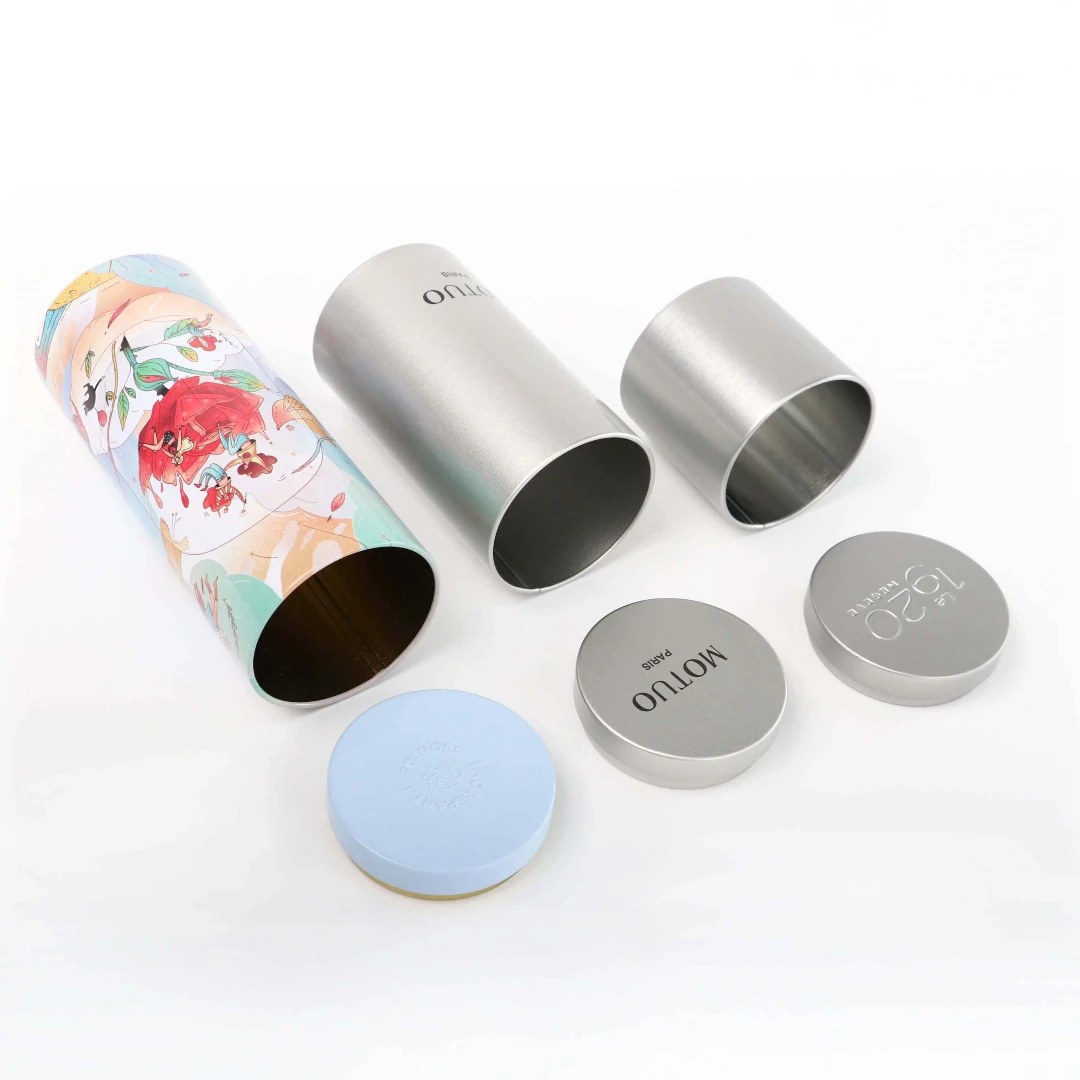
Choosing a Metal Tin Box supplier is not just a purchasing decision—it’s a packaging decision that can protect (or damage) your brand. A reliable supplier helps you deliver consistent quality, safe materials, stable lead times, and professional printing that makes your product look premium on the shelf. A poor supplier can cause dents, color shifts, odor issues, coating failures, or delays that cost far more than any short-term savings.
This guide walks you through a simple, practical way to evaluate a Metal Tin Box manufacturer or trading partner. You’ll learn what to ask, what to verify, and what “good” looks like—so you can confidently select a partner that supports your growth, not your headaches.
Table of Contents
Understand Why the Supplier Matters for Your Metal Tin Box Project
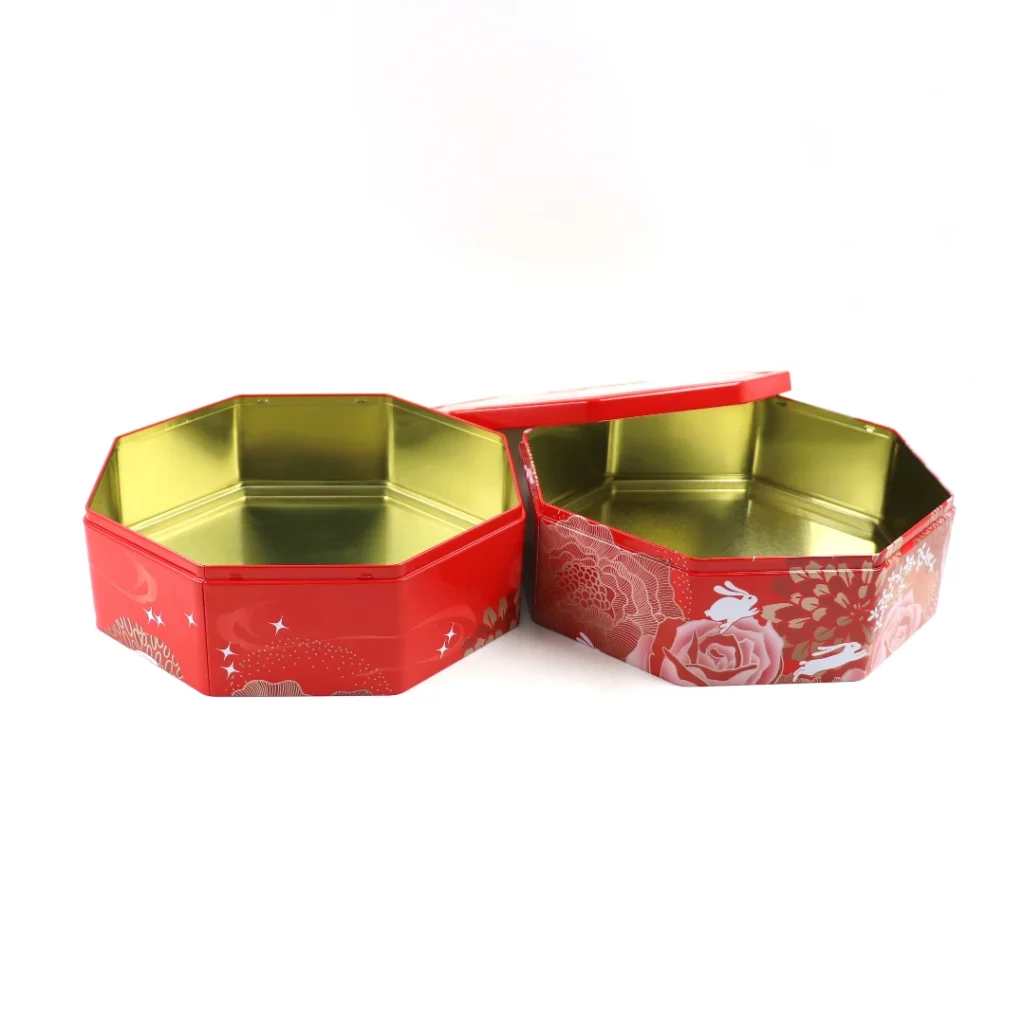
A Metal Tin Box is often both a container and a marketing asset. Customers touch it, keep it, reuse it, and associate its feel and finish with your brand quality. That means your supplier is effectively part of your customer experience, even if buyers never see the factory behind the packaging.
In addition, a tin box is a formed metal product with printing, coatings, assembly, and packing steps that must work together. When any part of that chain is weak—material selection, tooling accuracy, coating control, or final inspection—you’ll see problems like lid misfit, sharp edges, scratches, rust spots, or inconsistent color. A strong supplier prevents those issues through process control, not luck.
Protecting Your Brand and Reducing Risk
If your packaging is inconsistent, customers assume your product is inconsistent. A trustworthy Metal Tin Box supplier will focus on repeatability: consistent dimensions, stable coating quality, and controlled printing color from one batch to the next. That stability becomes more important as your orders scale and your distribution channels expand.
If you ship internationally, packaging issues can also turn into compliance issues. For food, cosmetics, or sensitive goods, you may need documentation for materials, coatings, and inks to meet local requirements. It’s smart to choose a supplier that already understands those expectations and can provide the paperwork without delays.
Avoiding Hidden Costs
Unit price is only one part of the total cost. If a shipment arrives late or with defects, you may pay for rework, repacking, air freight, extra warehousing, or customer refunds. A professional Metal Tin Box supplier helps you avoid those costs by building quality into the process and communicating clearly when something needs adjustment.
Define Your Metal Tin Box Requirements Before You Compare Suppliers
The fastest way to get wrong quotes and wrong samples is to send vague requirements. A good supplier can help you refine details, but you should still start with a clear target. When you define your needs upfront, you can compare suppliers fairly and avoid “surprises” after tooling is made.
Your requirement list doesn’t need to be complicated. It just needs to cover function, size, appearance, and compliance expectations so the supplier can propose the correct structure and process.
Clarify the Use Case and Market
Start by stating what the Metal Tin Box will hold and where it will be sold. Food and candy tins often require special internal coatings and odor control, while cosmetic tins may focus more on premium finishing and scratch resistance. Industrial tins might prioritize strength, stacking, and rust prevention.
Also share your target retail environment. A tin designed for e-commerce may need stronger cartons and corner protection, while a tin designed for gift sets may need custom inserts and higher-end printing. Your supplier should recommend the best solution based on your channel, not just give a default quote.
Lock in Size, Shape, and Closure Style
Dimensions drive everything: material usage, tooling, carton count, and shipping cost. If you already have a reference tin, provide exact measurements and photos from multiple angles. If you don’t, provide internal usable space requirements and let the supplier recommend a practical external design.
Closure details matter more than many buyers expect. A slip lid, hinged lid, or plug lid each has different tolerances and user experience. A strong Metal Tin Box supplier will explain the trade-offs, including how tight the lid should be and how it may change slightly with coatings and printing.
Specify Material and Thickness Expectations
Most “tin boxes” in packaging are made from tinplate (steel coated with tin). Tinplate offers strength, excellent barrier properties, and a premium feel, which is why it’s widely used for gift packaging and long-life storage. If you want to understand tinplate fundamentals from an authoritative source, you can reference resources from packaging associations such as Steel for Packaging Europe, which explains material characteristics and recycling advantages.
Thickness choice should match your design and durability needs. A thin wall may look fine but dent easily during transit, while a thicker material improves rigidity and premium feel. Your supplier should recommend thickness based on size, shape complexity, lid style, and expected handling conditions.
Define Printing, Finishing, and “Premium” Details
Print is often where suppliers differ the most. If you care about brand consistency, you must clarify whether you need spot color matching, metallic effects, embossing, debossing, or specialty finishes. A reliable Metal Tin Box supplier will ask for your design files and explain what is achievable with your structure and finishing plan.
Also define the performance requirement, not only the appearance. For example, matte varnish looks premium but can scratch more easily than gloss, and soft-touch finishes can show fingerprints. If you want your tin to look great after shipping and handling, ask the supplier about abrasion resistance and protective packaging.
Evaluate the Supplier’s Manufacturing Capability, Not Just Their Catalog
Many suppliers can show photos of beautiful tins. The real question is whether they can repeatedly produce your tin at scale with the same quality level. Capability means the right machines, the right process control, and the right engineering support—not just a large product gallery.
If possible, ask for a factory introduction, equipment list, and examples of similar projects. A professional supplier will be comfortable explaining how they manufacture, not only what they sell.
Tooling and Mold Development Capability
Custom Metal Tin Box projects often require tooling for stamping, forming, curling, and lid fitting. Tooling quality affects fit, edge safety, and dimensional consistency. A strong supplier should have in-house tooling engineers or stable long-term tooling partners, and they should be able to explain tool lead time and maintenance plans.
Ask how they manage tooling ownership. If you invest in custom molds, you should know whether the tooling is exclusive to your project and how it will be stored and maintained. A responsible supplier will document tooling status, usage, and changes during your product lifecycle.
Forming, Assembly, and Edge Safety
Metal forming is not only about shape—it’s about safe edges, stable seams, and proper lid performance. Good factories control curling, rolling, and hemming processes so edges are smooth and consistent. They also control tolerances so lids fit properly without being too loose or too tight.
If your tin has a hinge, clasp, or window, assembly skill becomes even more critical. Ask the supplier how they prevent hinge looseness, misalignment, and scratch damage during assembly. A dependable Metal Tin Box supplier will have clear assembly work instructions and in-process checks.
Coatings, Linings, and Odor Control
For food or sensitive products, internal coatings are extremely important. The coating protects the product and the metal, and it can also affect odor and taste. A strong supplier should understand coating selection and should be willing to discuss coating type, curing control, and testing options based on your product category.
If you export to regulated markets, the supplier should be ready to align with food-contact expectations. For U.S. buyers, the U.S. FDA overview of food-contact substances and packaging is a useful reference for understanding how food packaging materials are regulated and evaluated. For EU buyers, the European Commission’s food contact materials legislation overview provides a solid framework for compliance discussions.
Printing Technology and Color Control
Printing on tinplate is not identical to printing on paper. Color appearance can change due to metal reflectivity, varnish selection, and curing conditions. A supplier that cares about brand color will talk about color standards, proofing, and batch-to-batch control rather than simply saying “we can print anything.”
Ask how they confirm color during production. Do they use sample approval standards? Do they track ink batches and varnish batches? Good suppliers behave like packaging professionals, not like a “print and ship” workshop.
Verify Quality Management and Certifications That Matter

Quality is not a promise; it is a system. A good Metal Tin Box supplier should have structured inspection standards, training, and traceability. Certifications are not everything, but they are a helpful sign that a supplier follows documented processes and audits.
You do not need to collect every certificate in the world. You need the ones that match your product risk level and customer expectations.
ISO 9001 and Process Control
A common baseline is ISO 9001, which focuses on quality management systems. Even if you’re not an auditor, you can still ask how their ISO system affects day-to-day production, such as incoming inspection, in-process inspection, final inspection, and corrective actions. For background, the official ISO introduction to ISO 9001 explains the purpose and structure of the standard.
Ask for real evidence of process control, not just a certificate photo. A strong supplier can show inspection records, defect tracking, and continuous improvement actions. That’s what keeps your Metal Tin Box quality stable over time.
Food Contact and Regulatory Readiness
If your tin is used for food, tea, coffee, or candy, compliance should be part of supplier selection. The supplier should understand that compliance is not only about the metal; it also includes coatings, inks, and any internal liners. A responsible supplier can support third-party testing when required and can provide material declarations and traceability documents.
If the supplier seems uncomfortable discussing coatings, curing, and testing, that is a warning sign. A reliable Metal Tin Box supplier will not “guess” on compliance, and they will not avoid documentation questions. They should guide you to safe choices and explain what information they can provide.
Inspection Standards and AQL Agreements
Ask how they define acceptable defects. Quality standards differ between suppliers unless you define them clearly. A strong supplier will be familiar with AQL-based sampling and will help you agree on defect categories (critical, major, minor) and inspection methods.
Also ask whether they can support third-party inspection before shipment. If they welcome inspection, it usually means they are confident in their process. If they discourage inspection, you should be more cautious.
Check Material Traceability and Supply Chain Transparency
Your Metal Tin Box quality depends heavily on incoming material quality. Tinplate grade, coating consistency, and ink performance all influence appearance and durability. A mature supplier can trace materials and explain what happens if a material batch fails inspection.
This is especially important if you plan to reorder the same tin over many months. Material stability is a key part of consistent look and consistent fit.
Tinplate Quality and Documentation
Ask where the tinplate comes from and what documentation is available. Many buyers request mill certificates or basic material declarations for traceability. A supplier that works with stable mills and controls incoming inspection is more likely to deliver consistent performance.
Also ask about rust prevention during storage and transit. Tinplate can be affected by humidity and long storage if not managed well. A proactive Metal Tin Box supplier will explain how they store raw material and how they protect finished tins in cartons.
Ink and Coating Supply Stability
Inks and varnishes influence color, odor, abrasion resistance, and corrosion protection. Ask whether they use stable, reputable ink suppliers and whether they can keep the same ink system for repeat orders. If they frequently switch ink sources without telling you, color consistency can suffer.
If you are building a premium brand, consistency is not optional. A supplier who cares about consistency will talk about standardized materials and controlled substitutions. That mindset is what separates a packaging partner from a “lowest-price” vendor.
Evaluate Engineering Support and Communication Workflow
The smoothest Metal Tin Box projects have clear drawings, clear approvals, and clear change control. Many packaging failures come from simple misunderstandings: lid height, edge style, hinge position, or artwork placement. Your supplier’s engineering support and communication discipline can prevent these issues.
You want a supplier that acts like a project manager, not only a sales contact.
Drawings, Tolerances, and DFM Feedback
Ask whether the supplier can provide 2D drawings and, when needed, 3D references. Even a simple drawing can reduce confusion and protect both sides. Good suppliers will also provide DFM (design for manufacturing) feedback so your tin design is easier to produce and more consistent in mass production.
A mature Metal Tin Box supplier will discuss tolerances openly. They won’t promise “zero variation” because they understand manufacturing reality, and they will design the structure to be stable within reasonable tolerance ranges.
Sampling Process and Approval Stages
Clarify how many sample rounds are typical and what each round represents. For example, early samples may confirm shape and size, while later samples confirm printing and finish. Ask what the supplier needs from you at each stage, and how approvals will be recorded.
If a supplier rushes sampling or tries to skip approvals, be careful. Sampling is your chance to prevent mass-production problems. A strong supplier will encourage proper sampling to protect long-term success.
Project Ownership and Change Management
Packaging projects evolve. You may adjust artwork, change finish, or optimize internal inserts. Your supplier should document changes and confirm them clearly before production. A professional Metal Tin Box supplier will not rely on vague chat messages; they will confirm updates through revised drawings, revised artwork proofs, and signed approvals.
This is also where responsiveness matters. If communication is slow or unclear during sampling, it often gets worse during mass production. Supplier selection should include communication performance, not only product quality.
Compare Pricing the Right Way: Focus on Total Value

Pricing is important, but it must be understood correctly. Two suppliers can quote the same Metal Tin Box at different prices because they are quoting different materials, different thickness, different coatings, or different packaging methods. If you compare only the unit price, you may accidentally choose the wrong product.
A smart comparison uses a detailed quote structure so you can see what you are paying for and where you can optimize.
Break Down the Quote Components
Ask the supplier to separate tooling cost, unit cost, packing cost, and any extra processes like embossing or special finishes. This helps you understand which costs are one-time and which costs repeat every order. It also helps you negotiate intelligently without damaging quality.
MOQ matters as well. A low MOQ can be helpful, but if it comes with unstable color control or higher defect risk, the “low MOQ” advantage disappears. A reliable Metal Tin Box supplier balances MOQ with stable production planning.
Understand Cost Drivers in Metal Tin Box Manufacturing
Many buyers underestimate how small design changes can impact cost. A larger tin uses more material and increases carton space, which increases shipping cost. A hinge or window adds assembly steps and increases defect risk if process control is weak.
Printing and finishing also drive cost. Metallic inks, spot varnish, embossing, and textured finishes can add value, but they also require more control. Your supplier should explain these trade-offs clearly so you can choose the best value for your market.
Payment Terms and Risk Balance
Ask about payment terms and how they align with tooling and production. Reasonable terms protect both sides: the supplier invests in material and production, and you invest step-by-step as approvals are completed. A transparent supplier is usually willing to discuss payment structure based on project stage and relationship maturity.
If a supplier demands extreme terms without explanation, that can be a red flag. Trust is built through clear agreements, not pressure.
Confirm Lead Time, Capacity, and Delivery Reliability
A beautiful Metal Tin Box means nothing if it arrives late. Reliability is often more valuable than a small unit-price difference, especially when you have launch dates, seasonal promotions, or retail replenishment schedules.
Lead time depends on material availability, tooling, printing, production capacity, and packing. A serious supplier can explain each part clearly.
Typical Lead Time Structure
A good supplier will break lead time into phases: tooling, sampling, mass production, and shipment preparation. They will also explain how peak seasons affect schedules and how they reserve capacity for repeat customers. This transparency helps you plan product launches and avoid last-minute problems.
Ask how they handle urgent orders. Some suppliers can support expedited schedules if you plan ahead and keep designs stable. A professional Metal Tin Box supplier will offer realistic options rather than unrealistic promises.
On-Time Delivery and Production Planning
Ask whether they track on-time delivery performance internally. Even if they don’t share formal KPIs, a supplier should be able to explain how they schedule jobs and prevent bottlenecks. If they have no planning discipline, delays become common.
Also ask about packing and container loading. Poor packing can damage tins, and poor loading can cause carton crushing during shipment. A supplier that understands export packing is more likely to deliver your tins in sellable condition.
Evaluate Sustainability Claims Honestly and Clearly
Many brands choose a Metal Tin Box because it feels durable and reusable. Sustainability is a real advantage when it is communicated honestly. Buyers appreciate packaging that can be reused, collected, and recycled when designed correctly.
However, sustainability claims must be accurate. A good supplier will avoid exaggerated promises and will support claims with credible references and clear material descriptions.
Recyclability, Reuse, and Packaging Reduction
Tinplate is steel with a tin coating, and steel is widely recycled in many markets. If you want credible background on steel recycling and circularity, the World Steel Association’s recycling overview provides useful context. If your sustainability message targets packaging specifically, organizations like Steel for Packaging Europe can also support informed discussions about metal packaging recovery and recycling systems.
Ask your supplier how they reduce waste during production and how they pack tins to minimize damage. Sustainability is not only about the material; it’s also about how many units survive shipping without needing replacement. Lower damage rates reduce waste and total carbon impact.
Safer, Cleaner Materials and Responsible Processes
If your brand is sensitive to coatings or odor, ask the supplier about low-odor coatings and controlled curing. A supplier who invests in clean production and stable materials can help you meet customer expectations for safety and product experience. This is especially important for premium tea, coffee, chocolate, and wellness products where smell matters.
Also discuss carton materials and inserts. Sometimes a small design change can reduce plastic inserts or reduce oversized cartons. A thoughtful Metal Tin Box supplier should help you optimize packaging for both cost and sustainability.
Ask for Proof: Samples, References, and Real Project Evidence
The easiest way to avoid supplier disappointment is to demand evidence. A credible supplier can show samples, share process photos, and provide documentation that matches your requirements. If a supplier only offers words, you carry the risk.
Samples should be evaluated like a customer would. Touch the edges, open and close the lid repeatedly, inspect print clarity, and check for scratches and odor.
What to Look for in a Metal Tin Box Sample
Check lid fit and user feel. The lid should not wobble excessively, and it should not require excessive force to open. Check corners and edges to ensure they are smooth and safe, especially if the tin is for household use.
Inspect print quality under good lighting. Look for color consistency, fine text clarity, and alignment. A good Metal Tin Box supplier will also protect the sample properly so it arrives without damage, which reflects how they will pack mass production.
Supplier References and Long-Term Clients
If possible, ask whether the supplier works with repeat customers and what industries they serve. A supplier that supports long-term clients typically has better discipline because they must maintain consistent quality over time. Even if they cannot share brand names, they can usually share industry types and general project details.
You can also evaluate how they respond to problems. Ask how they handle defects, replacements, or improvements. The best suppliers do not pretend problems never happen; they show you how they solve them quickly and prevent recurrence.
Red Flags That Should Make You Pause
Not every supplier is a good fit for every project. Some are fine for simple promotional tins, while others are better for high-end retail packaging. The goal is to avoid mismatches that become expensive later.
If you notice repeated red flags early, it’s smarter to choose a different partner than to “hope it improves” after you pay tooling.
Common Warning Signs
If a supplier cannot explain materials, coatings, or printing clearly, they may not control them well. If they promise impossible lead times without asking questions, they may be guessing instead of planning. If they avoid written confirmations and rely only on casual messages, you may face confusion during production.
Also watch for inconsistent quotes. If the price changes dramatically between messages without a technical reason, the supplier may not be quoting correctly. A professional Metal Tin Box supplier should quote based on stable specifications and explain any changes transparently.
Why MrTinBox Is Built for Reliable Custom Metal Tin Box Projects

When you choose a supplier, you want more than a factory—you want a partner that understands brand packaging, export requirements, and the reality of scaling. At MrTinBox, our focus is delivering custom Metal Tin Box solutions with dependable engineering support, controlled production processes, and clear communication from sampling to shipment. We treat your tin not as a commodity, but as part of your product story.
If you share your product use case, target market, size ideas, and design direction, we can recommend a structure that balances appearance, durability, and cost. We’ll support you through drawings, sampling, and production planning so your packaging stays consistent as your business grows. When you’re ready, send your requirements and artwork, and we’ll help you move from concept to confident mass production with fewer surprises.
Practical Supplier Selection Checklist for Your Next Metal Tin Box Order
Supplier selection becomes easier when you use a checklist. A checklist keeps the conversation factual and prevents you from being influenced only by photos or unit price. It also helps you compare multiple suppliers with the same evaluation method.
Confirm your supplier can meet your requirements in materials, structure, printing, compliance documentation, quality control, lead time, and communication. A truly reliable Metal Tin Box supplier will welcome these questions because strong suppliers know that transparent processes build long-term business.
If you want your next tin project to be smoother, faster, and more consistent, treat supplier selection as the first step of quality control. The right partner will save you time, protect your brand, and support repeat success—order after order.