Snacks and candy are impulse buys, but they also depend on trust. A food-grade Metal Tin Box gives you both: premium shelf presence and packaging integrity that customers can feel the moment they pick it up. At Mr.Tin Box, we help brands turn everyday treats into gift-worthy products with custom tin packaging that looks great, protects freshness, and supports reliable large-scale production.
In this guide, you’ll learn how a Metal Tin Box can be engineered for food safety, barrier performance, decoration, and efficient packing—without overcomplicating your project. You’ll also see what “food-grade” really means in packaging terms and how to specify the right materials, coatings, and QA checks for snacks and candy.
Table of Contents
Why a Food-Grade Metal Tin Box Works So Well for Snacks and Candy
Barrier protection customers can actually notice
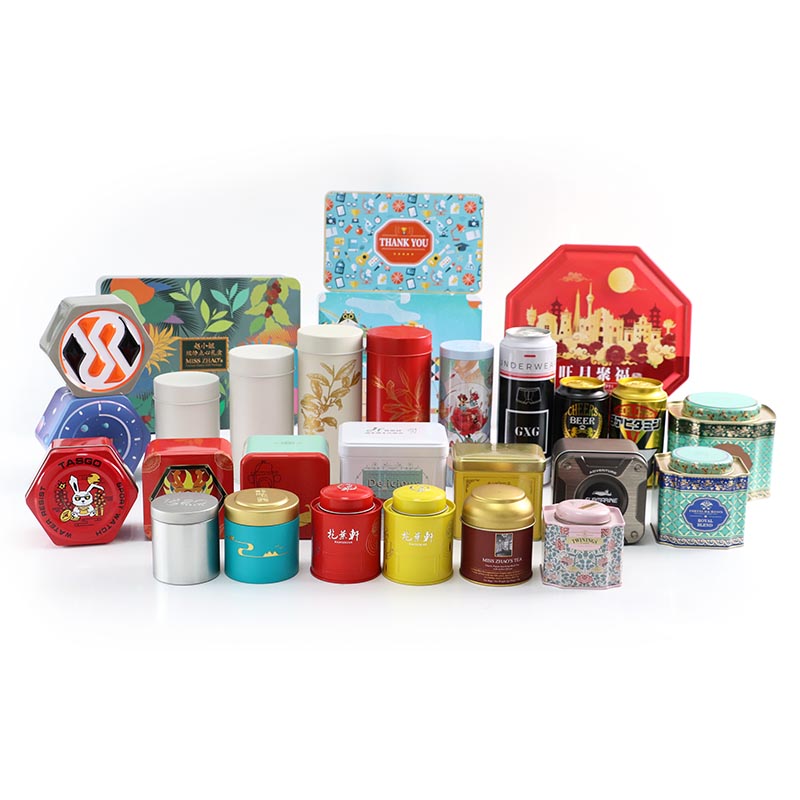
Most snacks and candies have one common enemy: exposure to air, moisture, and unwanted odors. A well-made Metal Tin Box is naturally rigid and offers strong barrier performance compared with many flexible packs, especially when you pair it with an appropriate internal coating and (when needed) an inner bag or liner. That “solid close” feeling is not just satisfying—it signals protection, freshness, and quality.
For aroma-sensitive products like coffee candies, mint, tea sweets, gummies, and flavored nuts, packaging that resists odor transfer matters. A properly specified square mint tin helps keep the product’s aroma where it belongs and helps keep outside odors out. That makes tins especially popular for premium assortments and seasonal gifting.
Premium perception that increases repeat purchases
Snack and candy brands compete in crowded aisles and crowded online marketplaces. A custom Metal Tin Box gives you a billboard-like surface area for brand storytelling, color control, and high-end finishes that make people feel they are buying something special. When the packaging becomes collectible or reusable, it also becomes long-term advertising that stays in homes and offices.
From a consumer psychology standpoint, the “after-use value” of tins is powerful. Many people keep tins for desk storage, tea bags, sewing kits, or small tools, and your brand remains visible for months or years. This is one reason tins are often chosen for holiday products, corporate gifts, and limited editions.
Practical advantages for logistics and display
Rigid packaging can reduce crushing damage during distribution when designed correctly. A Metal Tin Box stacks well, protects fragile candy pieces, and holds its shape under normal handling. For e-commerce, tins can help reduce returns caused by presentation damage, especially for gift sets that must arrive looking perfect.
Tins also support neat shelf facings and can look premium even under bright retail lighting. With the right shape and size, they can be “front-of-shelf” ready, and some formats can even be designed to hang or to work in countertop display trays. This flexibility helps brands design packaging that sells in multiple channels without reinventing the product each time.
What “Food-Grade” Means for a Metal Tin Box
Food contact is about the whole system, not one label
When buyers say “food-grade,” they often mean “safe for food contact.” In packaging reality, it’s not only the base metal that matters—coatings, inks, varnishes, adhesives, and even how the tin is manufactured can affect compliance. A food-grade Metal Tin Box is the result of correct material selection plus process control and documentation, not a single marketing claim.
Because global snack and candy brands sell across borders, many projects aim for a compliance strategy that aligns with major markets. If you are selling in the United States, it is common to reference FDA food-contact expectations and good manufacturing practices. If you are selling into Europe, you typically pay close attention to EU food contact material rules and migration safety concepts.
Common regulatory references used by global brands
Different countries handle food-contact rules differently, and your exact requirements depend on product type, storage time, and distribution conditions. However, many international projects reference these resources because they are widely recognized and provide clear frameworks:
- The U.S. FDA overview of Packaging & Food Contact Substances (FCS) is a helpful starting point for understanding how indirect food additives and food-contact materials are evaluated: FDA – Packaging & Food Contact Substances.
- In the EU, Regulation (EC) No 1935/2004 sets general principles for materials intended to come into contact with food: EUR-Lex – Regulation (EC) No 1935/2004.
- The EU also emphasizes manufacturing control via Good Manufacturing Practice (GMP) for food contact materials (commonly referenced as Regulation (EC) No 2023/2006): EUR-Lex – Regulation (EC) No 2023/2006.
These links are not “one-size-fits-all certification pages,” but they are authoritative references that help buyers and packaging teams align expectations. A capable supplier should be able to discuss how materials, coatings, and production controls relate to the market you are selling into.
Tinplate vs aluminum and why coatings matter
Most snack and candy tins are made from tinplate (tin-coated steel) or aluminum, depending on the product design and cost target. Both can be suitable for food packaging when the correct coating system is used and when manufacturing is controlled. The internal coating is especially important if the food can interact with metal surfaces, or if you need a specific taste and odor profile.
Candy can be surprisingly demanding because some products contain acids, oils, or flavor compounds that may interact with surfaces over time. For this reason, many Metal Tin Box designs include a food-contact coating that helps protect both the product and the package. Your coating choice should be considered together with your product type, storage conditions, and shelf-life goal.
Choosing the Right Metal Tin Box Style for Snacks and Candy
Popular tin formats for snack and candy brands
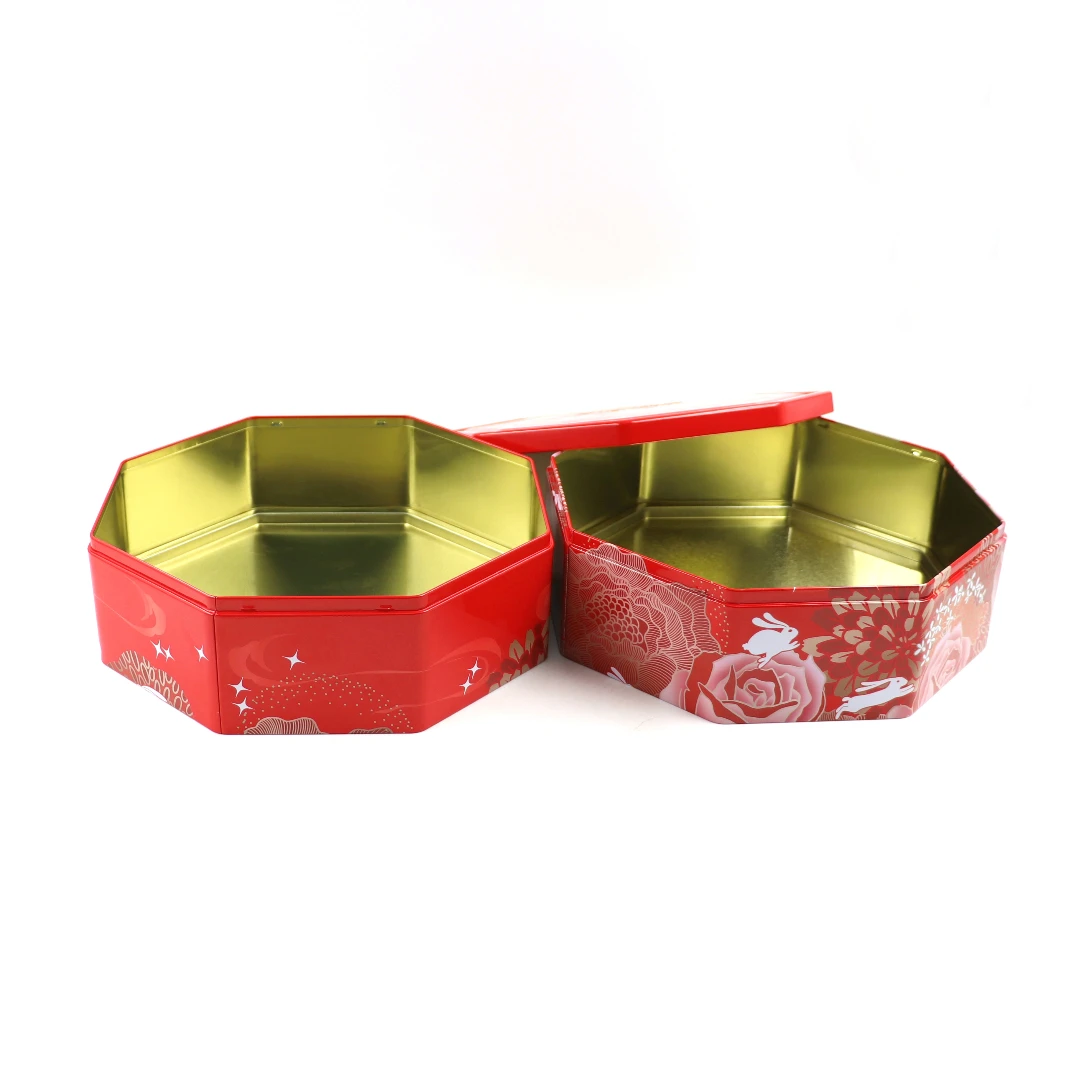
Different products want different opening experiences, filling methods, and visual presence. A Metal Tin Box can be round, rectangular, square, heart-shaped, oval, or custom-shaped to match your brand. The “right” format is usually a balance between marketing appeal and how easily your team can fill, seal, pack, and ship the product.
For candy assortments, rectangle tins with a slip lid or hinged lid are common because they offer a premium gift look and good stacking. For mints, small pocket tins are popular because they are convenient and collectible, and they can support frequent reorders with seasonal designs. For mixed snacks, deeper tins can add perceived value because the customer expects “more inside” when the tin has height and weight.
Lid choices and how they affect freshness and user experience
The lid style affects both usability and your product protection plan. Slip lids are classic and cost-effective, and they can be engineered for a satisfying fit when tolerances are controlled. Hinged tins create a premium unboxing feel and can improve convenience for repeated opening, which is ideal for mints, gummies, or office snacks.
If your snack requires an additional barrier, the tin can be paired with an inner bag, liner, or sealed pouch inside the tin. In that setup, the Metal Tin Box becomes the protective outer shell and branding surface, while the inner pack handles the primary barrier. This approach is extremely common for candies and snacks with long shelf-life requirements.
Size planning that supports both marketing and production
In snack and candy packaging, size is not only about volume—it is also about visual proportion, cost per unit, and how the product sits inside the tin. A tin that is “too large” can create a negative unboxing experience if the fill looks small, even if the net weight is correct. A tin that is “too tight” can damage fragile candies during filling or create scuffing issues in production.
A practical way to choose size is to design around the product arrangement you want customers to see. For example, do you want a single layer of wrapped chocolates that looks neat and premium, or do you want a multi-layer structure with dividers and trays? A professional Metal Tin Box supplier can help you evaluate internal height, corner radii, and nesting depth so your packaging looks intentional and runs smoothly on the line.
Making a Metal Tin Box Truly Food-Ready: Coatings, Liners, and Inner Packs
When an inner bag or liner is the smartest solution
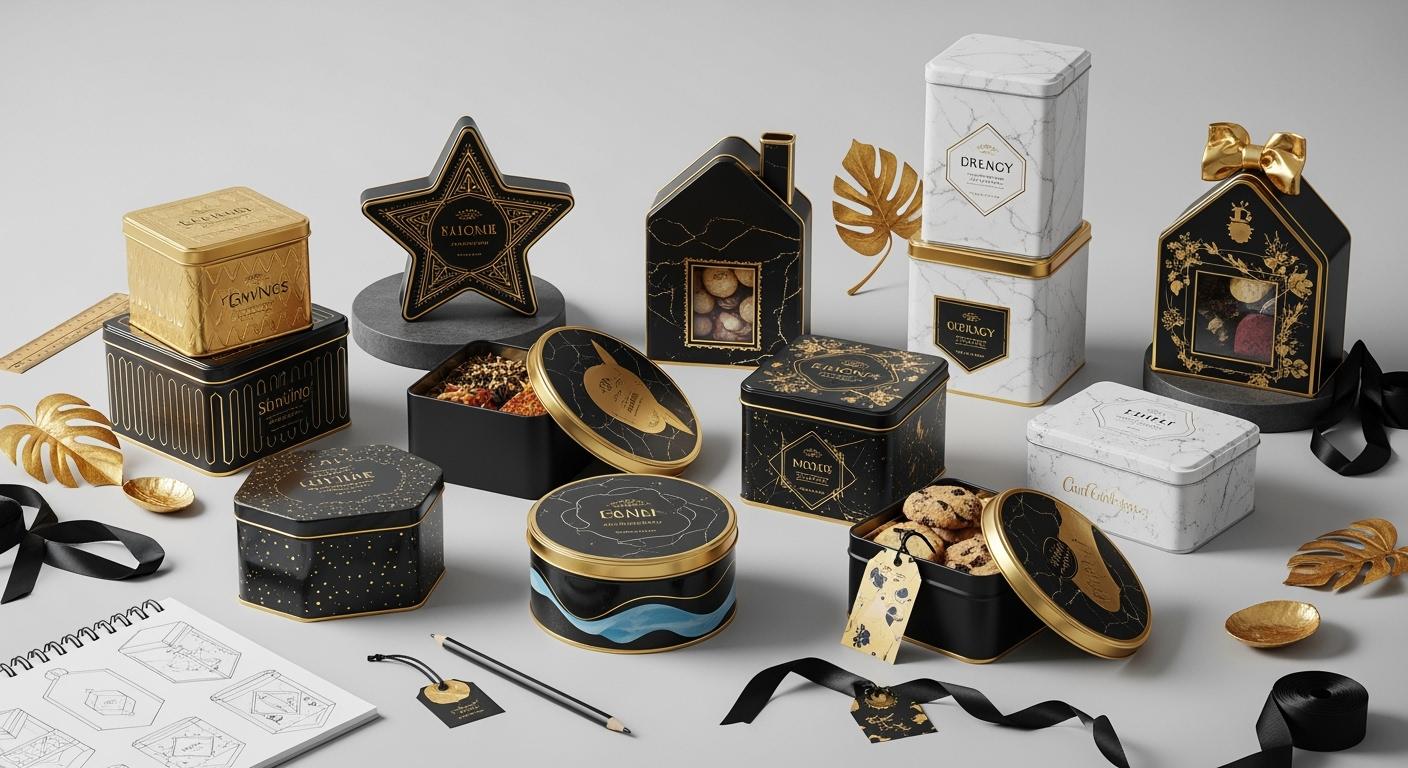
Not every snack or candy should touch the tin surface directly. If your product has high oil content, strong aromas, or long storage times, an inner bag can be a practical and cost-effective way to manage barrier requirements. In this configuration, the Metal Tin Box provides structure, protection, and branding, while the inner pack provides the main moisture/oxygen barrier.
This approach is also helpful when you want to use the same tin globally but change the inner pack to meet local labeling or regulatory needs. Your tin becomes the premium “gift shell,” and the inner pack becomes the compliant food-contact layer. Many brands prefer this method because it reduces risk and simplifies long-term SKU management.
Coating selection and why “taste neutrality” matters
For certain candies, taste and aroma are extremely sensitive. A coating system must be chosen not only for “food contact suitability” but also for sensory neutrality and long-term stability. If a coating is poorly specified or poorly cured, it can create unwanted odor notes that are noticeable in mint, tea, and delicate sugar-based products.
That’s why professional tin projects consider coating type, application quality, and curing control as part of the food-grade plan. A reliable Metal Tin Box supplier will treat coating as an engineering decision, not a guess. If your product is aroma-sensitive, it is wise to run a pilot sample test with real product before mass production.
Seal strategy: “rigid outside, barrier inside”
Many snack and candy brands use a “dual protection” concept. The Metal Tin Box provides rigid protection against crushing, while the inner packaging provides the main barrier and tamper evidence. This combination is especially effective for e-commerce, gifting, and subscription boxes where customers expect a premium exterior and a hygienic interior.
If you need tamper evidence, it can be provided through inner seals, shrink bands, or sealed pouches inside the tin. Your exact method depends on how the product is packed and how you want customers to open it. The goal is to protect the brand experience while still meeting safety and freshness expectations.
Decoration and Branding That Turns a Metal Tin Box into a Sales Tool
Printing methods and finishes that fit snack and candy positioning
Tins are powerful because they are both packaging and product display. Offset printing is common for high-volume projects because it supports strong color control and cost efficiency at scale. Digital printing can be useful for limited editions, seasonal designs, and multi-SKU programs where you need flexibility.
Finish options like matte varnish, gloss varnish, soft-touch feel, spot UV, embossing, and debossing can transform a simple Metal Tin Box into a premium retail object. The best finish strategy is usually aligned to your brand story: playful, luxury, nostalgic, minimalist, or gift-focused. When decoration choices are consistent, your packaging becomes recognizable even from a distance.
Food-safety considerations for inks and varnishes
In a food-grade project, decoration is not only about visuals. Inks, varnishes, and printing processes must be controlled so that your Metal Tin Box can meet the expectations of food packaging buyers. Brands often require clear documentation that materials are suitable for the intended use and that manufacturing follows controlled processes.
A good supplier will be comfortable discussing how printing layers are applied, how curing is controlled, and how quality checks reduce the risk of odor or contamination. If your product is highly sensitive, you can also specify extra cleanliness controls during packing. The point is to ensure that branding never compromises the food-ready goal.
Smart branding details that increase engagement
Snacks and candy benefit from storytelling and repeat purchase triggers. QR codes can be used for traceability, promotions, seasonal campaigns, or loyalty programs, and tins provide a stable surface that scans well. Limited edition artwork can encourage collecting, which is especially effective for mints, chocolates, and gift assortments.
You can also design the tin to “feel” like your product category. Rounded corners can feel friendly and approachable, while sharp, clean edges can feel modern and premium. Even the sound of opening the lid can become part of the brand identity when the tin is engineered with care.
Quality Assurance for Food-Grade Metal Tin Box Production
What professional buyers typically expect to see
Food brands and importers often look for a quality system that is stable and documented. Many packaging suppliers align their factory management with recognized quality frameworks such as ISO 9001, because it helps structure inspection, corrective actions, and traceability: ISO – ISO 9001 Quality management systems. For food-related operations, brands may also reference food safety management concepts like ISO 22000: ISO – ISO 22000 Food safety management.
For packaging-specific audits, some buyers reference the BRCGS packaging standard, especially in higher-compliance supply chains: BRCGS – Packaging Materials. These references do not replace your product-specific requirements, but they show what “serious” buyers tend to look for when selecting a Metal Tin Box supplier.
Typical inspection points for snack and candy tins
A strong QA plan focuses on both appearance and function. For snack and candy tins, this usually includes checks for sharp edges, coating defects, printing consistency, odor control, lid fit, and deformation resistance. If the tin includes inserts, dividers, or special closures, those features should be checked repeatedly throughout production, not only at the start.
It is also important to define acceptance standards before mass production. If your brand has a strict scratch tolerance or color delta requirement, you want that written into the project standards early. That way, your Metal Tin Box arrives aligned to your brand’s visual expectations, not only its structural needs.
Migration and safety documentation as part of the project
For international buyers, documentation can be as important as the physical product. Depending on your market and product, you may request declarations of compliance, material specifications, and relevant test reports. The goal is to show that your Metal Tin Box project has been managed with food-contact awareness, not treated as general-purpose storage packaging.
This is also why it helps to work with a supplier who understands global export packaging requirements. A professional factory will know how to prepare the documents your customs broker, retailer, or brand QA team may request. When documentation is clean and consistent, you reduce delays and minimize the risk of shipment holds.
Sustainability and the “Keep It” Value of a Metal Tin Box
Recyclability and circular use fit modern snack branding
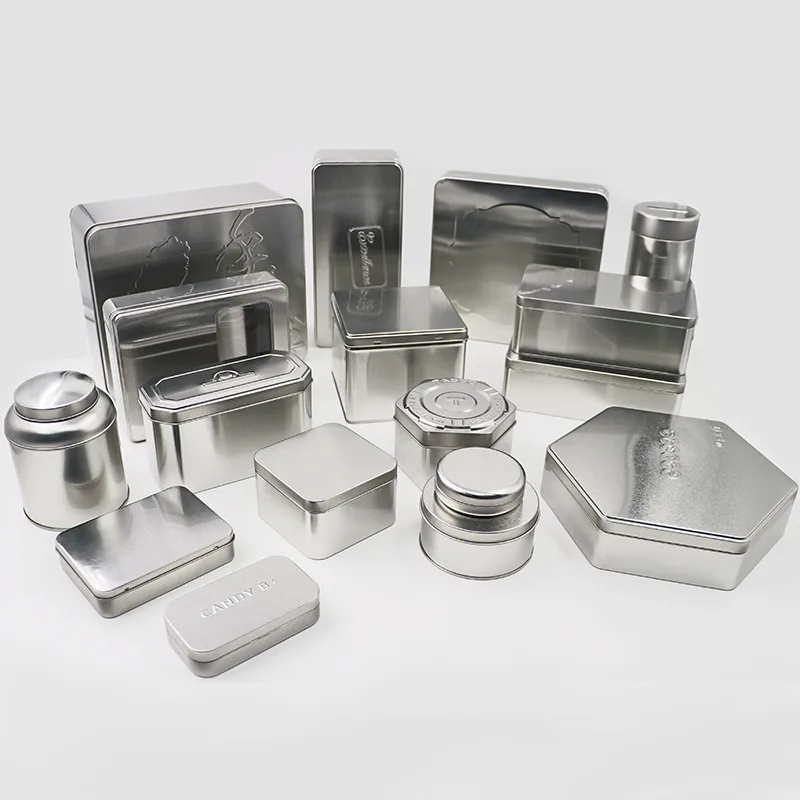
Many snack and candy buyers now care about packaging waste and long-term impact. Metal packaging is widely recycled in many markets, and the rigid nature of a Metal Tin Box makes it especially likely to be reused by consumers. That reuse is not just “nice to have”—it can reduce the number of single-use packages a household consumes over time.
If sustainability is part of your brand positioning, tins can support your story in a credible way. A well-designed tin is not disposable-looking, and that alone influences how people treat it after the product is finished. When packaging feels valuable, it is less likely to become immediate trash.
How to design tins for practical sustainability
Sustainability is stronger when it is built into the design rather than added as a slogan. A tin that nests efficiently reduces shipping volume, which can reduce logistics emissions per unit in practical terms. A tin that uses durable finishes and scratch resistance stays attractive longer, which encourages reuse and extends brand visibility.
You can also design your tin to become a functional object after use. For example, a candy tin can become a tea tin, a desk organizer, or a travel storage box when the size and lid structure are chosen wisely. In that way, your Metal Tin Box becomes a “second-life product,” and your brand benefits from ongoing exposure.
Mr.Tin Box Custom Workflow for Snack and Candy Metal Tin Box Projects
Step 1: Define product requirements and brand goals
A successful project starts with clear inputs. What is your snack or candy type, and what is the expected shelf life? Are you selling online, in retail, or both, and what is your target unboxing experience?
When these points are clear, the tin can be engineered correctly from the start. The right Metal Tin Box is the one that meets food-ready expectations while delivering the visual impact your marketing team wants. Good planning also reduces sample rounds, which saves time and cost.
Step 2: Confirm structure, tolerances, and decoration details
After we align on the structure, we move into artwork setup and finish selection. For snack and candy, we pay close attention to lid feel, edge safety, and surface durability because these details strongly affect consumer perception. We also consider how the tin will be packed and shipped to protect the finished surfaces.
This is where many projects win or lose. A tin can look amazing on a screen, but if it scratches easily in cartons or if the lid fit feels inconsistent, the brand experience suffers. Our goal is to deliver a Metal Tin Box that looks premium in real life, not only in mockups.
Step 3: Sampling, validation, and mass production readiness
Sampling is not only for appearance; it’s also for confirmation. We recommend testing samples with real product whenever possible, especially for aroma-sensitive candy or oily snacks. That validation step helps confirm that the packaging system supports freshness and brand expectations.
Once confirmed, we move into stable mass production with controlled inspections. A reliable Metal Tin Box program is built on repeatable processes, not “one good batch.” Consistency is what turns a packaging project into a long-term brand asset.
Frequently Asked Questions About Food-Grade Metal Tin Boxes for Snacks and Candy
Can snacks or candy be placed directly inside the tin?
In many cases, yes, but it depends on the product and the compliance strategy. Some brands place wrapped candy directly in the tin, while others use an inner bag or sealed pouch for extra barrier and tamper evidence. The best solution depends on shelf-life goals, aroma sensitivity, and the market you are selling into.
A careful supplier will discuss your product details before recommending direct contact. A Metal Tin Box can be engineered to support direct contact, but the project should be treated as food packaging from day one, not as a generic storage tin.
What’s the best tin style for mints and small candies?
Pocket-size tins with slip lids or hinged lids are extremely popular for mints. They are easy to carry, highly collectible, and ideal for seasonal graphics and multi-design campaigns. For small candies, shallow rectangular tins can also work well because they stack efficiently and present nicely at retail.
If your goal is high repeat orders, choose a structure that is stable for long-term production. A consistent, well-made Metal Tin Box format helps your procurement team reorder with confidence while giving your marketing team a dependable branding canvas.
How do you balance premium look with cost control?
Cost control is usually achieved through smart standardization. Selecting a proven tin structure, optimizing size for nesting and shipping, and using finishes strategically can make a big difference. A premium look does not always require the most complex structure; often it’s the artwork, varnish, and tactile feel that create the strongest premium impression.
We also recommend matching decoration to your sales channel. For example, a hero SKU may justify embossing and spot UV, while supporting SKUs can use simpler varnish strategies on the same base Metal Tin Box structure.
Final Thoughts: Build a Snack and Candy Brand People Want to Keep
A food-grade Metal Tin Box is more than a container. It is a protective system, a brand storyteller, and a reusable object that keeps your logo in customers’ lives long after the snacks are gone. When the structure, coating, decoration, and QA are aligned, tins become one of the most reliable premium packaging choices for snacks and candy.
If you’re planning a new launch or upgrading your current packaging, Mr.Tin Box can help you develop a Metal Tin Box solution that balances compliance awareness, visual impact, and production efficiency. Share your product type, target size, and market requirements, and we’ll help you move from concept to mass production with confidence.