

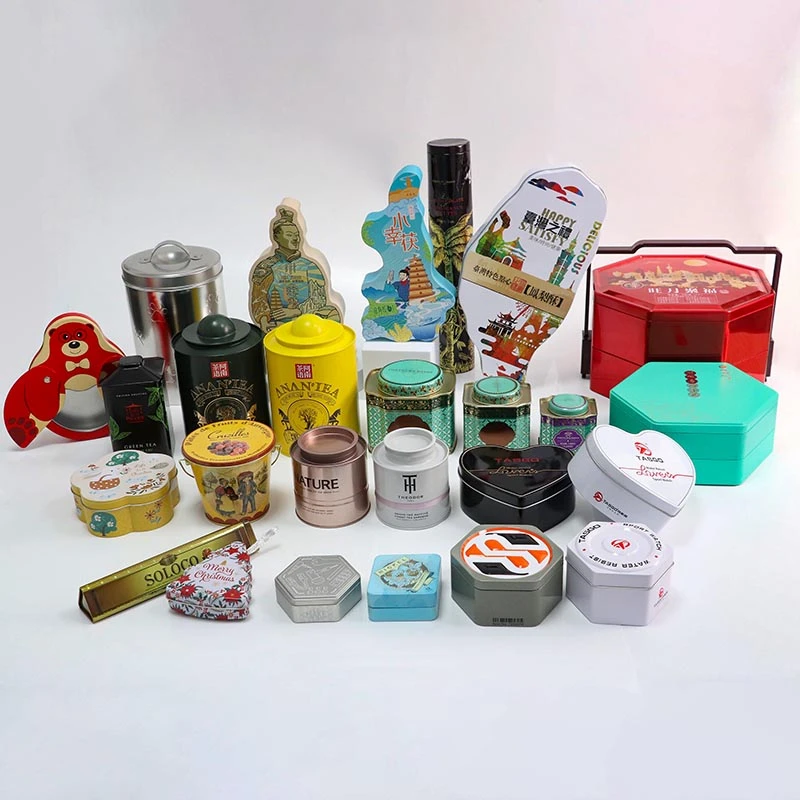

Medical device packaging is never “just a box.” It’s part of a safety system that protects delicate instruments, preserves labeling integrity, supports traceability, and helps your team pass audits with fewer surprises. When the product is high-value, high-risk, or repeatedly handled across global logistics, a Custom Metal Box can be the most dependable layer of protection—built to your device, your workflow, and your regulatory reality.
At MrTinBox, we design and manufacture Custom Metal Box packaging that looks professional, performs in real distribution environments, and stays consistent from prototype to production. Below is a practical, plain-English guide to how a Custom Metal Box fits into medical device packaging—and how to specify one that will hold up in the field.
Table of Contents
What Makes Medical Device Packaging Different
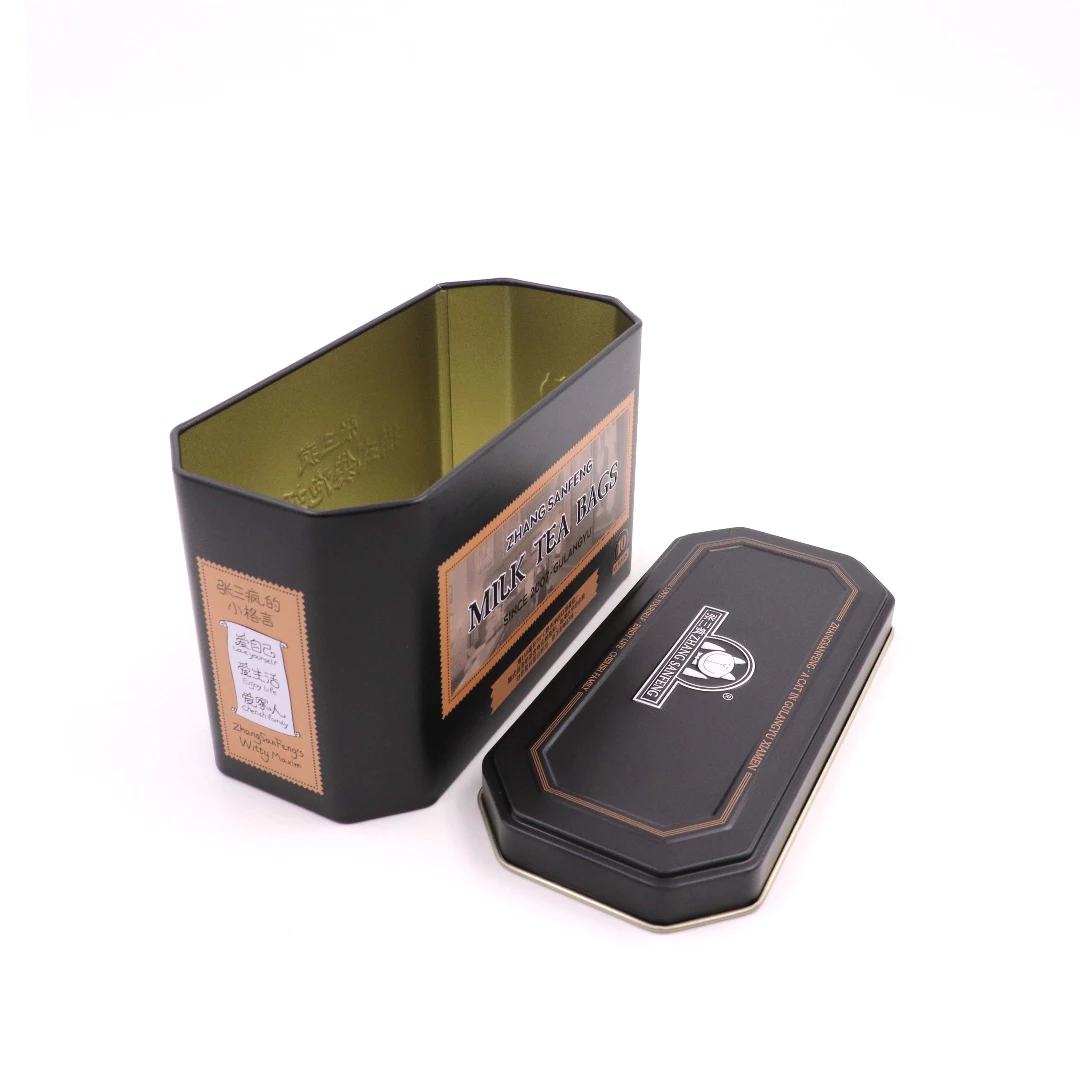
Safety, performance, and “no room for guesswork”
Medical packaging must do more than look clean and premium. It needs to protect the device from damage, prevent mix-ups, and keep critical information readable from factory release to point-of-use. That expectation only increases when the device is expensive, fragile, or shipped through multiple warehouses and carriers.
A Custom Metal Box helps by adding rigid protection and repeatable organization, so your team can reduce damage rates and reduce “human error” risks like missing accessories or incorrect components. That kind of reliability matters when one small failure can trigger a complaint, a return, or a field action.
Standards and regulations shape packaging decisions
Even when you’re not building a sterile barrier, your packaging and labeling are still connected to regulated processes and quality systems. In the U.S., FDA’s quality system rules are transitioning to the Quality Management System Regulation (QMSR), with FDA enforcement beginning February 2, 2026. U.S. Food and Drug Administration
For sterile products, ISO packaging standards are widely used as the framework for designing and validating packaging systems intended to maintain sterility until point of use. ISO 11607-1 and ISO 11607-2 define requirements across materials, sterile barrier systems, packaging systems, and process validation. ISO
Traceability expectations extend to packaging levels
Global markets increasingly emphasize traceability. UDI requirements apply to device labels and packaging levels in both the U.S. and EU, meaning your packaging design must leave space for data carriers (e.g., 1D/2D codes), human-readable text, and durable placement rules. U.S. Food and Drug Administration
A Custom Metal Box can support this by providing stable, flat label zones; durable printing or marking options; and predictable placement for scanning in warehouses, hospitals, and clinical environments.
Where a Custom Metal Box Fits in a Modern Packaging System
Primary vs. protective packaging: be clear about the role
Medical packaging is often described in layers: a sterile barrier (if applicable), protective packaging, and transport packaging. ISO 11607 focuses on packaging systems intended to maintain sterility for terminally sterilized devices. ISO
In many programs, a Custom Metal Box is used as protective packaging (and sometimes as a presentation/organization case), while the sterile barrier is handled by pouches, trays, lids, or wraps. This layered approach lets you keep sterility validation where it belongs while still getting the rugged protection and premium organization that metal provides.
Ideal for kits, loaner sets, and multi-component systems
If your device ships with accessories, cables, calibration tools, consumables, or multiple SKUs in one kit, packaging becomes a logistics problem as much as a marketing one. A Custom Metal Box with engineered compartments can reduce missing-part incidents and speed up receiving and assembly steps.
High-value devices benefit most
Metal packaging is especially valuable when the cost of damage is high—implants, precision instruments, diagnostic components, sensitive optics, or electronics. When one drop can turn into a scrap event, “lightweight” packaging can become very expensive in practice.
Benefits of a Custom Metal Box for Medical Devices
Strong protection with stable geometry
Corrugated and plastic cases can deform, crack, or lose structural strength over time. A Custom Metal Box offers stable geometry that protects critical components, helps maintain internal alignment, and resists stacking loads in warehouses and transit.
This stability also helps with consistent packing procedures. When your packing team can follow the same steps every time—because the box is rigid and repeatable—you reduce variability and rework.
Clean, professional presentation that builds confidence
Medical buyers care about presentation because it signals process control and professionalism. Clean edges, precise fit, and durable surfaces help your packaging look “medical-grade,” even when used repeatedly.
A well-designed Custom Metal Box also supports brand trust. If the unboxing experience is orderly and the device is clearly identified, users feel more confident before they ever touch the product.
Better organization reduces workflow friction
Inserts, trays, and compartments do more than protect. They help users find the right component fast and return parts to the correct position—useful in clinical environments where time and focus are limited.
Material Selection and Surface Engineering
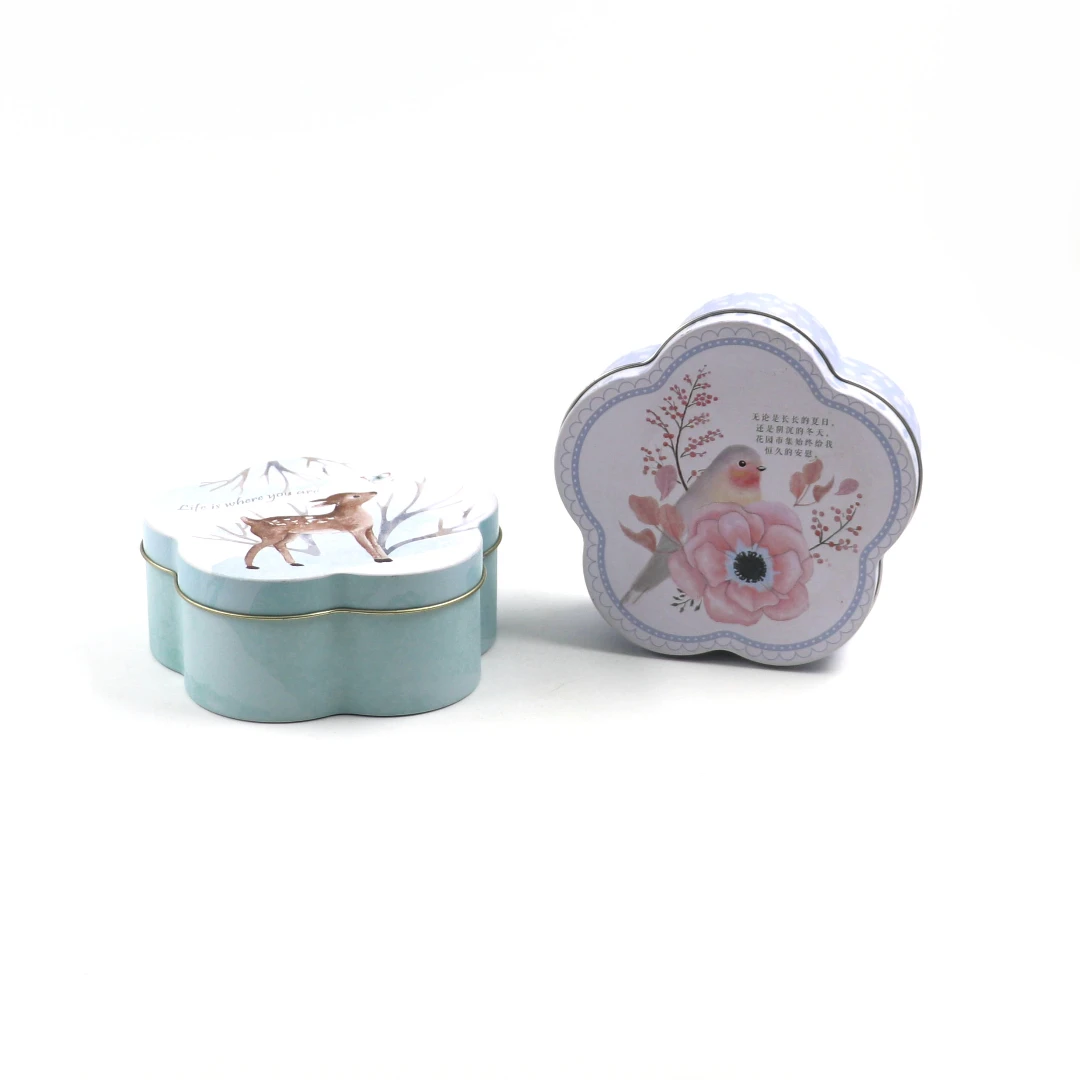
Choosing the right metal for the job
A Custom Metal Box can be produced in several material families, and the best option depends on your use case.
- Tinplate / coated steel is excellent for cost-effective custom shapes, printing, embossing, and rigid structure. It is widely used for branded packaging and durable storage cases.
- Aluminum offers low weight and strong corrosion resistance, and can be anodized for durable finishes.
- Stainless steel is often selected when cleaning chemicals, corrosion resistance, or repeated harsh handling is a concern.
Material decisions should match your environment. If your box might be wiped down with disinfectants, exposed to humidity, or used repeatedly, corrosion resistance and finish durability become key design inputs.
Finishes that match medical expectations
Surface engineering can improve corrosion resistance, cleanability, and appearance. Depending on material and use conditions, common approaches include coating systems, anodizing (for aluminum), and other protective finishes.
If your packaging needs to support labeling and traceability, finish selection also affects label adhesion and readability. Flat, controlled-surface label panels and consistent coating thickness can reduce label lifting, smearing, and scan failures.
Risk-based thinking: compatibility always matters
If any part of your packaging contacts sensitive device surfaces, consider interactions like abrasion, particulate shedding, or chemical transfer. While biocompatibility standards like ISO 10993-1 are focused on medical device materials and biological evaluation, the same mindset—risk-based evaluation of materials and exposure—can help your packaging decisions stay disciplined and audit-ready. ISO
Designing the Interior: Inserts, Fixtures, and Organization
Inserts engineered for protection and clarity
A Custom Metal Box becomes truly “medical-ready” when the interior is designed like a tool—not like a generic container. Options can include foam inserts, formed trays, partitions, and retention features that keep each part in a defined location.
Good insert design reduces damage from vibration and impact, and it also reduces misplacement. When each component has a clear home, operators can visually confirm completeness in seconds.
Latches, hinges, and user ergonomics
Medical users care about one-handed operation, glove-friendly handling, and predictable closure. Hinges, latches, and opening angles should be chosen to match how the kit is used—on benches, carts, in storage rooms, or in field service.
A Custom Metal Box can also include tamper-evidence features (where appropriate) to signal whether the contents were opened. That supports controlled distribution workflows and can reduce disputes in receiving.
Protection for electronics and sensitive assemblies
If your device includes electronics, sensors, or sensitive PCBs, packaging should consider electrostatic discharge (ESD) risk. A Custom Metal Box can be designed to accommodate ESD-safe insert materials and organized routing for cables and connectors, reducing pinch damage and abrasion.
Sterilization, Cleanroom, and Reprocessing Considerations
Know whether the box enters sterile workflows
Some programs use metal cases as transport and storage only, while others may require compatibility with sterilization or reprocessing workflows. If your box is part of a sterile presentation, you’ll want to evaluate how it interacts with sterilization methods and packaging validation requirements.
ISO 11607 standards provide the framework for packaging systems intended to maintain sterility for terminally sterilized devices, including process validation expectations. ISO
Sterilization method compatibility is a design input
Common sterilization processes are governed by well-known ISO standards. Ethylene oxide sterilization is addressed in ISO 11135, radiation sterilization in ISO 11137-1, and moist heat sterilization in ISO 17665. ISO
Even if the Custom Metal Box itself isn’t the sterile barrier, your project may still require that packaging materials, inks, labels, adhesives, and inserts remain stable under the chosen sterilization process. Designing with these constraints early prevents costly redesigns after verification testing.
Cleanability and particulate control
Medical packaging often needs to appear clean and be easy to wipe down. Smooth surfaces, controlled seams, and appropriate finishes help reduce dirt traps and simplify cleaning procedures.
If you ship to environments with strict cleanliness expectations, we can help you choose structures and finishes that better support consistent cleaning and long-term appearance.
Labeling, UDI, and Global Compliance Support
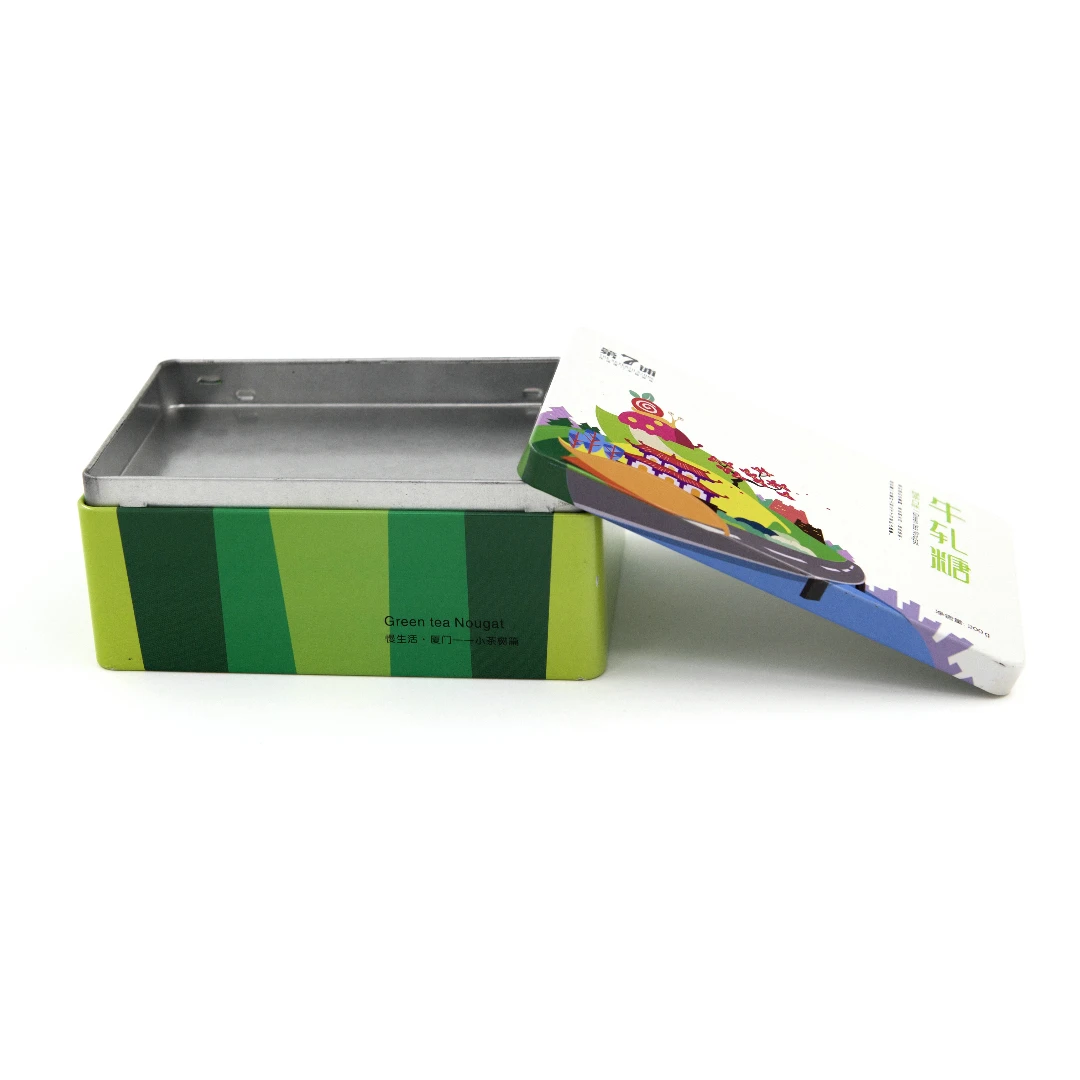
UDI placement needs space and durability
In the U.S., regulations state that device labels and device packages must bear a UDI, with specific requirements outlined in 21 CFR § 801.20. Electronic Code of Federal Regulations
In the EU, guidance also emphasizes placing the UDI carrier on the label and on higher levels of packaging. Public Health
A Custom Metal Box should therefore be designed with dedicated label areas that remain scannable after handling. Flat, protected label zones and abrasion-aware placement can reduce re-labeling and scanning failures.
Symbols and global labeling consistency
Medical device symbols used on devices and packaging are addressed in ISO 15223-1. ISO
Even when your box is “secondary” packaging, it may still carry important identifiers: product name, kit configuration, storage conditions, warnings, or handling instructions. Getting these right supports global distribution and reduces receiving errors at hospitals and distributors.
Durable marking options
Depending on the program, we can support printing and marking approaches suited to your durability needs. The goal is consistent legibility and scan performance across real handling—not just a perfect label on day one.
Verification and Validation: Proving the Box Works
Distribution testing ties packaging performance to real-world hazards
Packaging failures often happen in shipping, not in the lab. That’s why many teams use distribution simulation standards like ASTM D4169, which provides a structured sequence of test hazards representative of distribution environments. ASTM International | ASTM
For parcel delivery systems, ISTA procedures such as ISTA 3A are commonly referenced to evaluate packaged-product performance under typical parcel stresses. ista.org
A Custom Metal Box can be designed with these hazards in mind—especially latch security, insert retention, corner strength, and internal clearance to prevent abrasion.
Shelf life and aging considerations
If your packaging includes sterile barrier components, labels, or materials that age, accelerated aging guidance like ASTM F1980 is often used to support expiration-date claims (with appropriate real-time aging in parallel). ASTM International | ASTM
Even when the metal box itself won’t “age” like plastic, adhesives, foams, and labels can change over time. Thinking about aging early helps you avoid field failures like label lift, foam crumble, or odor/outgassing complaints.
Packaging process validation for sterile systems
ISO 11607-2 covers validation requirements for forming, sealing, and assembly processes in terminally sterilized medical device packaging systems. ISO
FDA also maintains a recognized consensus standards database, including entries and transition details for ISO 11607 recognition. FDA Access Data
Even if your Custom Metal Box is not the sterile barrier, alignment with the customer’s validation story is important. When your packaging vendor understands how validation evidence is built, your development cycle typically runs smoother.
Our Custom Metal Box Development Workflow
Requirements capture that matches real use
We begin with practical questions: How is the device handled, stored, and shipped? Who opens it, where, and how often? What must remain readable, scannable, or tamper-evident?
This process turns “we need a box” into a clear specification. It also prevents common problems like over-tight tolerances, weak hinge choices, or label placement that fails scanning in the warehouse.
Prototyping to de-risk decisions
Prototypes let you confirm fit, retention, opening feel, and labeling zones before committing to full production. For medical device programs, that early confidence reduces change-control stress later, especially when multiple internal stakeholders need to sign off.
A Custom Metal Box prototype also helps downstream testing planning. Your team can validate packing procedures and early transport checks before formal test campaigns.
Production consistency and documentation support
Medical device supply chains value repeatability. We focus on stable materials, controlled processes, and consistent inspection points so what you approve is what you receive in production.
If your internal or external audits require supplier evidence, we can support common documentation expectations around materials, dimensional checks, and production controls in a practical, program-friendly way.
Cost Drivers, MOQs, and Lead-Time Planning for Medical Programs
What typically drives cost in a Custom Metal Box
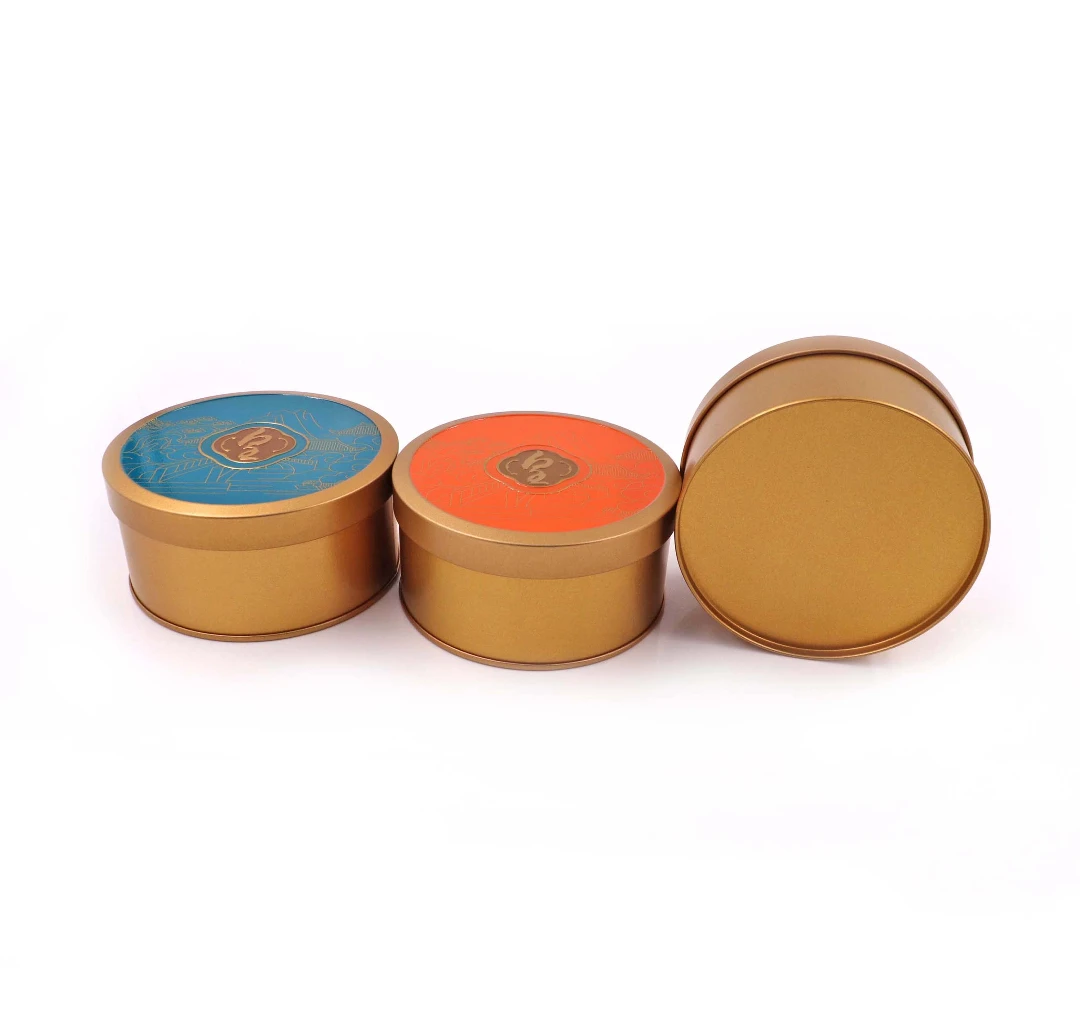
Cost usually comes from a few predictable areas: complexity of structure (hinges, latches, multi-piece assemblies), surface finishes, printing/branding requirements, and interior insert engineering. Tight tolerances and specialized coatings can also increase cost, but they may be justified when the device value is high.
A good approach is to decide where you truly need premium features versus where a simpler structure meets requirements. We can help you balance appearance, performance, and budget without compromising the essentials.
Plan for change control and lifecycle updates
Medical device programs evolve. Packaging must adapt to label changes, accessory updates, regional requirements, or UDI updates.
Designing a Custom Metal Box with controlled “change-friendly” features—like replaceable inserts or modular label areas—can reduce future redesign costs. It also helps you maintain continuity when your device line expands into new configurations.
Reduce risk with realistic timelines
Medical projects often have hard milestones: verification, validation, regulatory submissions, and launch windows. Packaging should be developed early enough that it doesn’t become the schedule bottleneck.
When you treat packaging like an engineered component—rather than an afterthought—you get fewer late surprises and fewer “emergency fixes” that raise total project cost.
Sustainability and End-of-Life Advantages
Reusability can reduce waste dramatically
Metal packaging is inherently durable. Many medical programs use rigid cases repeatedly, which can reduce single-use packaging waste and improve long-term cost control.
This is especially helpful for service tools, calibration kits, and reusable device systems. A Custom Metal Box can become part of a circular workflow instead of disposable trash after one shipment.
Recyclability and brand story
Metal is widely recyclable, and buyers increasingly appreciate packaging decisions that look responsible as well as professional. If sustainability is part of your brand story, a metal box can support that message in a tangible way.
Real-World Applications for Custom Metal Boxes in Medical
Surgical kits and instrument organization
Rigid, organized packaging is ideal when a kit must stay complete and easy to verify. Compartments, labels, and retention features help reduce missing parts and speed up setup.
A Custom Metal Box also protects precision instruments from knocks and vibration. That reduces rework and helps maintain performance in the field.
Implant and orthopedic component protection
Many implant-related components are high-value and damage-sensitive. Rigid protection and controlled interior spacing reduce contact damage and cosmetic defects.
When your product must arrive flawless, the packaging has to be engineered—not improvised. A Custom Metal Box helps you ship with confidence.
Diagnostic, home-care, and field-service devices
For devices used outside a hospital environment, packaging often doubles as storage and protection during repeated handling. A durable metal case can reduce breakage and support a more premium customer experience.
Why Choose MrTinBox for Medical Device Packaging
Packaging engineering + manufacturing under one roof mindset
We don’t treat your packaging like generic “tin box” work. We treat it like a device-adjacent component that must fit, protect, and communicate clearly.
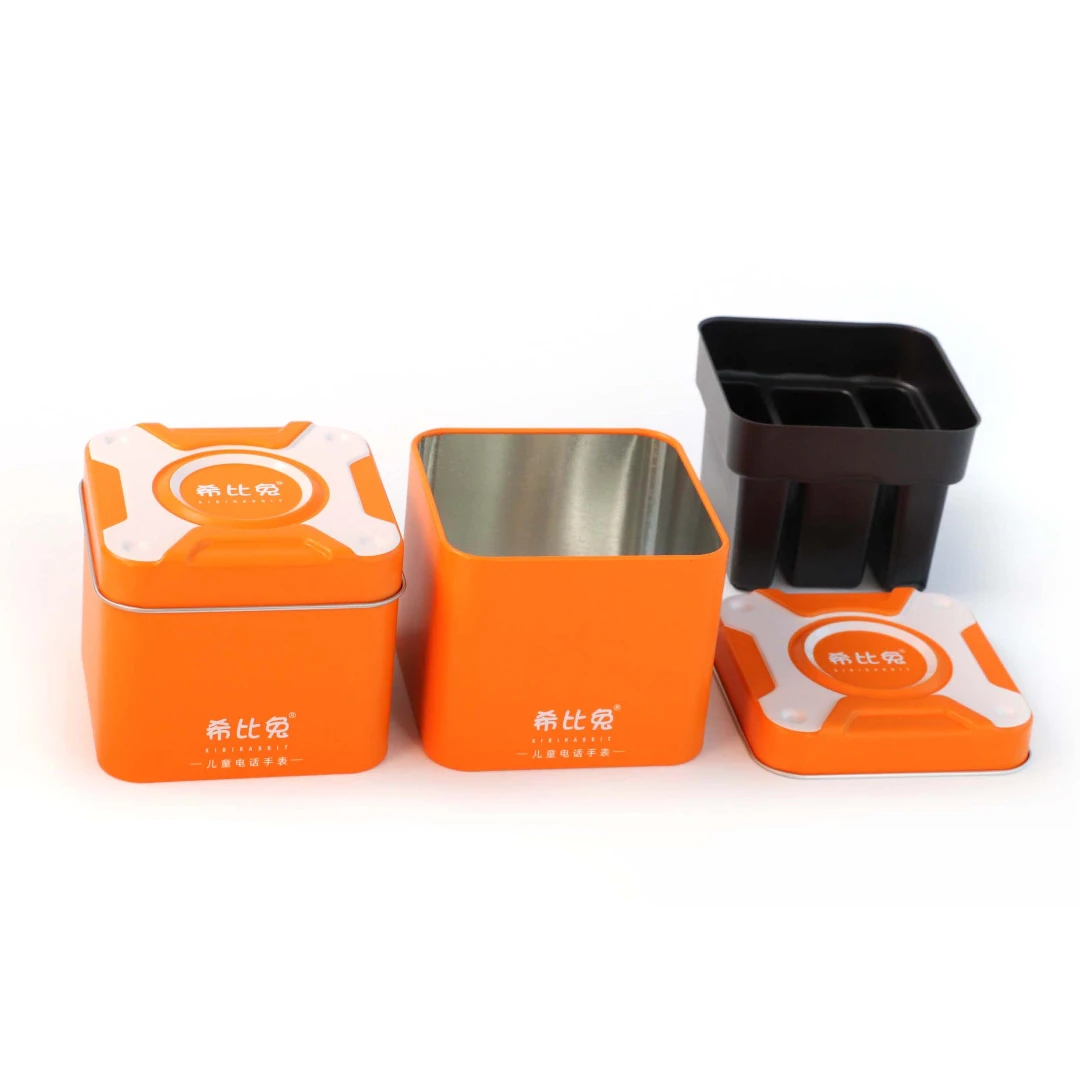
That’s why we focus on structure, interior engineering, and repeatable production. The result is a Custom Metal Box that performs in real distribution—not just in a product photo.
Standards-aware support for smoother development
Medical packaging teams often speak in standards, validation plans, and audit expectations. We understand how frameworks like ISO 11607 tie packaging performance and process validation together, and how quality system expectations are evolving under FDA’s QMSR timeline. ISO
That doesn’t replace your regulatory team, but it does reduce supplier friction. When your packaging supplier “gets it,” projects move faster.
Built for global shipments and real handling
We design for stacking, vibration, drops, and warehouse life. Distribution simulation standards like ASTM D4169 exist for a reason, and we use that logic when selecting structures, closures, and inserts. ASTM International | ASTM
Frequently Asked Questions
Can a Custom Metal Box replace my sterile barrier packaging?
In most terminally sterilized programs, the sterile barrier is usually a validated sterile barrier system, and ISO 11607 addresses requirements intended to maintain sterility until point of use. ISO
A Custom Metal Box is commonly used as protective or presentation packaging outside the sterile barrier, but it can still be engineered to support your overall system and reduce damage and handling risk.
What information should I send to start the design?
Start with device dimensions, weight, fragility points, and a list of all components that must fit inside. Also share how the kit is used (warehouse, clinic, field service), how often it is opened, and what labeling/UDI information must appear on packaging levels. Electronic Code of Federal Regulations
How do we avoid delays during validation and launch?
Lock down the “must-not-change” requirements early: critical dimensions, label zones, closure performance, and insert retention. Then prototype quickly and test packing procedures early, so formal verification (distribution, handling, scanning) is based on proven design choices rather than assumptions.
Ready to Build a Custom Metal Box for Your Medical Device?
If you’re launching a new device, upgrading a kit presentation, or reducing damage returns, we can help you design a Custom Metal Box that fits your device precisely and supports your packaging strategy from prototype through production. Share your device outline, kit BOM, and target markets, and we’ll propose a packaging concept focused on protection, traceability, and a professional medical-grade experience.
If you want, I can also generate an SEO-friendly URL slug + meta description for this article in the same style as your previous MrTinBox pages.


