

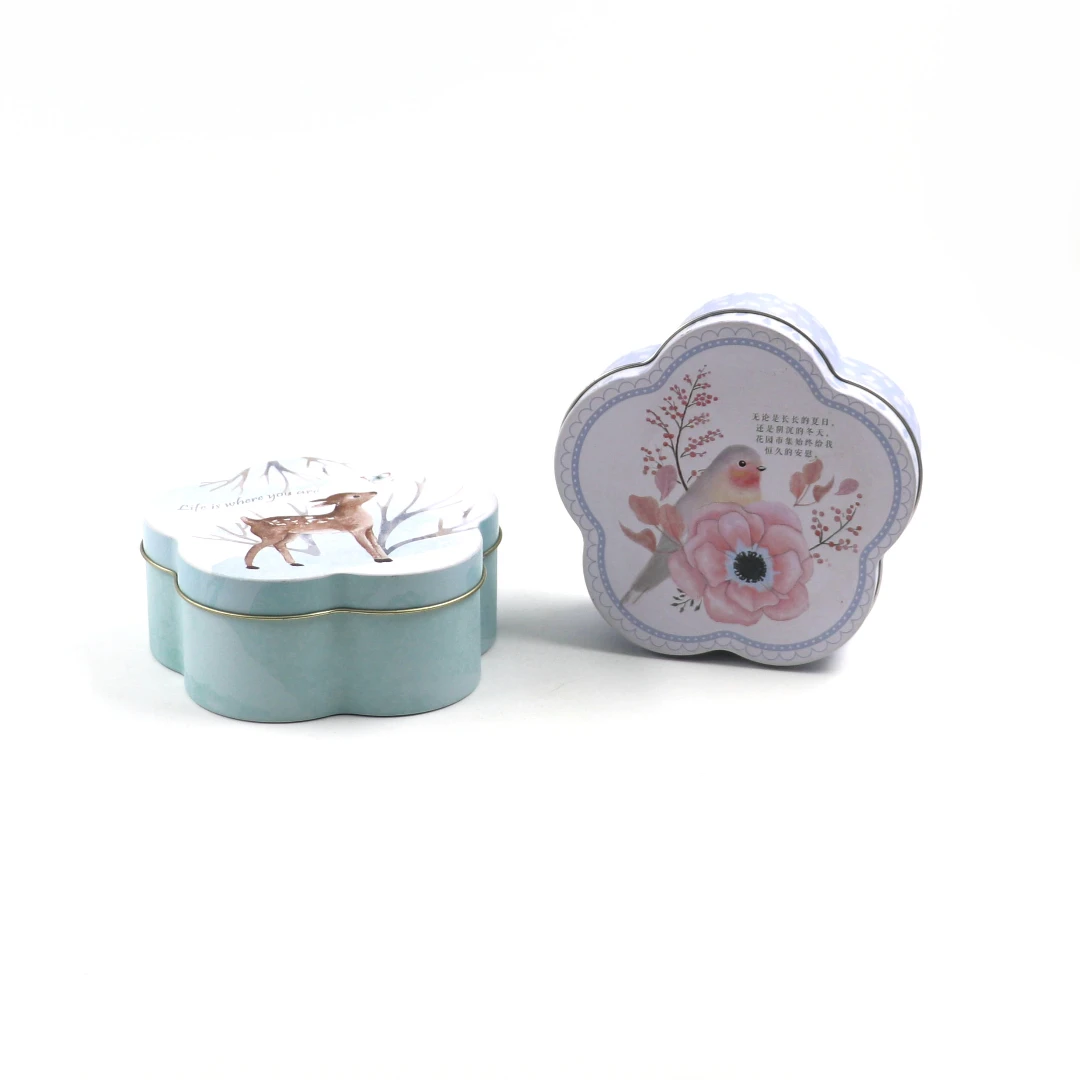

Sustainability has moved from a “nice-to-have” to a real purchasing driver for modern consumers—and a real risk-management priority for brands. Packaging is often the first physical touchpoint a customer has with your product, which means it can either reinforce your values or quietly undermine them. If your brand is looking for a packaging format that feels premium, protects product integrity, and supports circular-economy goals, a Custom Metal Tin Box is one of the most practical options available.
In this guide, you’ll learn how sustainable tin packaging actually works, what design decisions matter most, and how to build a Custom Metal Tin Box program that improves brand perception while reducing waste.
Table of Contents
Why Sustainability in Packaging Is Now a Brand Requirement

Packaging sustainability is no longer only about “recyclable” labels. It’s about designing packaging systems that reduce waste, keep materials in use, and minimize total environmental impact across sourcing, manufacturing, logistics, and end-of-life pathways. The U.S. EPA’s Sustainable Materials Management framing is helpful here because it connects packaging decisions directly to broader environmental and economic outcomes, rather than focusing on disposal alone (EPA sustainable packaging). EPA
Regulations, retailers, and customers are raising the bar
Many brands now face extended producer responsibility (EPR) rules, retailer packaging scorecards, and internal ESG reporting. Even if your company isn’t legally required to meet specific targets yet, your supply chain partners may be, and that pressure quickly flows downstream.
“Recyclable” is not the same as “circular”
A circular approach prioritizes keeping materials at their highest value for as long as possible—through reuse, repair, and then recycling. The Ellen MacArthur Foundation summarizes the circular economy with three principles: eliminate waste and pollution, circulate products and materials, and regenerate nature (circular economy overview). Ellen MacArthur Foundation
Why a Custom Metal Tin Box Fits Circular Packaging Goals
A Custom Metal Tin Box is not just a container—it’s a durable packaging asset. Compared with many single-use formats, metal tins are commonly kept, reused, gifted, collected, and repurposed. That “second life” is a sustainability advantage and a brand advantage.
Metal is inherently high-value in recycling systems
One reason metal performs well is economic: metal scrap has real value, which supports collection and recycling. For beverage packaging specifically, the International Aluminium Institute reported global aluminium can recycling reached about 75% in 2023, outperforming common alternatives in the same study (IAI announcement). International Aluminium Institute
Steel packaging also shows strong real-world recycling outcomes
Steel-for-packaging groups in Europe report that steel packaging “really recycled” (i.e., entering actual recycling operations rather than just being collected) reached 82% in 2023 (Steel for Packaging Europe). Steel for Packaging Europe
Tinplate vs. Aluminum for Sustainable Custom Metal Tin Box Projects
Most Custom Metal Tin Box programs are built using tinplate steel or aluminum, depending on the brand’s performance needs, cost targets, and decoration goals. Sustainability is less about choosing a “perfect” material and more about choosing the right material and designing it well.
Tinplate (steel) tins: strength, structure, and premium feel
Tinplate offers excellent rigidity, forming performance, and a satisfying “premium weight” that many brands want for gifting and retail impact. Tinplate can also handle embossing and complex shapes while staying stable in shipping and stacking.
Europe-wide recycling data has shown steel packaging recycling rates around the mid-80% range historically (e.g., 84% across Europe for 2019 in an industry briefing), which aligns with the idea that steel is widely recovered where systems are mature (Apeal/industry PDF). EU Circular Economy Platform
Aluminum tins: lightweighting and corrosion resistance
Aluminum can reduce shipping emissions per unit due to lower weight, and it is well known for strong recyclability performance in many markets. When your distribution is distance-heavy (e-commerce, cross-border, or multi-warehouse), lightweighting can become a meaningful lever—especially when paired with durable reuse.
The key sustainability point: design drives outcomes
Material choice matters, but design decisions often matter more: mono-material construction, minimal mixed components, easy disassembly, and finishes that don’t interfere with recycling streams. Your supplier should help you design for both brand impact and end-of-life realities.
Designing a Custom Metal Tin Box for Reuse First, Recycling Second

The most sustainable packaging is packaging that doesn’t become waste quickly. A Custom Metal Tin Box can be designed to feel like a keepsake—something customers want to keep on a desk, in a kitchen, or in a workshop.
Build “secondary use” into the structure
A tin that becomes storage is a tin that stays in use. Consider structural features that encourage reuse: smooth interior corners for cleaning, robust hinges, comfortable hand-feel edges, and lids that open/close with a satisfying “fit.”
Create a reuse story the customer understands
Don’t hide the sustainability value. Add small cues like “Keep Me” messaging, reuse icons, or simple suggestions (“Use this tin to store tea bags, cables, spices, or craft tools”). Reuse works best when it’s obvious and effortless.
Avoid overcomplicated mixed materials
If you add windows, magnets, thick plastic inserts, or complex glued components, you may reduce recyclability or increase disassembly friction. If mixed materials are needed for premium presentation, design them to be removable without tools.
Low-Impact Decoration: Printing, Coatings, and Finishes That Make Sense
Decoration is where brands win attention, but it’s also where sustainability can quietly fall apart. The goal is to achieve premium shelf presence without turning a recyclable tin into a “hard-to-process” composite.
Smart printing choices: strong design, fewer layers
High-quality lithographic printing can deliver premium visuals without requiring extra lamination or heavy secondary labels. Using a well-controlled color process also improves batch consistency and reduces scrap.
Embossing and debossing as “ink-free premium”
If you want a luxury effect without adding more ink coverage, embossing or debossing is a great option. A raised logo or tactile pattern increases perceived value and supports brand recognition even when the tin is reused years later.
Choose finishes that support durability
A durable finish extends the life of the tin and reduces the chance customers discard it early due to scratches or corrosion. In sustainability terms, durability is impact reduction—because the “per use” footprint drops every time the tin is reused.
Manufacturing Sustainability: What Brands Should Ask Their Tin Box Supplier
A sustainable Custom Metal Tin Box isn’t only about the finished product. Your supply chain decisions—energy, yield, quality controls, and waste handling—shape the real footprint.
Reduce scrap with better engineering upfront
Complex shapes, tight tolerances, and novelty mechanisms can increase scrap rate if the tooling and process control aren’t mature. Sampling and structural verification early prevents expensive rework later and reduces wasted material.
Optimize weight without compromising strength
Lightweighting isn’t only for aluminum. Tinplate thickness and structural ribs can be engineered to reduce material usage while maintaining crush resistance and stacking performance.
Focus on quality consistency to prevent “waste by returns”
For brands selling online, packaging defects cause returns, re-shipping, and product waste. Strong QC for lid fit, hinge alignment, print adhesion, and surface finish can be as important to sustainability as recyclability claims.
How to Communicate Sustainability Claims Without Greenwashing

Customers are more skeptical than ever, and regulators are watching sustainability claims closely. The safest strategy is to make claims you can support with clear logic and credible references.
Use credible frameworks and language
Instead of vague wording like “eco-friendly,” explain why your Custom Metal Tin Box is a better option: durable reuse potential, high-value metal recycling, and reduced single-use waste.
Reference recognized sustainability concepts
Circular economy language is widely understood and provides a strong narrative structure. For example, the “circulate products and materials” principle helps brands explain why reuse and recycling are not competing goals, but sequential steps (EMF principle explanation). Ellen MacArthur Foundation
Back up general sustainability benefits with authoritative sources
The EPA summarizes how recycling reduces waste sent to landfills/incinerators and can conserve resources and energy—useful as general support when explaining your brand’s packaging direction (EPA recycling basics). EPA
Measuring Impact: How Brands Evaluate Sustainable Packaging Decisions
If you want to move beyond marketing claims, you’ll eventually want measurement. That doesn’t mean every brand needs a full LCA on day one, but it does mean you should build a realistic evaluation approach.
Start with practical KPIs your team can track
Good starting metrics include packaging weight per unit, damage/return rates, reuse engagement (if you run campaigns), and recycled content availability. You can also track packaging-to-product ratio and shipping cube efficiency.
Consider Life Cycle Assessment for high-volume programs
For large programs, a Life Cycle Assessment (LCA) can help avoid unintended consequences (for example, switching to a lighter format that increases damage rates). LCA studies typically align with ISO standards (ISO 14040/44), and recent research continues to examine how consistently packaging LCAs follow these standards across the literature (LCA meta-analysis). ScienceDirect
Remember: reuse changes the math dramatically
A Custom Metal Tin Box that is reused many times can outperform single-use packaging even if the initial manufacturing footprint is higher. The key is designing a tin people want to keep and ensuring it survives real-world use.
Brand Use Cases Where Sustainable Custom Metal Tin Box Packaging Performs Best
A Custom Metal Tin Box is especially effective where brand experience and perceived value matter. In many categories, it also helps differentiate premium positioning without relying on extra outer packaging.
Premium food and confectionery
Tins protect product freshness, resist crushing, and create a gift-ready unboxing experience. They also reduce the need for secondary rigid boxes in many retail displays.
Coffee, tea, and wellness products
A well-sealed tin protects aroma and reduces moisture risk. After the product is finished, the tin becomes a kitchen storage container—one of the easiest reuse pathways to encourage.
Cosmetics, candles, and personal care
Metal tins can feel minimalist and modern while still premium. With the right coating and fit, they also handle repeated open/close cycles better than many paper-based formats.
Corporate gifting and seasonal campaigns
When a brand wants customers to remember them for months, not minutes, a durable tin is a powerful retention tool. The tin becomes a “brand object,” not just packaging.
How MrTinBox Helps Brands Build a Sustainable Custom Metal Tin Box Program

Sustainable packaging works best when design, engineering, and manufacturing are aligned from the beginning. At MrTinBox, we support brands with Custom Metal Tin Box solutions that balance appearance, performance, and circularity goals—so you don’t have to choose between premium packaging and responsible packaging.
Collaborative structure design that protects product and reduces waste
We help brands match structure to application: stack strength, closure feel, reusability, and shipping stability. Better structure reduces damage, lowers returns, and improves the overall sustainability outcome.
Decoration built for shelf impact and long-term reuse
Premium printing, embossing/debossing, and durable finishes can create a tin customers keep. When the tin stays in use, your brand stays visible—and the environmental impact per use keeps dropping.
Brand-friendly sustainability storytelling
We can help you translate technical sustainability strengths into customer-friendly language that avoids greenwashing. When you reference credible sources (like the EPA’s sustainable materials framing or circular economy principles), your messaging becomes more trustworthy and easier to defend. EPA
Ready to Create Sustainable Custom Metal Tin Box Packaging That Customers Keep?
If you want packaging that looks premium, ships reliably, and supports a more circular brand story, a Custom Metal Tin Box is a smart next step. Share your product type, size idea, target market, and design direction, and we’ll help you develop a tin packaging solution that performs in the real world—and stays in use long after unboxing.
If you want, I can also generate a WordPress-ready version of this article (with clean HTML headings and CTA blocks) while keeping the same structure and 2000+ word length.
FAQ
What is sustainable packaging?
Sustainable packaging is all about creating packaging that helps protect our environment. It involves using materials and designs that reduce waste and pollution and are good for recycling. When brands choose sustainable packaging, they aim to reduce their impact on the planet while still delivering high-quality products.
Why should my brand use a Custom Metal Tin Box?
A Custom Metal Tin Box can enhance your product’s appeal while supporting sustainability. These tins are sturdy and reusable, making them great for keeping your items safe. Plus, metal is valuable in recycling, which helps reduce waste and encourages customers to use the packaging multiple times.
What materials are used for Custom Metal Tin Boxes?
There are primarily two materials used: tinplate (steel) and aluminum. Tinplate is strong, giving a premium feel, while aluminum is lightweight and corrosion-resistant. Both materials are recyclable and can help keep waste down, aligning with sustainable goals.
How can we encourage customers to reuse metal tins?
To encourage reuse, you can design tins that are easy to clean and look attractive. Adding messages like ‘Keep Me!’ or suggestions on what to store inside can help customers see the value in keeping the tins for other uses, like storage for craft supplies or kitchen items.
What does a circular economy mean?
A circular economy is a system aimed at reducing waste by reusing materials continuously. Instead of just throwing things away, it encourages repairing, recycling, and repurposing. This helps to conserve resources and minimize environmental harm.
Are Custom Metal Tin Boxes expensive?
The cost of a Custom Metal Tin Box can vary depending on size, design, and materials. However, investing in these tins often leads to a higher perceived value, which can attract customers and justify the cost in the long run.
How can we make our packaging more environmentally friendly?
You can make packaging more environmentally friendly by using materials that are recyclable, designing for reuse, and minimizing waste during production. Working with suppliers who prioritize sustainability is also key to ensuring your packaging is eco-friendly.
What is greenwashing?
Greenwashing is when a company pretends to be environmentally friendly to appear good to customers, without actually taking real sustainable actions. It’s important for brands to genuinely commit to sustainability rather than just claim it for marketing purposes.
How do I measure the impact of my sustainable packaging?
To measure the impact, you can track metrics such as the weight of packaging per product, return rates due to packaging defects, and how often customers reuse the packaging. These indicators can help evaluate how effective your sustainable packaging is.
What should I look for in a sustainable tin box supplier?
When choosing a supplier for sustainable tin boxes, ensure they have practices that minimize environmental impact, use recycled materials, focus on reducing waste, and provide clear communication about their sustainability efforts and certifications.


